
Quick answer: probably yes
Not every roof is identical — but most UK homes and businesses can go solar with the right design. The key is simple: usable roof space + decent daylight + a system sized to your usage. We’ll check it all for you and give you a clear, fixed quote with zero pressure.
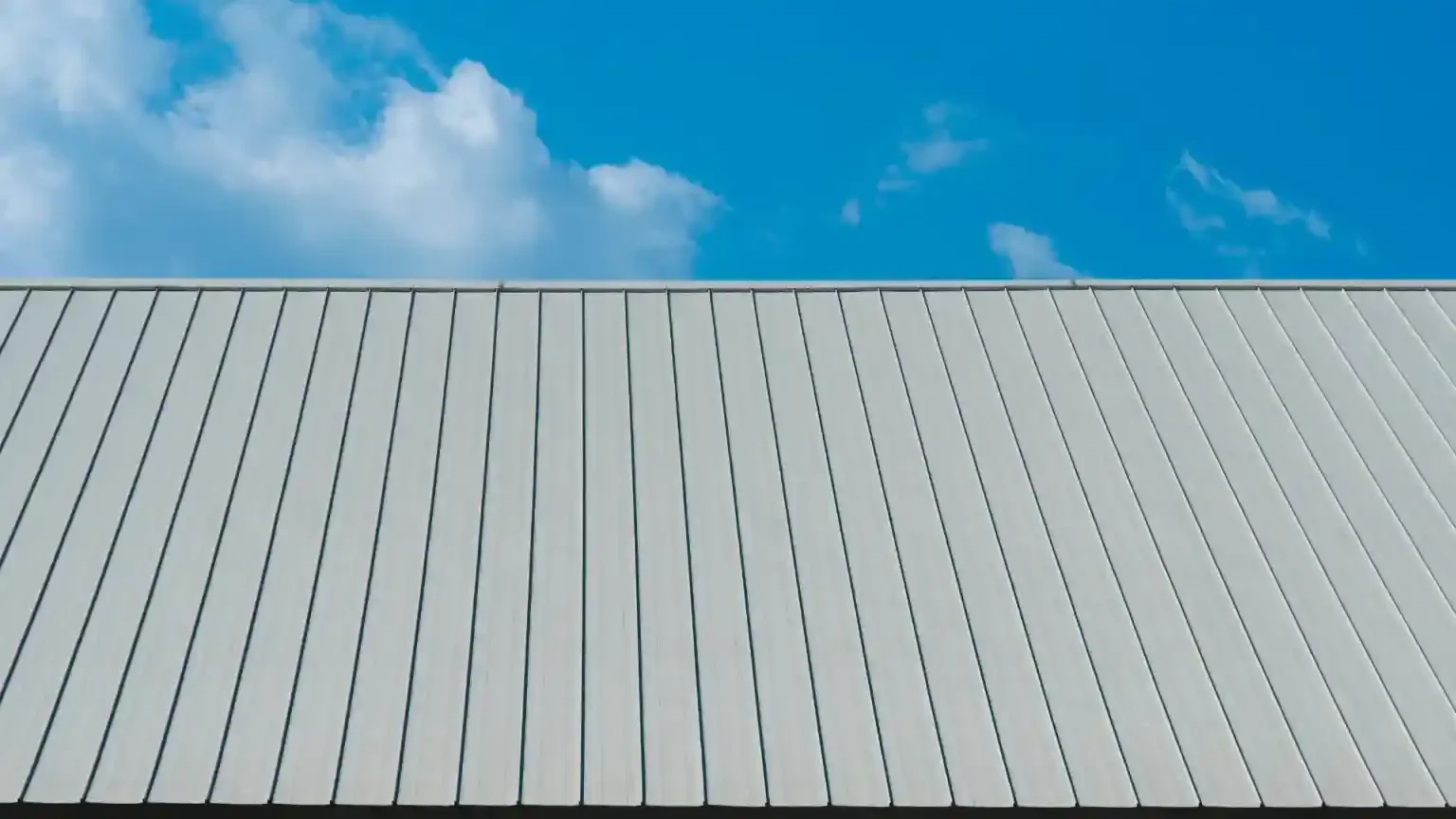
South-facing is great, but it’s not the only option. East/west roofs can perform brilliantly too — especially when we split arrays to catch morning and afternoon generation. Flat roofs also work well using low-profile mounting.
If you’re unsure, that’s normal. The point of the quote is we tell you what will work, what won’t, and what it saves — before you commit to anything.
1) Direction and pitch (but don’t overthink it)
- South-facing tends to maximise yearly output
- East/west can be excellent for “all-day” generation
- Flat roofs can be designed for strong performance
- North-facing is sometimes possible, but usually less worthwhile
We design around how you actually use electricity — not just what looks best on paper.
2) Shade matters — but it’s rarely a deal-breaker
Chimneys, trees, neighbouring buildings, and roof features can reduce output. The good news is modern systems can be designed to reduce the impact of partial shading, and we’ll show you a layout that avoids the worst areas.
If shade makes solar a poor fit, we’ll tell you that too. No awkward upsell.
3) Roof condition: the one thing you should check
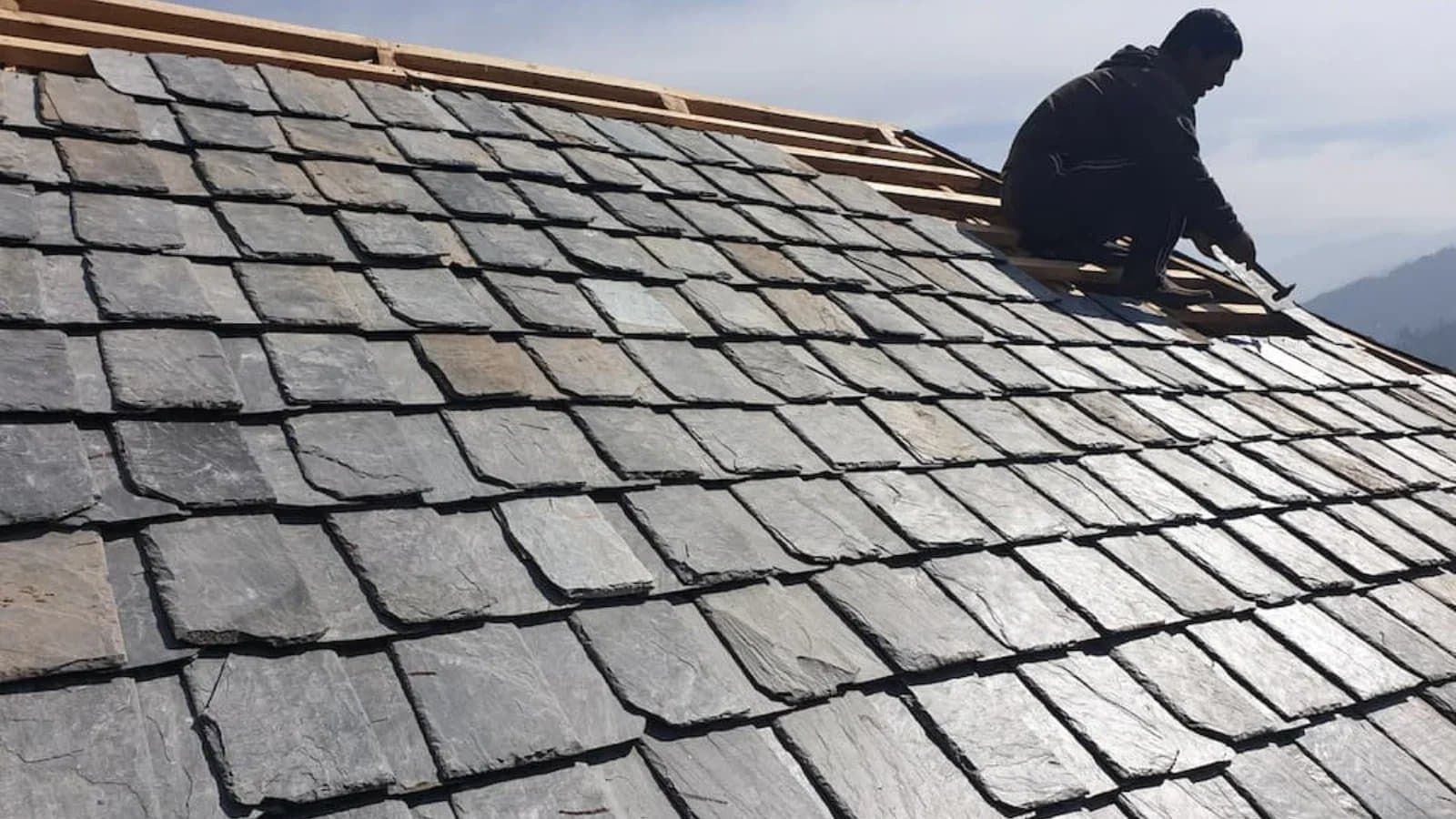
If your roof is older, has visible damage, or you’re planning a re-roof soon, it’s worth lining that up before installing panels. A solid roof means a clean install and fewer headaches later.
If you’re already doing roofing work, we can coordinate timing so everything stays tidy and futureproof.
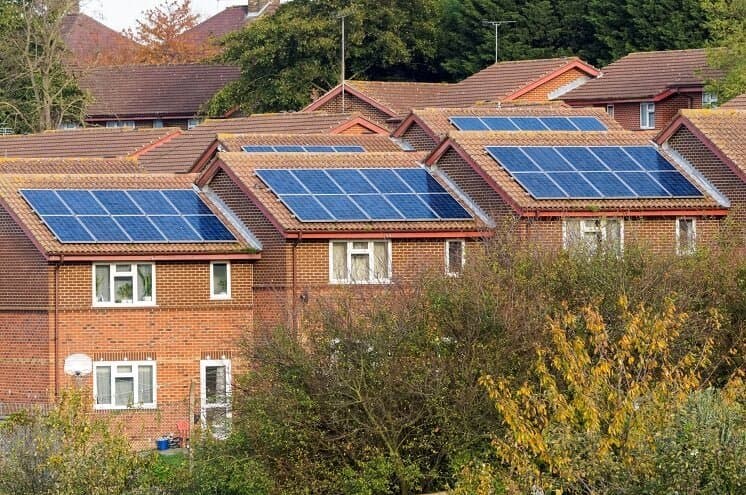
4) Roof material: most are fine
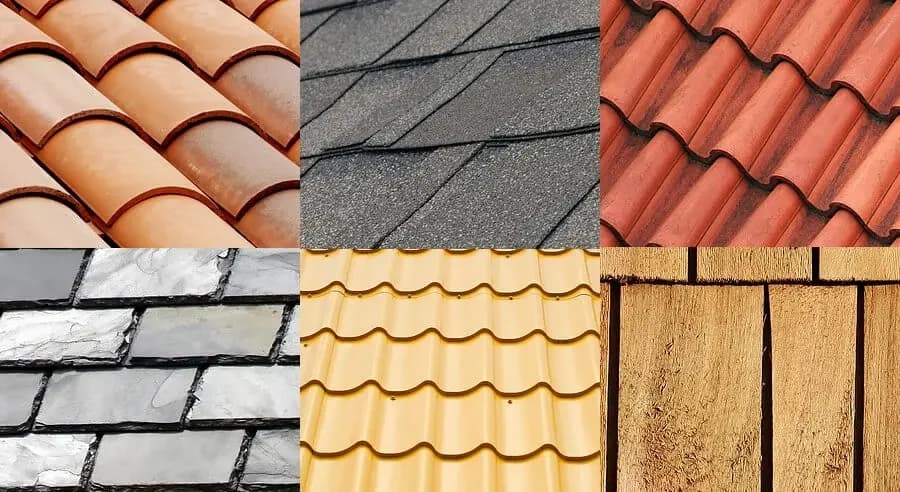
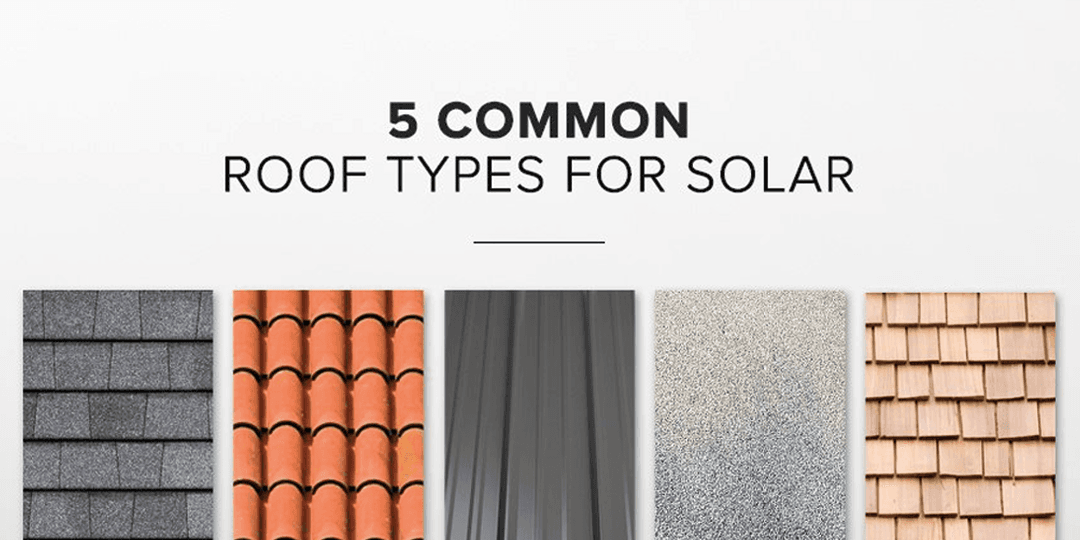
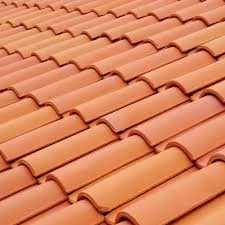
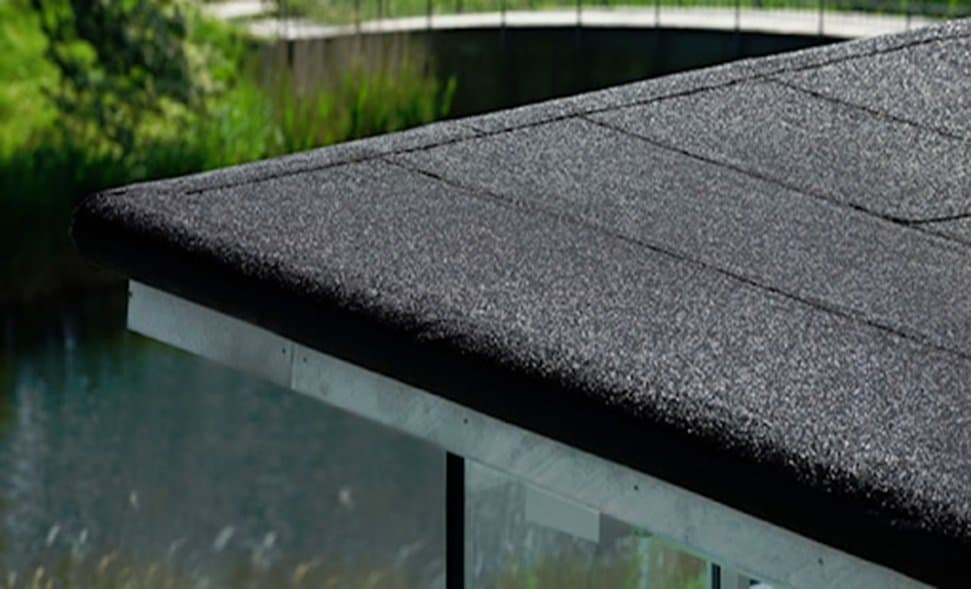
Solar can be installed on the majority of common UK roof types, including tile, slate, and metal sheet. Some materials just need specific mounting kits and a bit more care — which we handle as part of the job.
5) “My roof is small” — you might be surprised
You don’t need a huge roof to make solar worthwhile. Higher-efficiency panels mean smaller arrays can still deliver meaningful savings, especially when paired with smart design.
And if roof space is tight, we can also assess:
- garages and outbuildings
- carports
- suitable flat roof sections
6) Planning permission: usually simple
Most standard solar installs don’t need planning permission. There are exceptions — like listed buildings or conservation areas — and if that applies to you, we’ll guide you through what’s allowed before anything is booked.
7) New-build or rented property?
If you own a new-build, we’ll check any developer constraints and the best layout for your roof. If you rent, you’ll need landlord permission — and we can provide a simple summary of benefits (savings + EPC improvement) to support the ask.
The simplest way to find out: get a free quote
We can usually assess suitability quickly using roof data and follow up with a survey where needed. You’ll get a clear system recommendation, expected savings, and a fixed quote — no jargon and no pressure.
Click Get a quote for a free, fixed-price quote, or call 01752 916 013 to speak with the team.