
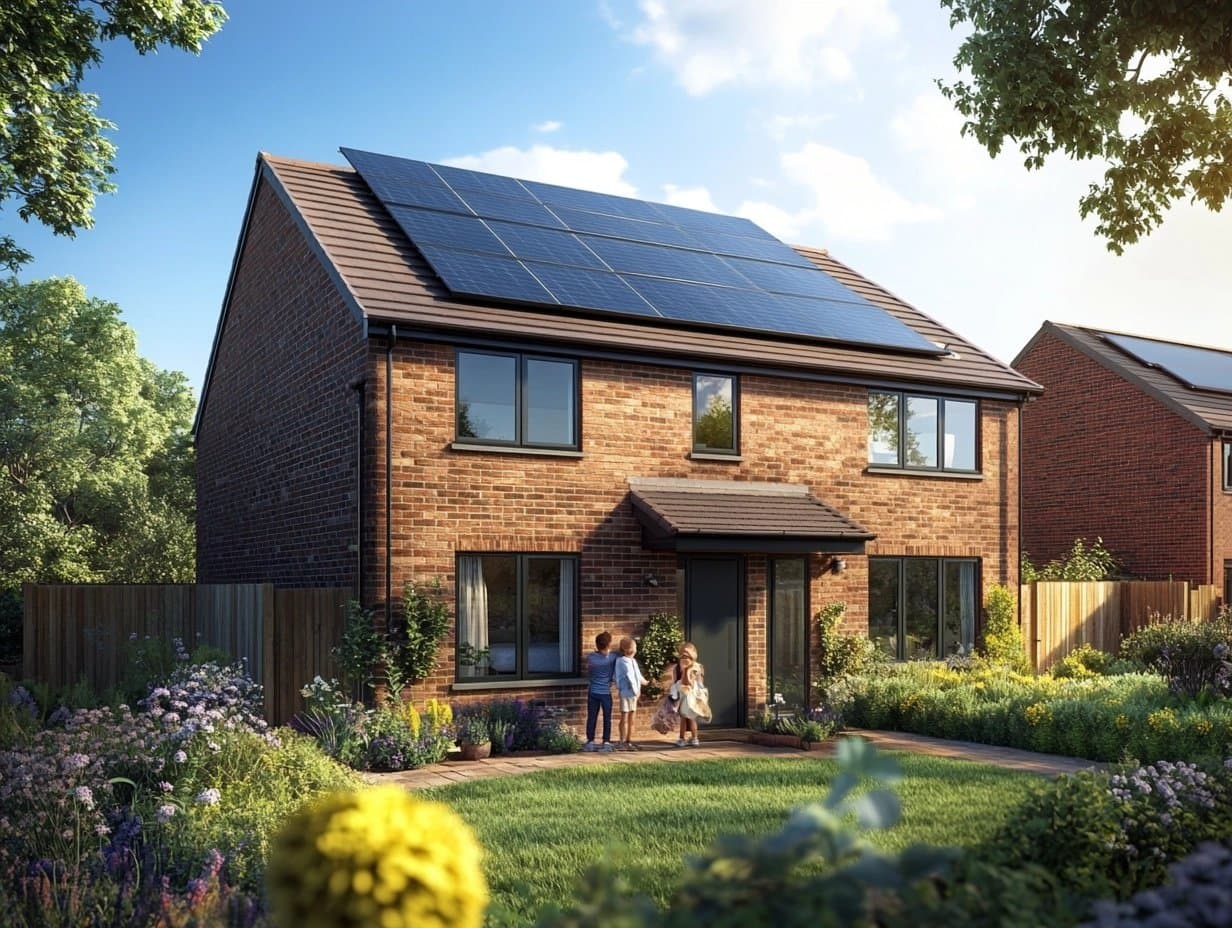
Power your home with clean solar energy and lower your bills year-round.

What is the 0% VAT relief?
It’s a temporary zero rate of VAT on the supply and installation of certain energy-saving measures in eligible buildings (including solar PV). So instead of paying VAT on top of the system cost, the VAT rate is currently 0% for qualifying installs.
With 0% VAT on solar panels and battery installations ending in March 2027, now is the time to act and maximise your savings before the rate returns to 5%. Here’s what you need to know.
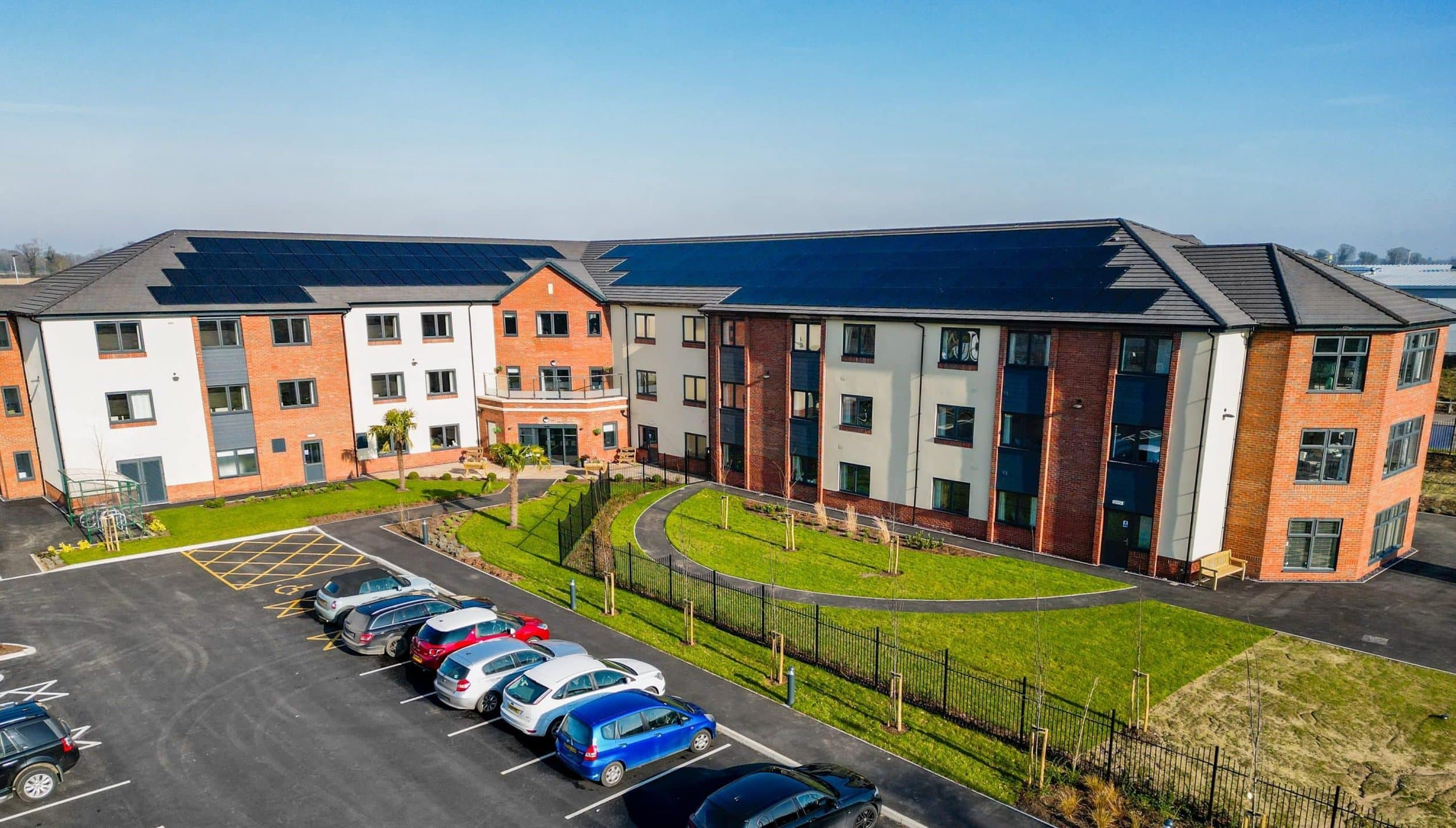
What’s included?
For most customers, the practical takeaway is:
- Solar PV supply + installation can qualify for 0% VAT (as an “energy-saving material” installation).
- Electrical battery storage is also within scope under the relief rules (expanded reforms took effect from 1 February 2024).
(Eligibility depends on the property type and how the work is supplied/installed — we’ll confirm this as part of your quote.)

Who qualifies?
This relief is aimed at residential accommodation and certain charitable buildings. Standard commercial/business installs generally don’t use this specific VAT relief in the same way (businesses have other routes to improve the numbers).
What changes in 2027?
- Up to 31 March 2027:
- 0% VAT applies to qualifying installations.
- From 1 April 2027:
- the VAT treatment is set to revert to the reduced rate (5%) for qualifying installations.
A simple example (with the correct VAT rates)
If your solar + battery installation is £10,000 (system + install):
- Now (0% VAT): you pay £10,000
- From April 2027 (5% VAT): you’d pay £10,500
That’s £500 difference per £10,000 of qualifying work — with no extra forms or claims needed.
Should you act now?
If you already want solar in 2026, moving sooner means:
- you start saving on bills earlier, and
- you keep the 0% VAT advantage while it’s available, rather than paying 5% later.
If you're using the VAT window as the point to invest, the next question is which panels are worth putting on your roof. Our Aiko Neostar vs SunPower M Class comparison looks at efficiency, warranty, construction and which panel suits different homes.
Want a fixed quote?
We’ll check roof suitability, system size, and whether battery storage makes sense for your usage — then give you a clear, fixed-price quote with the correct VAT treatment.
Call 01752 916 013 or click Get a quote to start.