

LAST UPDATED
29th June 2026
Heat Pump Installers in Ivybridge
Heating bills in South Devon have climbed steeply in recent years, and many Ivybridge homeowners are looking at an ageing gas, oil, or LPG boiler and wondering what comes next.
An air source heat pump is, for most homes, the answer: a proven, low-carbon way to heat your home and hot water that runs on electricity rather than fossil fuel.
Finding the right heat pump installers in Ivybridge matters, though, because the quality of the design and installation makes the difference between a system that quietly saves you money and one that might disappoint.
Simple Solar is a Plymouth-based, MCS-certified installer of air source heat pumps, solar panels, and battery storage, covering Ivybridge and the surrounding villages.
This page explains what a heat pump costs, how the £7,500 government grant works, with a higher £9,000 grant available from 21 July 2026 for eligible properties if you are replacing oil or LPG heating, whether it will be cheaper to run than your current heating, and how pairing a heat pump with solar can change the sums entirely.
When you are ready, you can book a free home survey with no obligation.

INSTALLERS
Certification & local expertise
Why choose a local, MCS-certified heat pump installer?
MCS certification is the quality standard for renewable heating in the UK, and it matters for two reasons:
It means the installer works to a recognised standard for design, sizing, and commissioning, so your system is built to perform properly.
It is the gateway to the Boiler Upgrade Scheme: only an MCS-certified installation qualifies for the £7,500-£9,000 grant.
Choosing a local installer brings its own advantages. South Devon has a mix of housing, from modern estates in Ivybridge itself to older stone properties and rural homes scattered towards the moor, and each has its own heating quirks.
A local installer who knows that housing stock can design a system that genuinely fits your home. Simple Solar covers Ivybridge, the wider South Hams, and the villages along the southern edge of Dartmoor, including Bittaford, Wrangaton, Lee Mill, Cornwood, and Ermington.
Areas covered
How it works
How does an air source heat pump work?
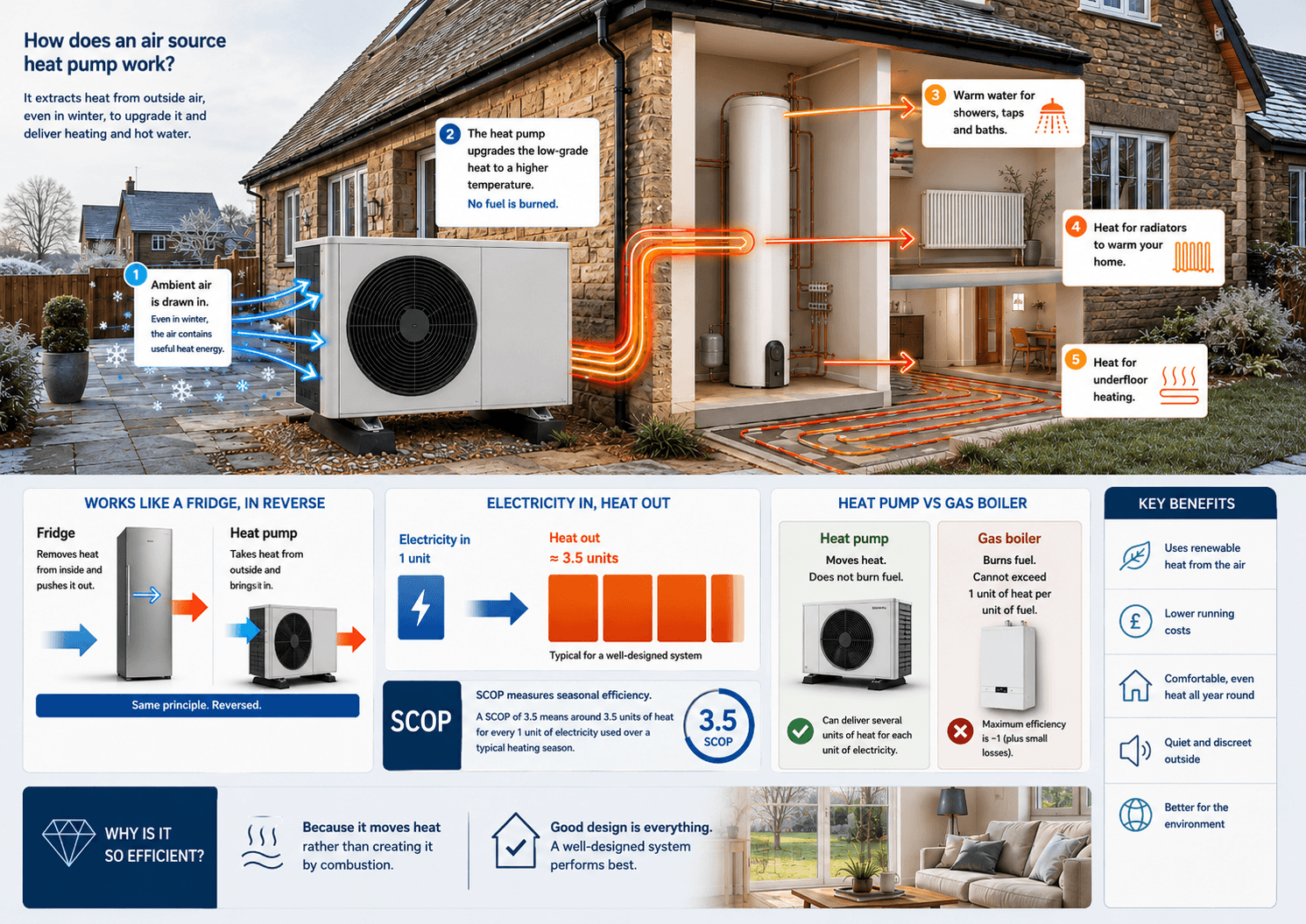
An air source heat pump does not burn anything. Instead, it extracts heat from the outside air, even in winter, and concentrates it to warm your home and hot water.
It uses the same principle as a fridge, but in reverse. Because it moves heat rather than creating it by combustion, it delivers several units of heat for every unit of electricity it uses.
That efficiency is measured by the SCOP, the seasonal coefficient of performance. A SCOP of 3.5, for example, means the heat pump produces about 3.5 units of heat for every unit of electricity it draws across a typical heating season.
A modern gas boiler, by contrast, can never exceed one unit of heat per unit of fuel. This is why a well-designed heat pump can be so efficient, and why good design is everything.
Air source or ground source?
Ground source heat pumps draw heat from buried pipework and can be marginally more efficient, but they need significant outdoor space and groundworks, which pushes up the cost and disruption.
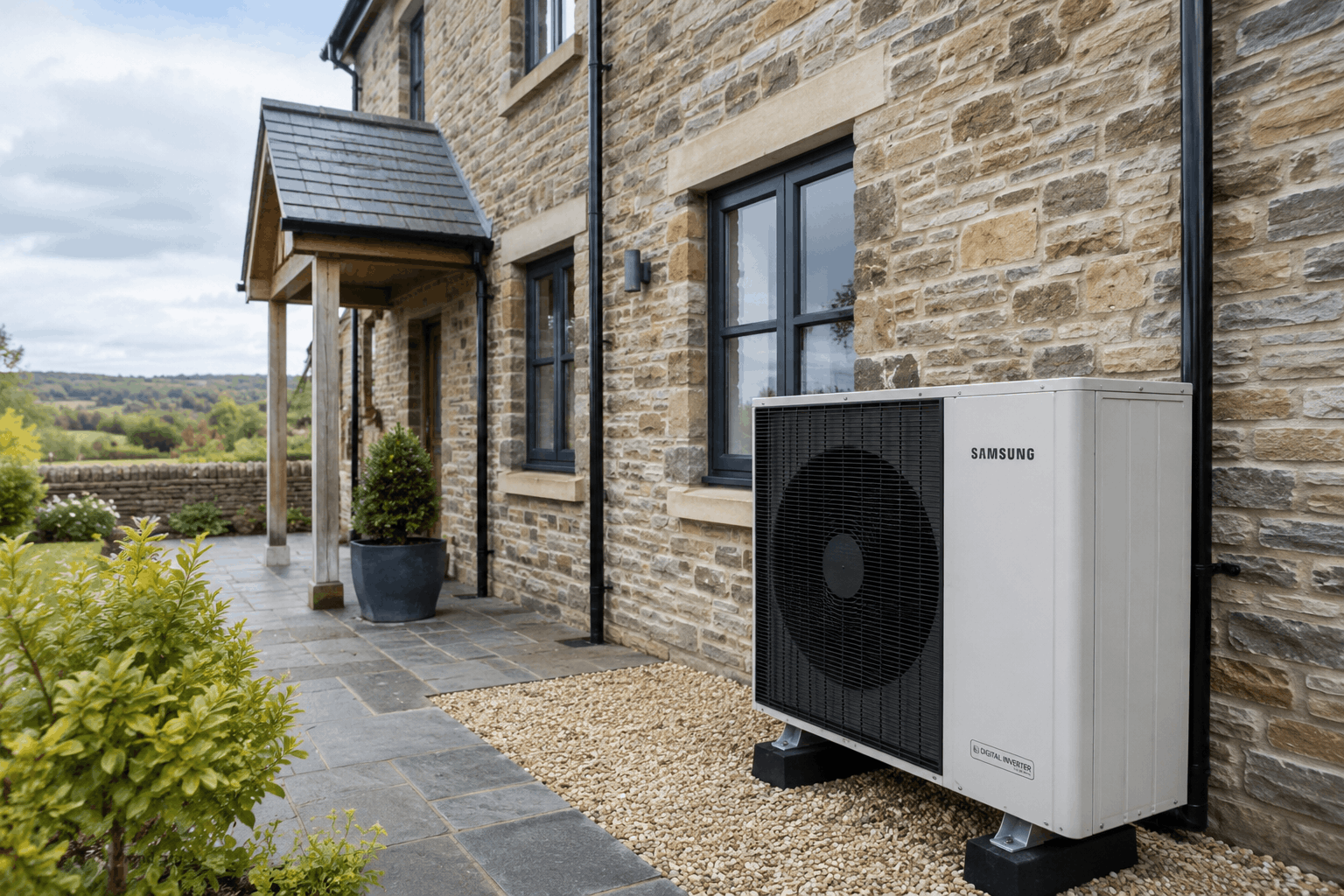
For the great majority of Ivybridge homes, an air source heat pump is the sensible choice: lower cost, no excavation, and an outdoor unit roughly the size of a large air conditioning condenser. We focus on air source systems for this reason.
How much does a heat pump cost in Ivybridge?
The honest answer is that the price depends on your property, the size of system you need, and whether any radiators or your hot water cylinder need upgrading.
For homes with gas boilers, the Boiler Upgrade Scheme gives you a £7,500 government grant towards an air source heat pump in England and Wales. We apply for it on your behalf, and it is deducted from your invoice, so you never have to pay it out and claim it back. Residential heat pump installations currently carry 0% VAT, which is already reflected in the price you are quoted.
If you are replacing an oil or LPG system, you may be able to claim more. From 21 July 2026, the Boiler Upgrade Scheme grant for homes moving off oil or LPG rises to £9,000. This is a temporary uplift running until 31 March 2027, after which the grant may return to its standard level.
Oil and LPG heating is especially common in the off-gas-grid villages around Ivybridge, so this is well worth checking. We will confirm which grant applies to your home and apply for it on your behalf.

Typical 2026 figures
Grant deducted upfront| Item | Typical 2026 figure | Notes |
|---|---|---|
| Installed cost (air source) | £12,500 average cost | Before grant; depends on property and system size. |
| Boiler Upgrade Scheme grant | £7,500 gas or £9,000 oil/LPG from 21 July 2026 | England and Wales; deducted from your invoice. |
| Net cost after grant (gas homes) | £5,000 average cost | Installed cost minus the £7,500 grant. |
| Net cost after grant (oil/LPG homes) | £3,500 average cost | Installed cost minus the £9,000 grant. |
| VAT | 0% | On residential heat pumps; already included. |
Will a heat pump be cheaper to run than my current heating?
This is the question that matters most, and it deserves a straight answer rather than a sales pitch. In 2026, on a standard electricity tariff, a well-installed heat pump is roughly on a par with a modern gas boiler for running cost.
Where a heat pump pulls clearly ahead is against oil, LPG, and direct electric heating, which is especially common in the off-gas-grid villages around Ivybridge. If you are heating with oil or LPG today, a heat pump is very likely to cut your bills noticeably.
The reason the comparison with gas is close is simple: electricity costs more per unit than gas, so the heat pump has to be efficient enough to make up the difference. That is why design matters. There are three levers that move a heat pump from “roughly level” to “clearly cheaper”:
A high SCOP
A well-sized system in a reasonably insulated home runs more efficiently, so each unit of electricity goes further.
A dedicated heat pump or off-peak tariff
Several suppliers now offer lower unit rates for heat pump use, which can tip the running-cost comparison firmly in the heat pump's favour.
Solar panels
Generating your own electricity to run the heat pump, particularly for hot water during the day, is where the savings become substantial. More on this below.
Beyond the bills, a heat pump removes the gas standing charge if you disconnect from the gas grid entirely, cuts your home's carbon emissions sharply, and is a long-term investment in heating that will not be phased out, unlike new gas boilers.
Is my home suitable, and what happens during the survey?
Most homes around Ivybridge are well suited to an air source heat pump, including older and rural properties. The key is good design, which is exactly what the free home survey is for.
Older homes sometimes benefit from a little extra insulation first, and some radiators may need to be larger to run efficiently at a heat pump's gentler flow temperature, but many homes need few or no changes at all. A heat loss survey tells us precisely what your home needs.
Room-by-room heat loss assessment.
We calculate how much heat each room loses, so the system can be sized correctly for your home.
Radiator and pipework check.
We check your existing radiators and pipework to see whether any need upgrading for efficient heat pump performance.
Hot water review.
We review your hot water needs, including whether a hot water cylinder is required or whether your existing cylinder is already suitable.
Outdoor unit location.
We advise on the best location for the outdoor unit, balancing efficiency, noise, and appearance.
Clear written quotation.
You receive a clear, written quotation setting out the system, the grant, and the net cost.
Air source heat pumps suit detached and semi-detached homes particularly well, and they are an excellent replacement for an oil or LPG system in a rural property.
How long does installation take?
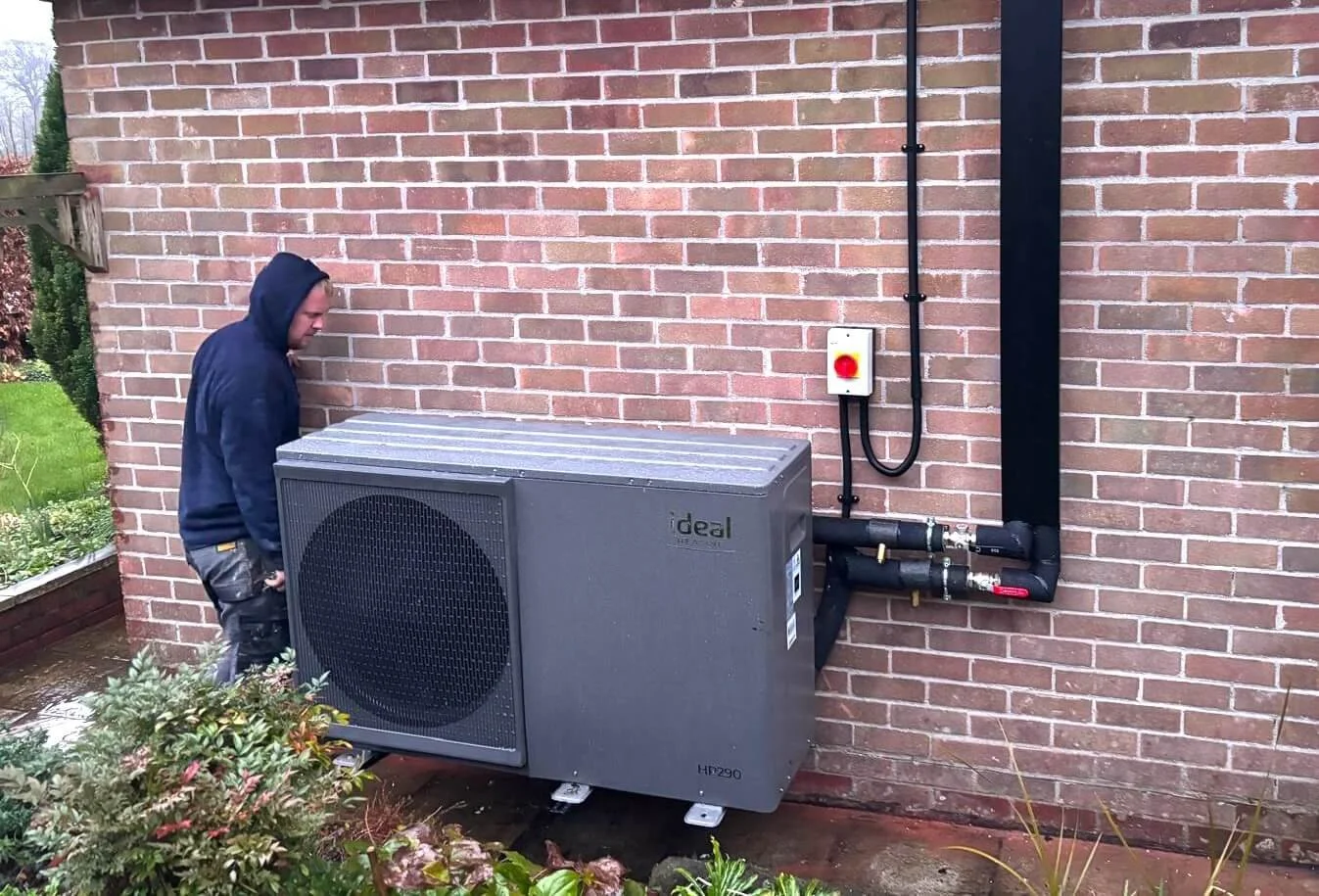
A typical air source heat pump installation takes 2-4 days, depending on the size of your property and whether any radiators or your hot water cylinder are being upgraded at the same time.
Larger or more complex homes may take a little longer. We agree a clear schedule with you in advance, and the system is filled, tested, and commissioned before handover, so it is working properly and you understand how to use it before we leave.
2-4 days for most homes
Most Ivybridge homes can be completed within a few working days, including the outdoor unit, pipework, controls, and commissioning.
Longer if upgrades are needed
If radiators, pipework, or the hot water cylinder need upgrading, we explain the schedule clearly before work begins.
Do I need planning permission
for a heat pump near Dartmoor?
For most homes, no. A domestic air source heat pump is usually permitted development, meaning you do not need a planning application, provided the outdoor unit meets certain siting and noise conditions.
Ivybridge sits on the southern edge of Dartmoor National Park, and this is where it pays to check carefully. Homes inside the National Park boundary, in a conservation area, or that are listed face additional constraints, and several villages near Ivybridge fall within the Park.
If your property is in any of these categories, the permitted development rules may not apply in full and you may need consent.
Planning authority depends on your location
Heat pumps and solar panels: a natural pairing
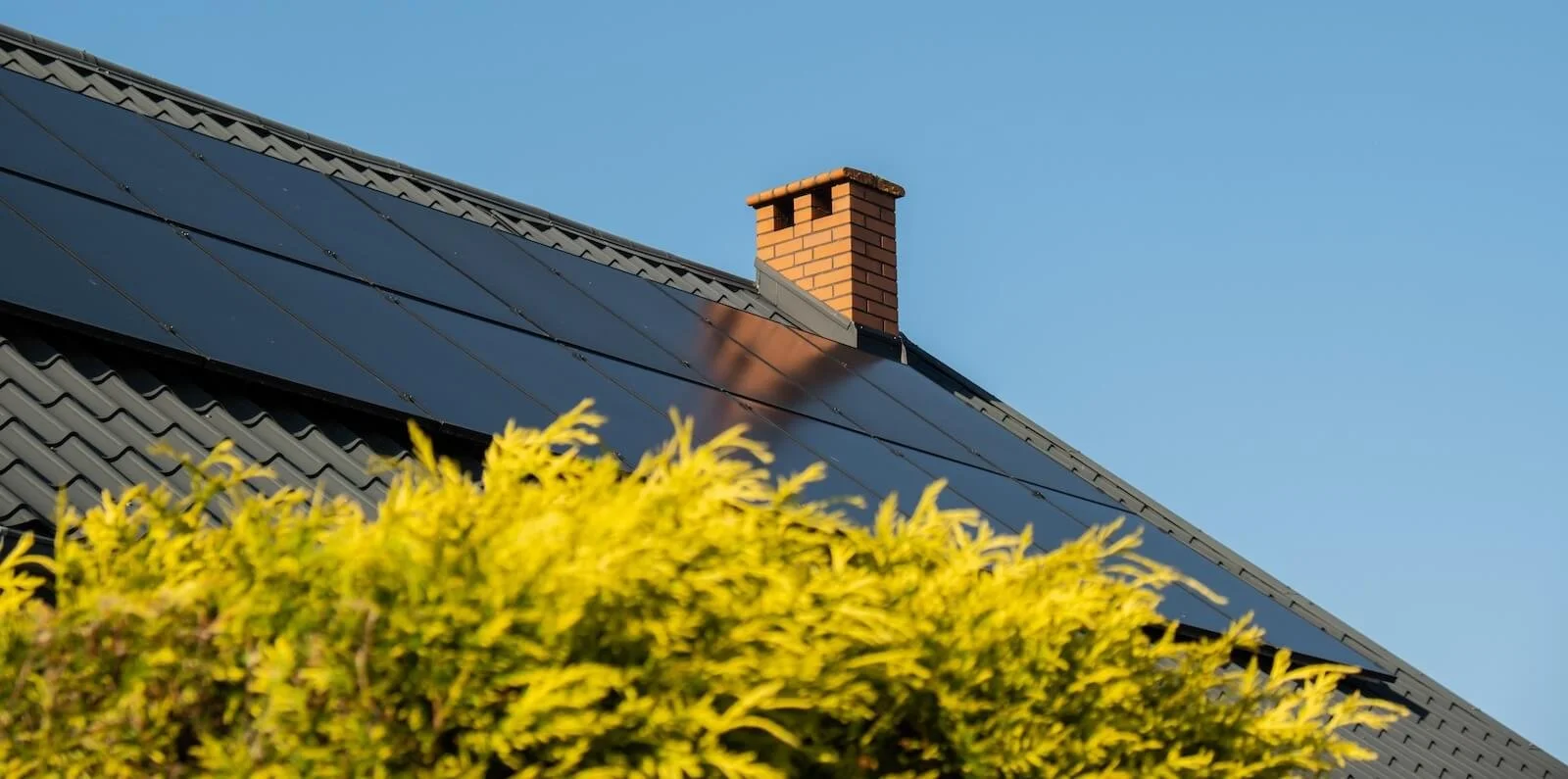
A heat pump runs on electricity, and solar panels generate electricity, which makes them a natural pair.
On a bright day, your solar panels can power the heat pump directly, so a meaningful share of your heating and hot water comes from electricity you have generated yourself rather than bought from the grid. This is where the running-cost sums shift decisively in the heat pump's favour.
 Solar generation
Heat pump heating
Solar generation
Heat pump heating
How solar improves heat pump running costs
Daytime solar
The pairing works especially well for hot water. A heat pump can heat your cylinder in the middle of the day, exactly when your solar output is highest, effectively storing free solar energy as hot water for the evening.
Battery storage
Adding battery storage extends the benefit further, storing surplus daytime generation to run the heat pump after dark.
Designed together
Because Simple Solar installs solar panels, battery storage, and heat pumps, we can design the whole system together as one efficient package, rather than bolting parts on later.
Dedicated heat pump tariffs
A number of energy suppliers now offer dedicated heat pump or off-peak electricity tariffs that charge a lower unit rate for the electricity your heat pump uses. Examples are Octopus Energy’s Cosy Octopus tariff and E.ON Next’s Next Pumped tariff.
Combined with a hot water cylinder used as thermal storage, and with solar generation during the day, these tariffs can bring running costs comfortably below those of a gas boiler.
Heat pump tariffs can reduce the unit rate your heat pump uses, helping tip the running-cost comparison in your favour.
Thermal storage means your hot water cylinder can store useful heat when electricity is cheaper or solar output is high.
Solar generation reduces the amount of grid electricity your heat pump needs to buy during daylight hours.
Tariff availability and rates change regularly, so it is worth comparing what is currently on offer directly with suppliers. Simple Solar does not supply electricity or tariffs; we design the system that lets you make the most of whichever tariff you choose.
Frequently asked questions
01 How much does an air source heat pump cost in Ivybridge?
Before the grant, the installed cost depends on your property and system size, but averages around £12,500. For gas homes, after the £7,500 Boiler Upgrade Scheme grant is applied, the net cost is about £5,000. For oil/LPG homes, it’s roughly £3,500 net to pay. Your free survey gives you an exact, written figure with the grant already applied.
02 How much is the heat pump grant, and am I eligible?
The Boiler Upgrade Scheme gives £7,500 towards an air source heat pump in England and Wales. If you are replacing oil or LPG heating, a temporary uplift raises this to £9,000 from 21 July 2026 until 31 March 2027. Most homeowners replacing a fossil-fuel heating system are eligible. We handle the application for you and deduct the grant from your invoice.
03 Are heat pumps cheaper to run than a gas or oil boiler?
Against oil, LPG, or direct electric heating, a heat pump is usually clearly cheaper to run. Against a modern gas boiler on a standard tariff, the two are roughly level, and a heat pump can pull ahead with a good system design, a dedicated heat pump tariff, or solar panels.
04 Will a heat pump work in an older or rural Ivybridge home?
Yes, in most cases. Older and rural homes are often well suited, particularly those replacing oil or LPG. Some may benefit from extra insulation or larger radiators, which the heat loss survey identifies before any work begins.
05 Do I need planning permission for a heat pump near Dartmoor?
Usually not, as most installations are permitted development. However, homes inside the Dartmoor National Park boundary, in a conservation area, or that are listed may need consent.
06 Can I have solar panels and a heat pump installed together?
Yes. As an installer of solar, battery storage, and heat pumps, we can design and fit a combined system so your solar generation helps power your heat pump, cutting running costs. We will set out the options and costs for a combined system in your quotation.
Book a free heat pump survey
If you are weighing up a heat pump for your Ivybridge home, the best next step is a free, no-obligation survey.
You will get a clear assessment of your home, an honest view of running costs, the £7,500 / £9,000 grant applied to your quotation, and the option to pair your heat pump with solar.
As a local, MCS-certified installer, Simple Solar is here to give you straight advice and a system designed to perform for decades.
Call us or request your free survey online today.
AUTHOR