
1) The biggest saving is simple: you buy less electricity
Every kWh you generate and use at home is a kWh you don’t buy from your supplier.
A “typical” household electricity use is often modelled around 2,700 kWh/year for price-cap comparisons, but many homes will be higher or lower depending on size and habits.
To keep the maths easy: if electricity is roughly ~27.7p/kWh on a price-cap style tariff (GB average for Jan–Mar 2026), each 1,000 kWh you replace with solar is about £277/year you don’t pay to the grid.
2) You can also get paid for spare power (SEG)
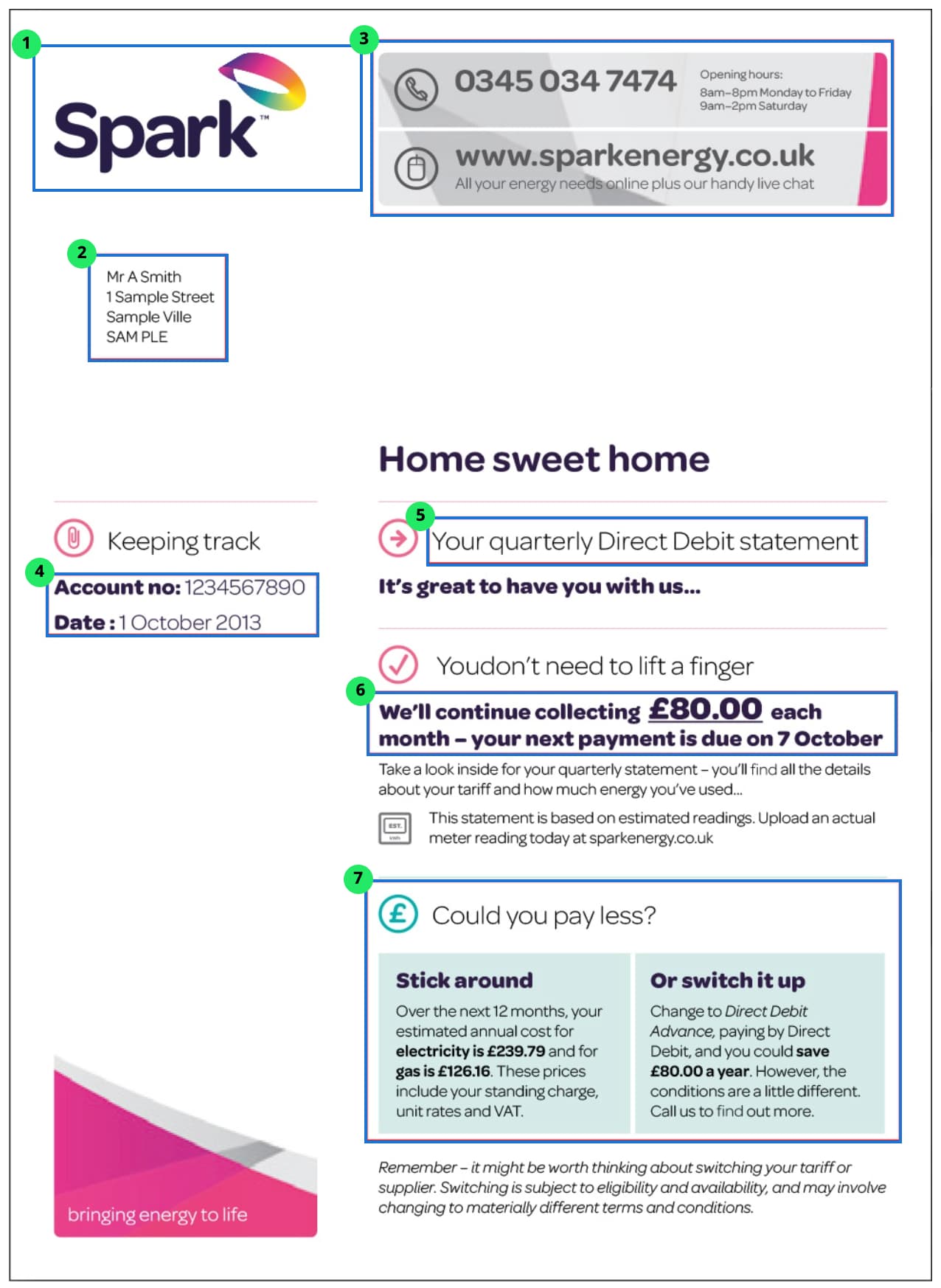
If your system exports electricity to the grid, you can earn money through the Smart Export Guarantee (SEG).
The key thing to know: SEG export rates are set by suppliers, so they vary — and you can shop around. The scheme requires participating suppliers to offer an export tariff and pay you for the electricity you export.
Practical takeaway: bill savings usually beat export earnings, so most homes win by using more solar themselves (especially evenings).
3) Add a battery and savings usually jump
Without a battery, many homes export a chunk of solar during the day, then buy electricity again in the evening.
A battery lets you:
- Store spare solar for evenings/nights
- Reduce peak-time buying
- Get more control over export timing (export when it suits you, not when the sun decides)
It’s not always “must-have”, but if you have higher evening use, an EV, or you just want more independence, it can be a big upgrade.
4) The VAT window makes 2026 a strong year to act
Right now, 0% VAT applies to energy-saving materials like solar (and batteries), and battery-only installs are included too (not just batteries installed at the same time as panels). This zero rate runs until 31 March 2027.
That’s a real, upfront cost reduction — and it’s time-limited.
5) “When does it pay back?”
Payback depends on:
- Your roof + generation
- Your daytime usage
- Whether you add battery storage
- Your tariff (standard, smart EV tariff, etc.)
- Whether you export a lot (and what SEG rate you’re on)
In practice, solar tends to pay back fastest when you use lots of electricity on-site, and that’s why commercial installs (daytime loads) often look especially strong.
A simple way to think about savings (no fluffy promises)
Your annual benefit = (solar you use yourself × your electricity unit rate) + (solar you export × your SEG rate).
That’s it. Everything else is optimisation.


Want a proper number for your home or site?
We’ll estimate:
- Your roof’s generation potential
- A sensible system size (not oversized)
- Likely self-use vs export
- Battery “yes/no” recommendation (based on your usage, not upsell)