
Picking the best EV charger for your property
Whether you’re a homeowner getting your first EV, a landlord upgrading a rental, or a business adding workplace charging, choosing the right charger matters. It affects cost, convenience, charging speed, and how easily you can add solar and battery storage later.
Here’s how to pick a charger that fits your property—not just your car.
1) Start with your power supply
Most UK homes and many small businesses have single-phase power. That usually means a 7kW charger, which is ideal for overnight charging and day-to-day top-ups.
Some larger properties and many commercial sites have three-phase power, which can support 22kW charging (where the vehicle allows). Faster charging is great, but it depends on your infrastructure and sometimes needs DNO checks or upgrades.
We’ll confirm what you’ve got during the survey and recommend the best option without overcomplicating it.
2026 Guide!
2) Decide where it will go
The “best” charger on paper can be annoying in real life if the location is wrong. Think about:
where your car actually parks most days
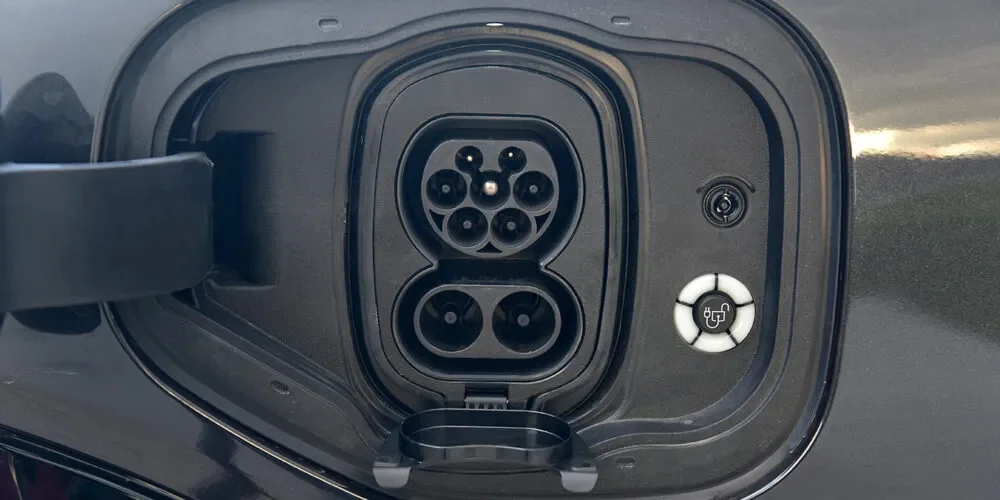
cable reach to the charge port (different cars place the port in different spots)
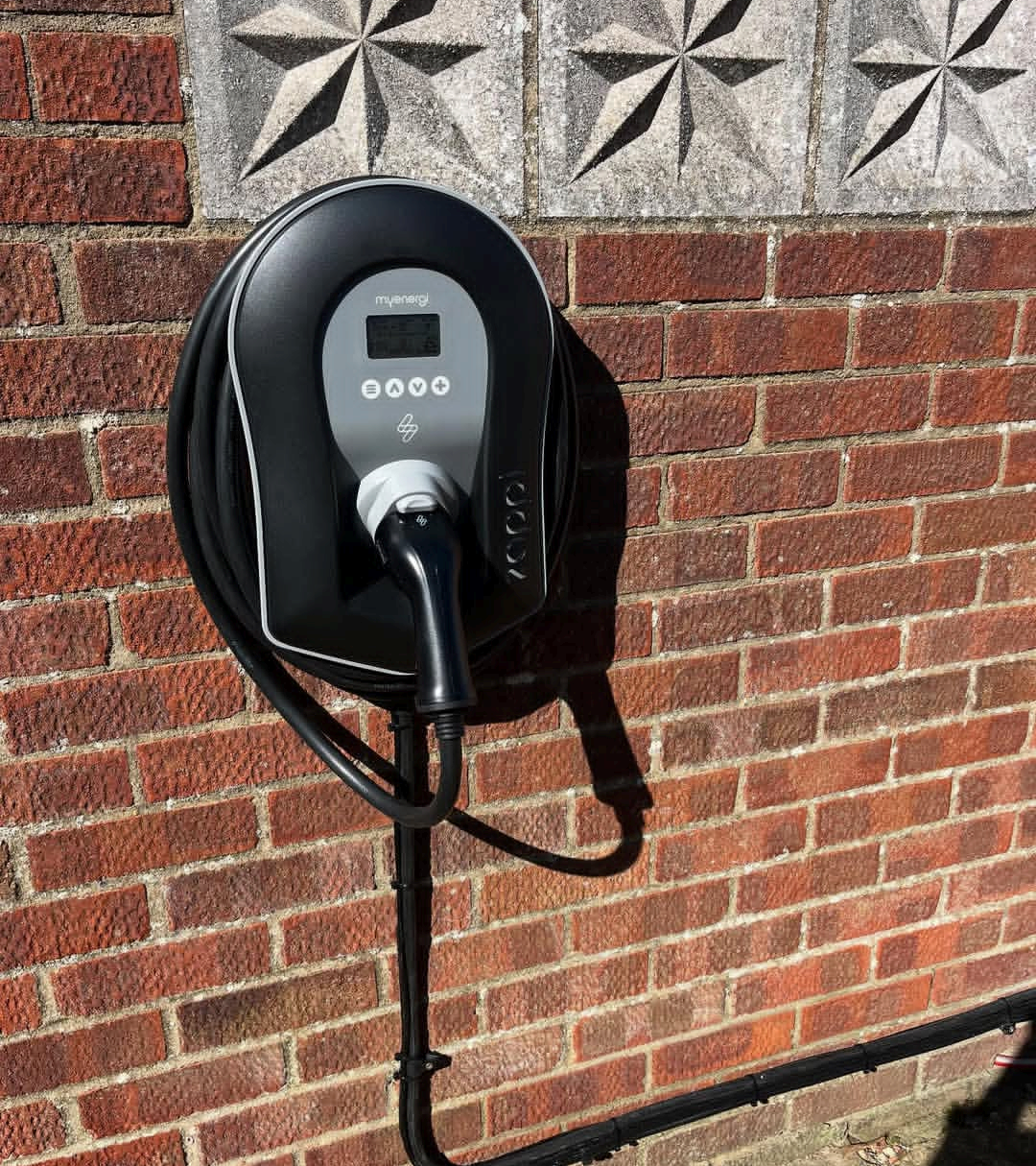
wall-mount vs pedestal (post) install
exposure to weather (coastal/windy spots matter)
visibility and security if it’s public-facing
If it’s a shared car park or a commercial space, you may also want signage, bollards, or simple cable management to keep it tidy and safe.
3) Tethered vs untethered
This choice is more important than people think.
Tethered (fixed cable):
Best for private driveways. It’s the easiest day-to-day—park, plug in, done.
Untethered (socket only):
Great for shared parking, rentals, and workplaces. People use their own cables, and it keeps the install looking cleaner. It also avoids having a cable permanently outside.
If you’re unsure, tell us how the space is used and we’ll recommend what makes sense.
4) Smart features: what’s worth paying for?
You don’t need every feature under the sun, but a few are genuinely useful.
We normally recommend choosing a charger that includes:
scheduled charging (so you can use off-peak tariffs)
app control + basic reporting (so you can track usage)
over-the-air updates (keeps it reliable long-term)
load management (helps prevent overload if your home is drawing power elsewhere)
If you have solar—or plan to—choose a solar-aware charger. These can prioritise surplus solar during the day and reduce grid charging.
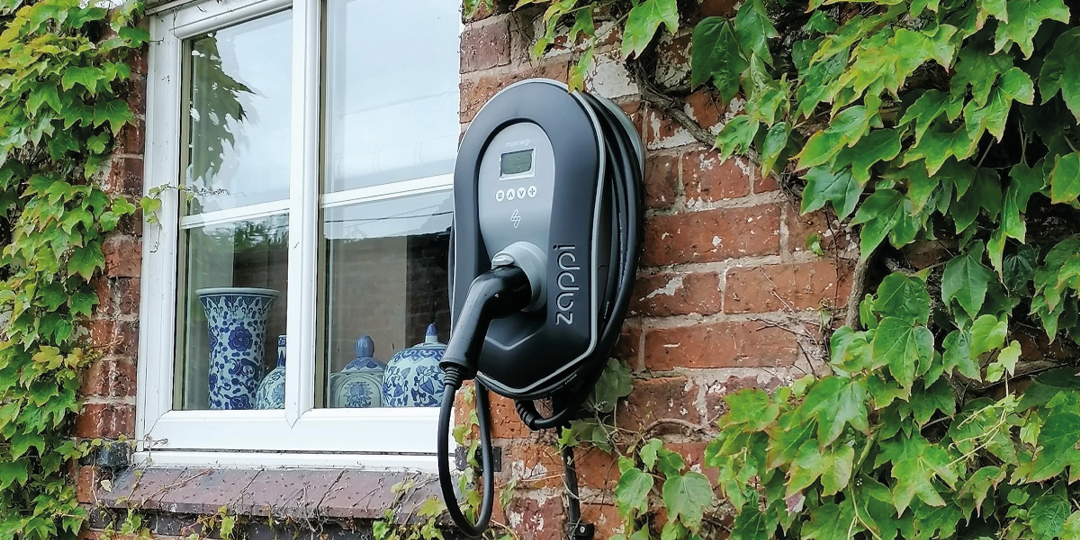
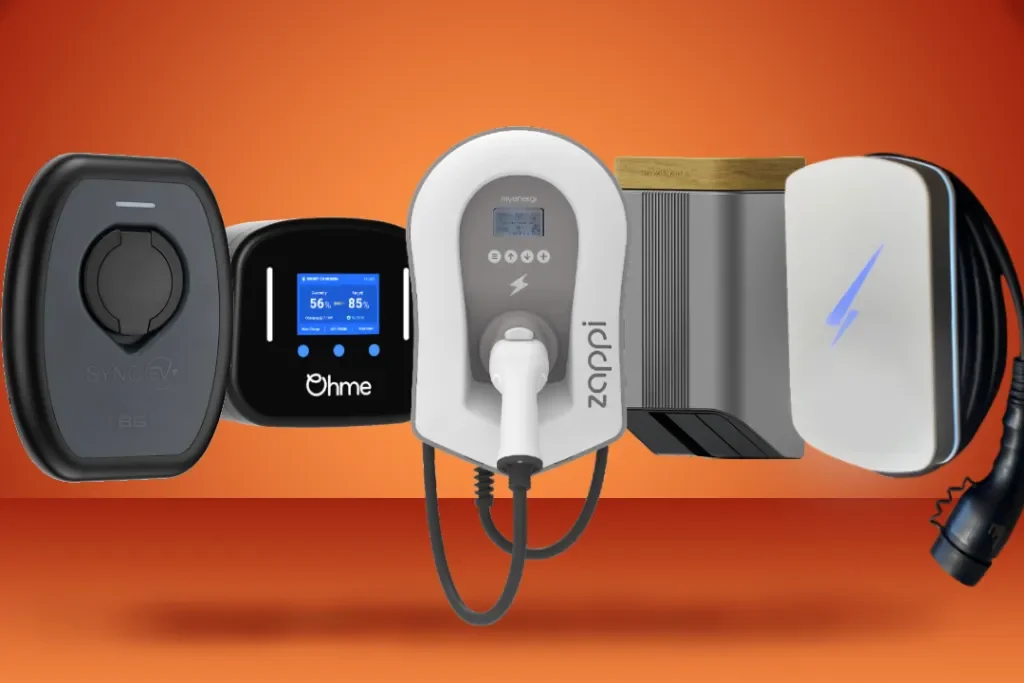
A popular option for solar integration is myenergi Zappi, because it can switch modes depending on how much solar you have available.
5) Think ahead: future-proofing
Even if you’re installing one charger today, many households and businesses end up with two EVs sooner than expected.
Worth thinking about now:
second EV readiness (cable routing and spare capacity)
smart load sharing if you may add another charger
solar + battery integration later
visitor/tenant charging rules if it’s shared parking
A small design decision now can save a costly rework later.
6) Grants and support (if eligible)
Some installs may still qualify for OZEV support, especially for rented properties and some commercial setups. If you’re eligible, it can reduce the installation cost per socket.
We’ll tell you what applies to your situation and help with the admin where we can.
7) Safety and compliance
EV chargers must be installed by qualified professionals and designed to current UK safety standards. A proper install includes things like correct protection, safe isolation, and making sure the system suits your existing electrical setup.
We install chargers every week across homes and businesses, including solar-integrated setups, so we’ll keep it straightforward and done properly.
Ready to get started?
Click Get a quote for a free, fixed-price quote, or call 01752 916 013 to speak with the team.