
1) Solar uses light, not heat
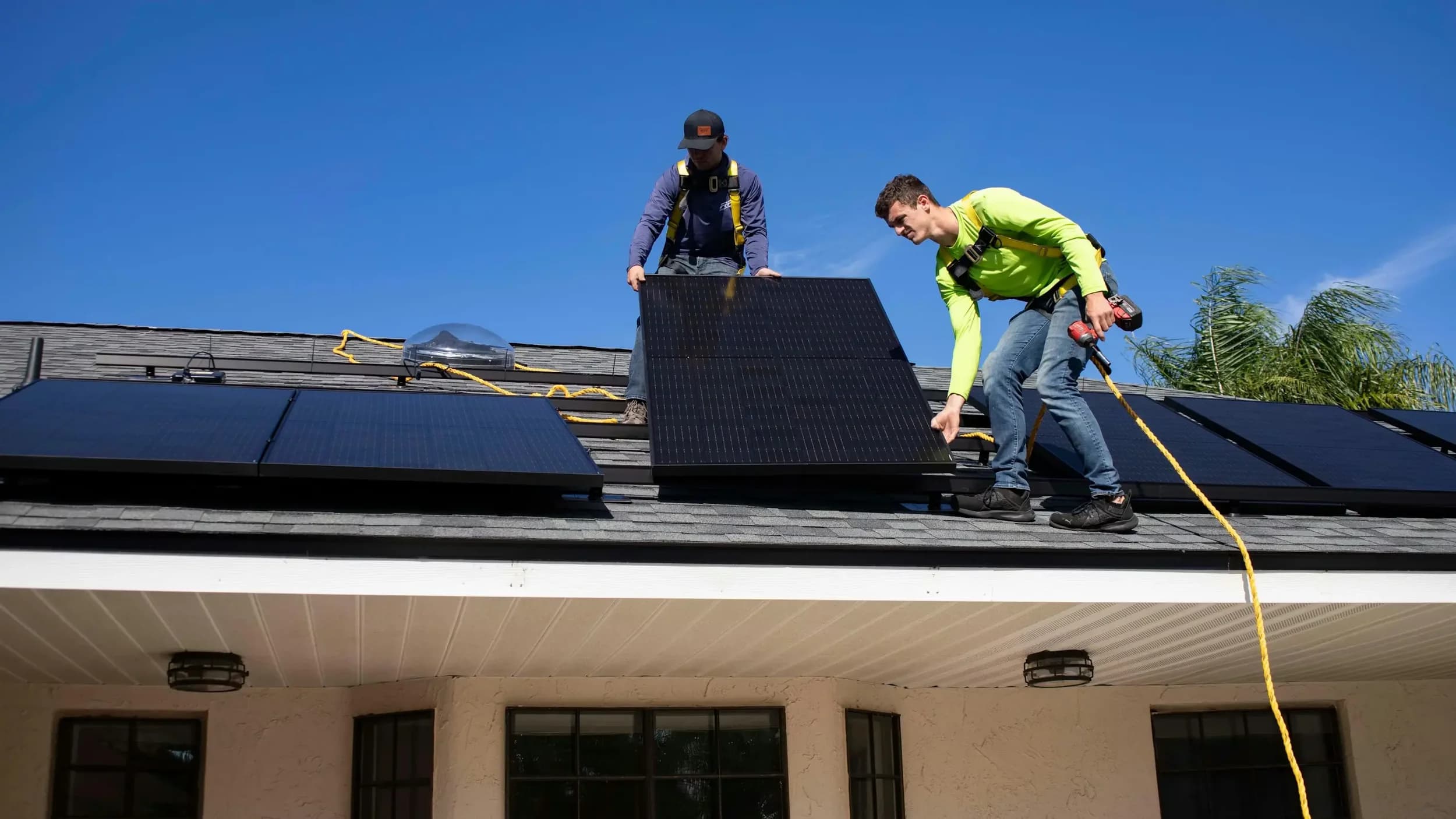
Solar panels don’t “absorb heat” to make electricity. They convert light into energy.
That’s why a crisp, bright winter day can still be a good solar day. And why panels can generate even when it’s overcast—because daylight still reaches the roof, just more diffused.
2) The quick science (in plain English)
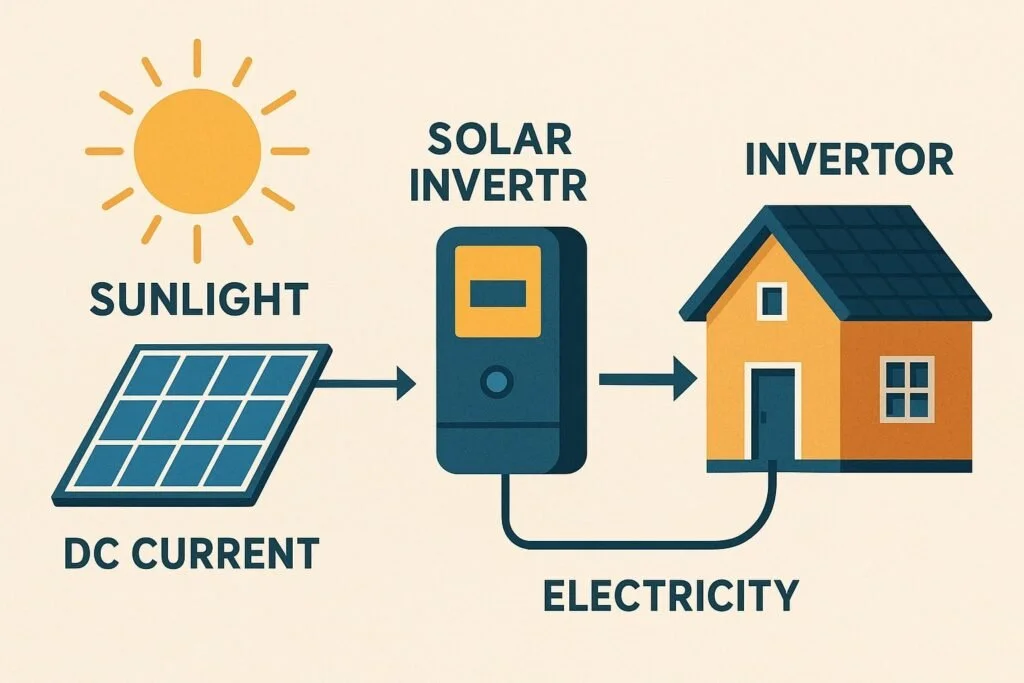
Inside every solar panel are photovoltaic (PV) cells. When light hits them, it frees tiny electrical charges and creates direct current (DC) electricity.
Your home runs on alternating current (AC), so your system includes an inverter that converts DC into AC.
In short:
3) What happens to the power you generate?
Your system always tries to use your solar power first.
If you generate more than you’re using, you have two smart options:
- Option A: Store it in a battery
- You keep that energy to use later—usually evenings and early mornings.
- Option B: Export it to the grid (and get paid)
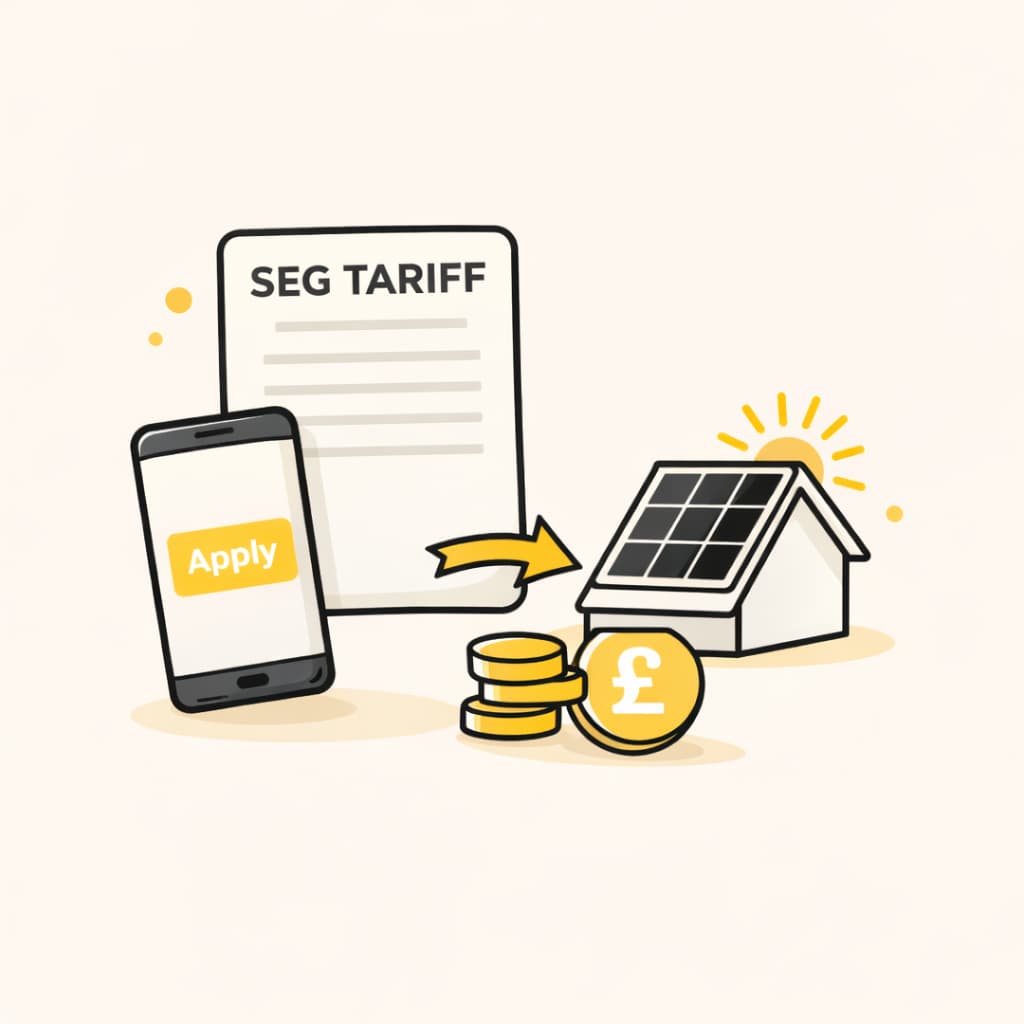
- If you don’t store it, the surplus can be exported and paid via the Smart Export Guarantee (SEG).
Most households do a mix of both, depending on whether they have a battery.
4) Why some panels outperform others
Not all solar panels are equal—especially in low light and limited roof space.
Higher-efficiency panels can:
- generate more power per square metre
- deliver stronger annual output on smaller roofs
- hold performance better over the long term
If you want the best return from a tighter roof, panel choice matters.
5) Solar changes by season (and that’s normal)
You’ll generate more in spring and summer, less in winter. That’s expected.
A good installer designs around your yearly usage, not just a sunny-week estimate. Your system should still produce meaningful energy every month of the year—and the savings add up across seasons.
Add a battery, and you typically use more of your own solar rather than buying from the grid in the evenings.
6) Does roof direction matter?
Yes—but it’s rarely a deal-breaker.
- South-facing:
- strongest overall output
- East/West:
- still excellent, often great for “morning + evening” generation
- Flat roofs:
- workable with the right mounting
Shade, chimneys, dormers, and roof windows also matter. That’s why we do a proper survey and layout plan before installing anything.
7) What you can see on your phone
Modern systems include app monitoring, so you can see:
- how much you’re generating right now
- what you’re using in the home
- what you’re exporting
- how much you’re saving over time
It’s one of the most satisfying parts of solar: it’s visible.
8) Quiet, low-maintenance, built to last
Solar has no moving parts. Once installed, it just works—silently—year after year.
Most systems are designed for long lifespans, and the key is quality kit + a tidy, standards-led install.
The simple takeaway
Solar works in the UK because it runs on daylight, not heat. Your inverter makes the power usable. A battery helps you use more of what you generate. SEG pays you for what you don’t use.
Ready to see what solar would do on your roof?
Click Get a quote for a free, fixed-price quote, or call 01752 916 013 to speak with the team.