
From energy consumer to energy producer
Take control of your power in 2026
Imagine this: it’s a bright morning, the kettle’s on, your home office is running, and your EV is topping up — while your home is using electricity you generated yourself. That’s what solar does when it’s designed properly. It turns your roof into an asset, not just a shelter.
Solar in the UK is no longer “early adopter” territory. National solar capacity has continued to grow, and more homeowners are choosing to generate, store, and manage their own energy.

Consumer vs producer: what changes?
Most of us think about energy like broadband: you just buy it and use it. Solar flips that.
With the right setup you can:
Use your solar power first (self-consumption)
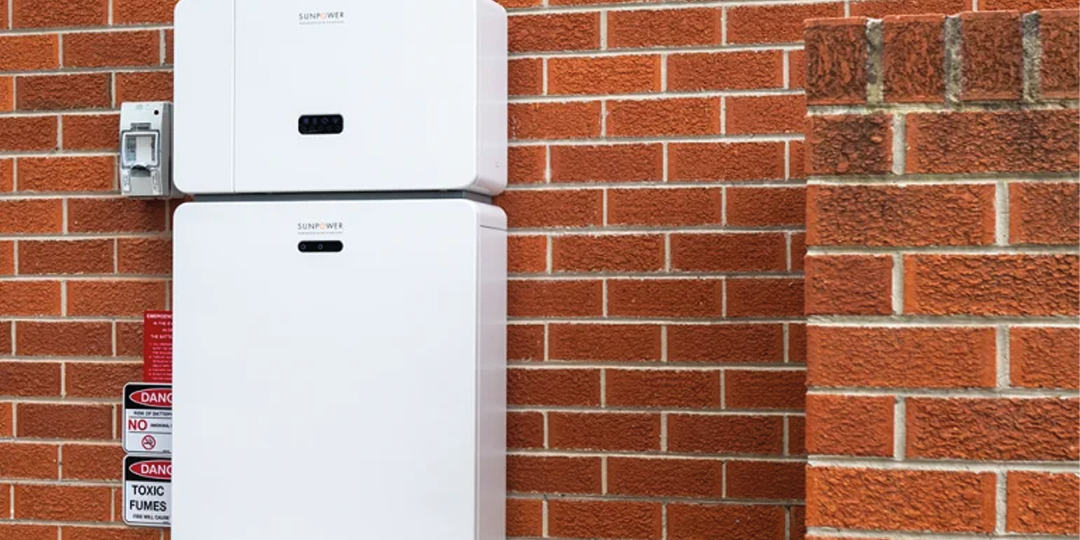
Store spare energy in a battery for later
Export the rest and earn SEG payments
It’s not about perfection. It’s about control — using more of what you generate, and buying less at the most expensive times.
The real “secret” is system design
Panels matter, but design matters just as much:
your roof space and layout
shading and orientation
your daytime vs evening usage
future plans (battery, EV charger, heat pump)
A good installer designs around your life, not a generic template.
Why premium panels (like SunPower/Maxeon) can be a smart choice
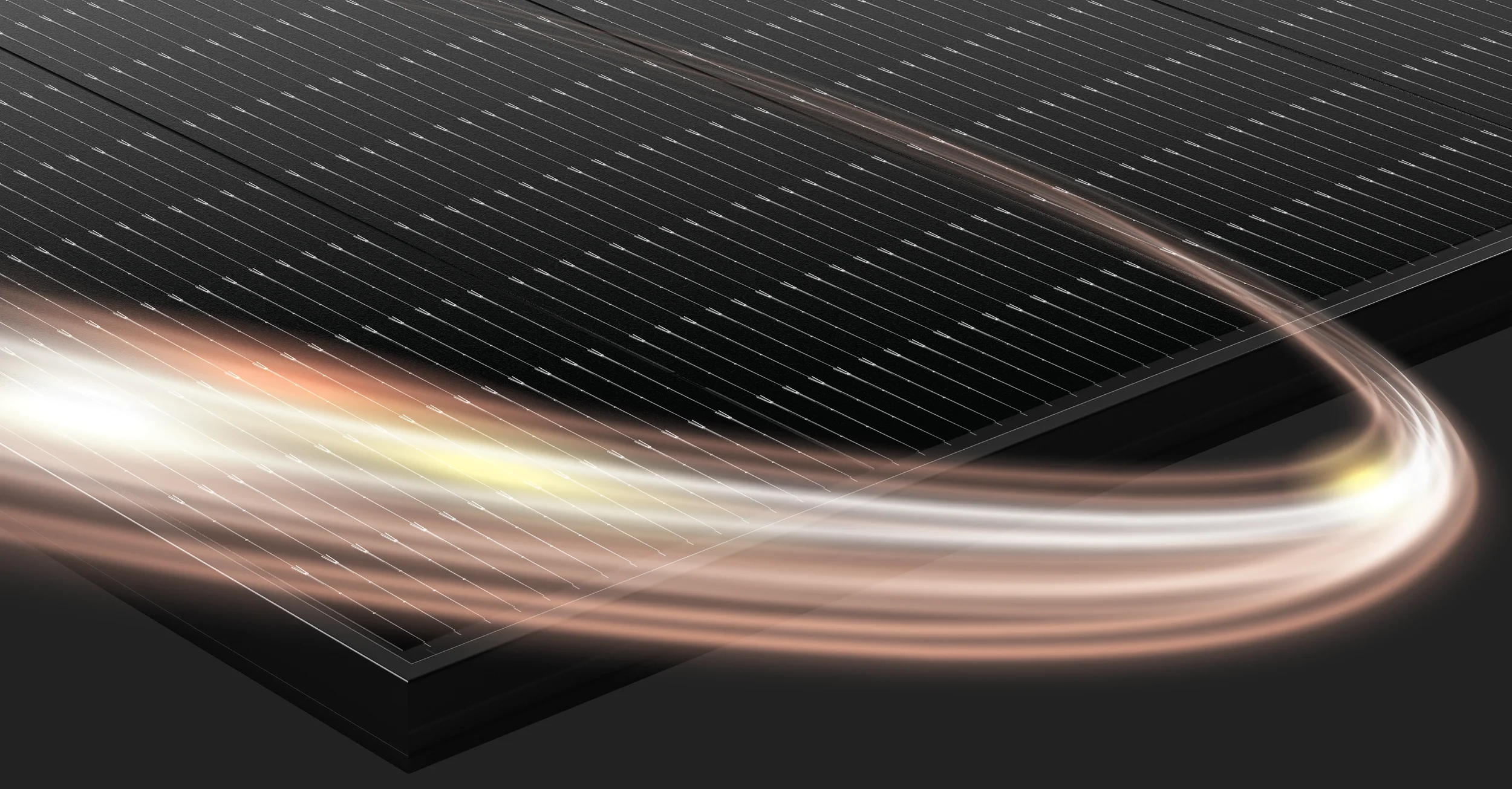
If your roof space is limited, or you want long-term confidence, premium panels can make a big difference.
For example, Maxeon’s documentation includes product/power warranty terms that can extend up to 40 years for applicable modules.
(Exact warranty depends on product and region — but the point is: you’re buying into long-term performance, not short-term hardware.)
What Simple Solar does differently
Some companies give you a quote, then you only hear from them again on install day. That’s not us.
We focus on:
clear advice and straight numbers
tidy installs with proper handover
system planning that’s battery/EV ready
help navigating SEG so you’re not left guessing
A simple “day in the life” of a solar home
Morning: your home runs on what your panels start generating
Midday: you cover most usage, top up the battery (if you have one)
Evening: the battery runs the house through peak-rate hours
Night: you buy less from the grid, and you can schedule EV charging smartly
Why 2026 is a strong time to go solar
There are three big reasons people are moving now:
1) You can lock in strong upfront value
For many residential installs, the temporary 0% VAT rate for energy-saving materials remains in place until 31 March 2027 — which keeps system costs lower while it lasts.
2) Energy independence is worth more than ever
Solar reduces how much you buy from the grid. Add a battery and you can use more of your own power in the evenings too.
3) You can get paid for what you don’t use
With the Smart Export Guarantee (SEG), suppliers pay you for electricity you export. Rates and terms vary by provider and tariff — there’s no single fixed “government rate” — so it’s worth choosing carefully.

Want to know what your roof could do?
Click Get a quote for a free, fixed-price quote, or call 01752 916 013 to speak with the team.