
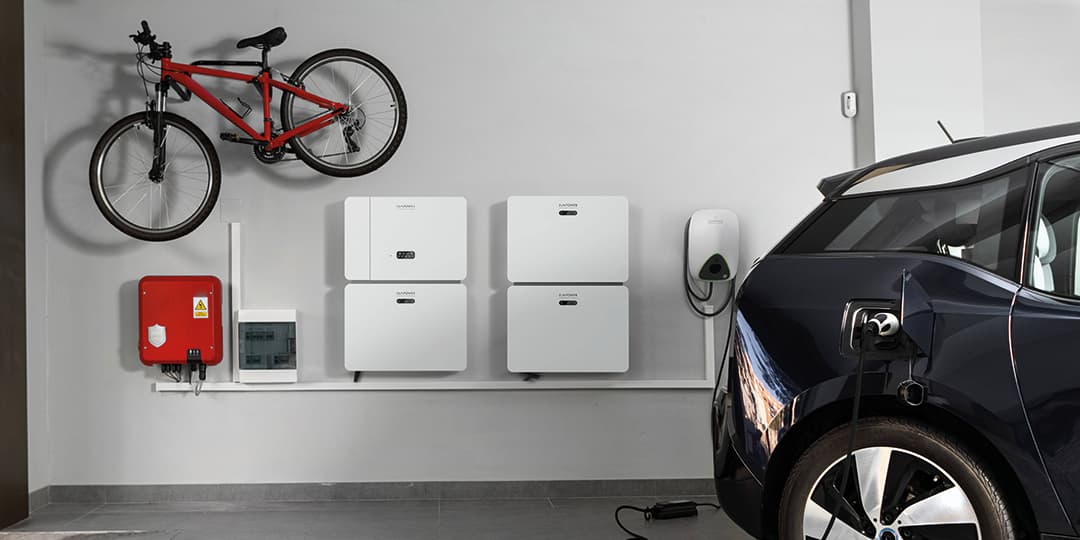
1) Start with how you use electricity (not what you own)
Battery sizing isn’t about how many panels you have. It’s about when you use power.
- If you’re out all day and use most energy in the evening, a battery helps a lot.
- If you use plenty during the daytime, you may need a smaller battery (or none at all).
We’ll use your smart meter data (if available) and your goals to size it properly.
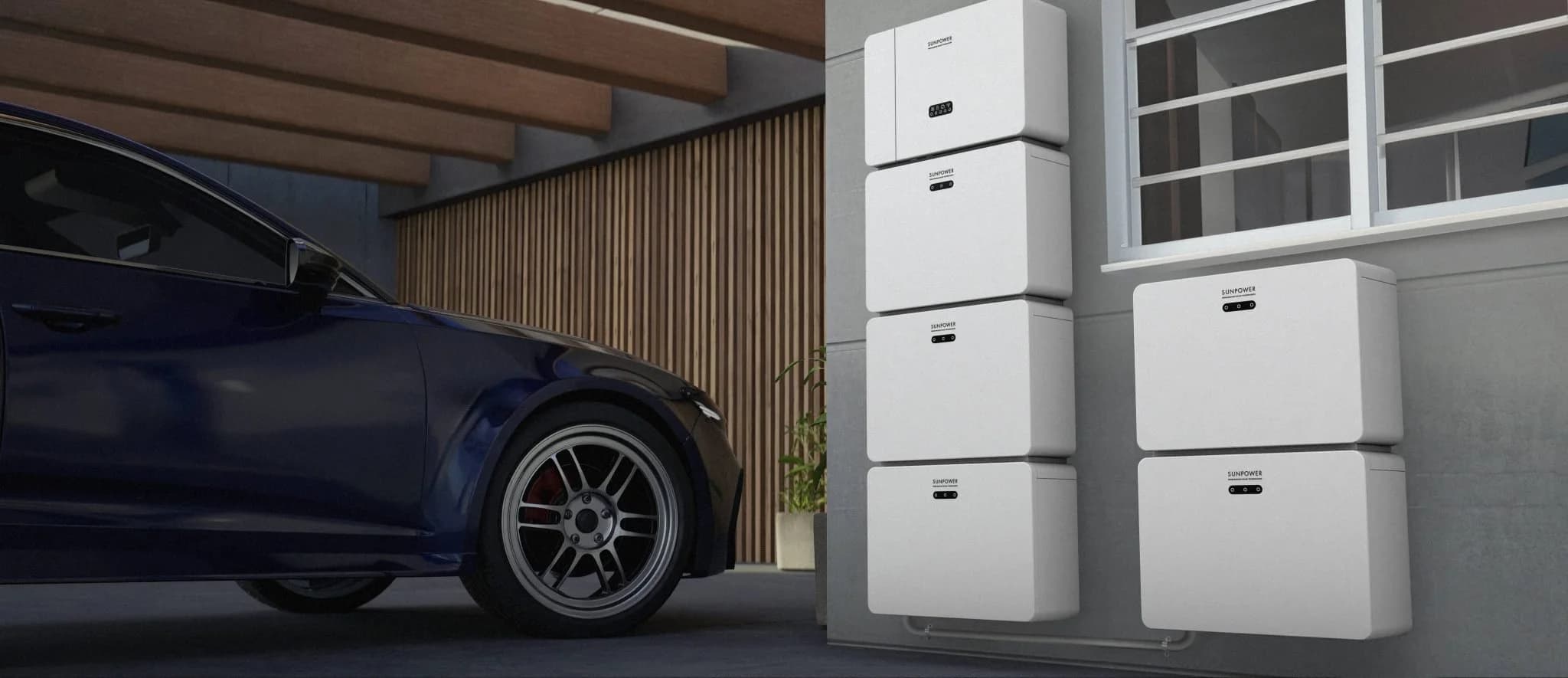
2) Capacity is “kWh” — but power “kW” matters too
Most people compare batteries by kWh (how much they store). Also check kW (how fast they can deliver energy).
Example: a battery can be large enough, but if the power output is too low, it won’t comfortably cover high-load moments like cooking + kettle + washing machine.
We’ll design around your real usage so your battery feels effortless, not restrictive.
3) Decide what you want it to do
Different customers want different outcomes. Pick your priority:
- A) Max savings
- Store daytime solar and use it in the evening to reduce grid imports.
- B) Tariff optimisation
- Charge the battery cheaply overnight (on an off-peak tariff) and use it during peak times.
- C) Backup power (optional)
- Some systems can be designed to keep essential circuits running during a power cut. This requires the right hardware and setup — it’s not automatic on every battery.
Tell us if backup matters to you and we’ll design for it from day one.
4) Think ahead: EVs, heat pumps, and future expansion
If you’re likely to add an EV charger, an air source heat pump, or a second EV later, plan for it now.
Two smart ways to future-proof:
- Choose a modular system you can expand later.
- Choose an inverter setup that won’t block upgrades (battery-ready design).
Even if you start smaller, it’s nice to know you can scale without ripping out half the system.
5) Read the warranty properly (this is where quality shows)
Most reputable batteries come with around 10 years warranty — but the details matter more than the headline.
If a battery looks “too cheap,” the warranty is usually where the corners are cut.
6) Make sure the app and monitoring are actually useful
You don’t need to become an energy nerd — but you do want visibility.
A good setup lets you easily see:
- solar generation
- home usage
- battery charge/discharge
- grid import/export
Some systems add smart features like tariff scheduling and usage optimisation. If you want “set and forget,” we’ll keep it simple. If you want control, we’ll spec the kit that gives you proper tools.
7) Installation location: tidy, safe, and sensible
Most batteries go in a garage, utility room, loft space (sometimes), or a sheltered external wall depending on the model and your layout.
During survey we check:
- safe mounting location
- cable routes
- ventilation / clearance requirements
- aesthetics (yes — it matters)
You’ll get a clean install that doesn’t ruin your space.
8) The best battery is the one that matches your life
There isn’t one “best” battery for everyone.
The right choice depends on:
- your evening usage
- whether you want backup
- tariff strategy
- future upgrades (EV / heat pump)
- budget vs payback goals
At Simple Solar we only recommend storage we’re happy to stand behind, and we’ll explain the trade-offs clearly so you can choose with confidence.
Want a battery quote that’s actually accurate?
We’ll size your system based on your usage and your goals, then give you a free fixed quote with zero pressure.
Click Get a quote for a free, fixed-price quote, or call 01752 916 013 to speak with the team.