
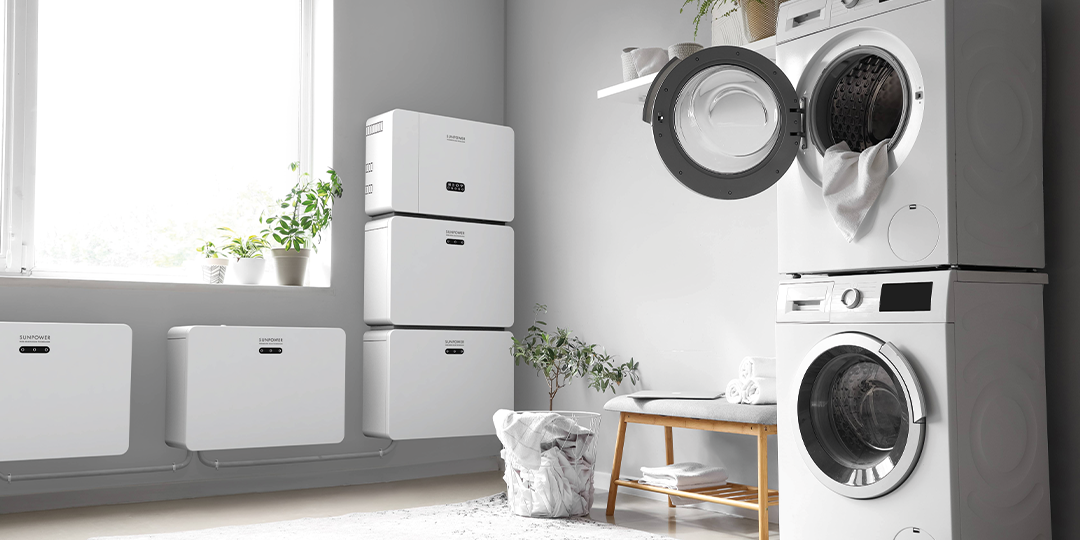
Is battery storage a smart investment in 2026?
Last updated: January 2026
Solar saves money. A battery makes solar work harder.
If you’re exporting lots of daytime solar back to the grid, paying higher evening rates, or you want backup resilience, battery storage can be a genuinely smart upgrade in 2026.
This guide breaks down the real-world value, the costs, and when it does (and doesn’t) make sense.

What kind of savings are typical?
Every home is different, so we always model this properly. But the pattern is consistent:
A battery usually increases how much of your solar you use yourself, which reduces grid imports. That typically means hundreds of pounds a year in additional savings compared to solar-only — depending on your system size, tariff, and usage habits.
And the value tends to improve over time if grid prices rise or you add more electric demand (EV, heat pump, electric cooking).
“Can it pay back in a few years?”
Sometimes, yes — but only in the right scenario (high export, high evening use, smart tariff optimisation, correctly sized battery).
A safer way to think about it is:
A battery is usually a 10+ year asset
The best systems deliver a strong return and a better lifestyle outcome (comfort, control, resilience)
We’ll tell you honestly if the numbers look great — or if you’re better off staying solar-only for now.
Battery costs in 2026 (ballpark)
Battery pricing depends on capacity (kWh), brand, installation complexity, and whether you’re doing it alongside a new solar install or as a retrofit.
As a rough guide:
Smaller batteries (around 5kWh): from the low thousands installed
Mid-size batteries (around 10kWh): typically mid-thousands installed
Larger / expandable systems: higher, depending on layout and goal
The key is sizing it properly. Too small and it fills too quickly. Too big and you pay for capacity you rarely use.

VAT: a genuine reason 2026 is a good time
In the UK, many energy-saving materials and their installation qualify for a temporary 0% VAT rate through 31 March 2027, including solar PV and electrical energy storage batteries in qualifying situations.
(We’ll confirm eligibility for your exact setup and quote accordingly.)
What about SEG export payments?
The Smart Export Guarantee (SEG) is the scheme that pays you for electricity you export to the grid, and it’s offered by licensed suppliers.
A battery doesn’t remove SEG — it gives you choices:
Export when it makes sense for you
Or store and use the energy yourself (often more valuable than exporting)
We can also advise what you’ll need for SEG (metering, paperwork, what to submit).
Backup power: the underrated benefit
Some batteries can be configured for backup (keeping essential circuits running during a power cut). Not all systems include this as standard — it depends on the battery and inverter setup.
If backup is important to you, we design around it from day one.
What does a solar battery actually do?
Your solar panels generate electricity during the day. But most homes use a lot of power in the evening — cooking, heating controls, lights, TVs, showers, EV charging.
A battery stores the spare solar you don’t use straight away, so you can use it later. That means:
Less electricity bought from the grid
More of your solar used in your own home
More control over when you import and export
Think of it as keeping the sunshine you’ve already generated, instead of selling it off cheaply and buying it back later at a higher price.
The biggest reason batteries pay off: evening electricity
Without a battery, many homes export a chunk of solar during the day and then buy grid power after sunset — often at the most expensive time.
With a battery, you cover more of your evening usage with stored solar, which is where the savings usually come from.
Is the return “real”? Yes — but it depends on your usage
Battery storage isn’t a speculative investment. The return comes from straight bill reduction and better energy timing.
Batteries tend to perform best when you have one or more of these:
You’re out during the day (so you export a lot of solar)
You use lots of power in the evenings
You’re on a tariff with expensive peak rates
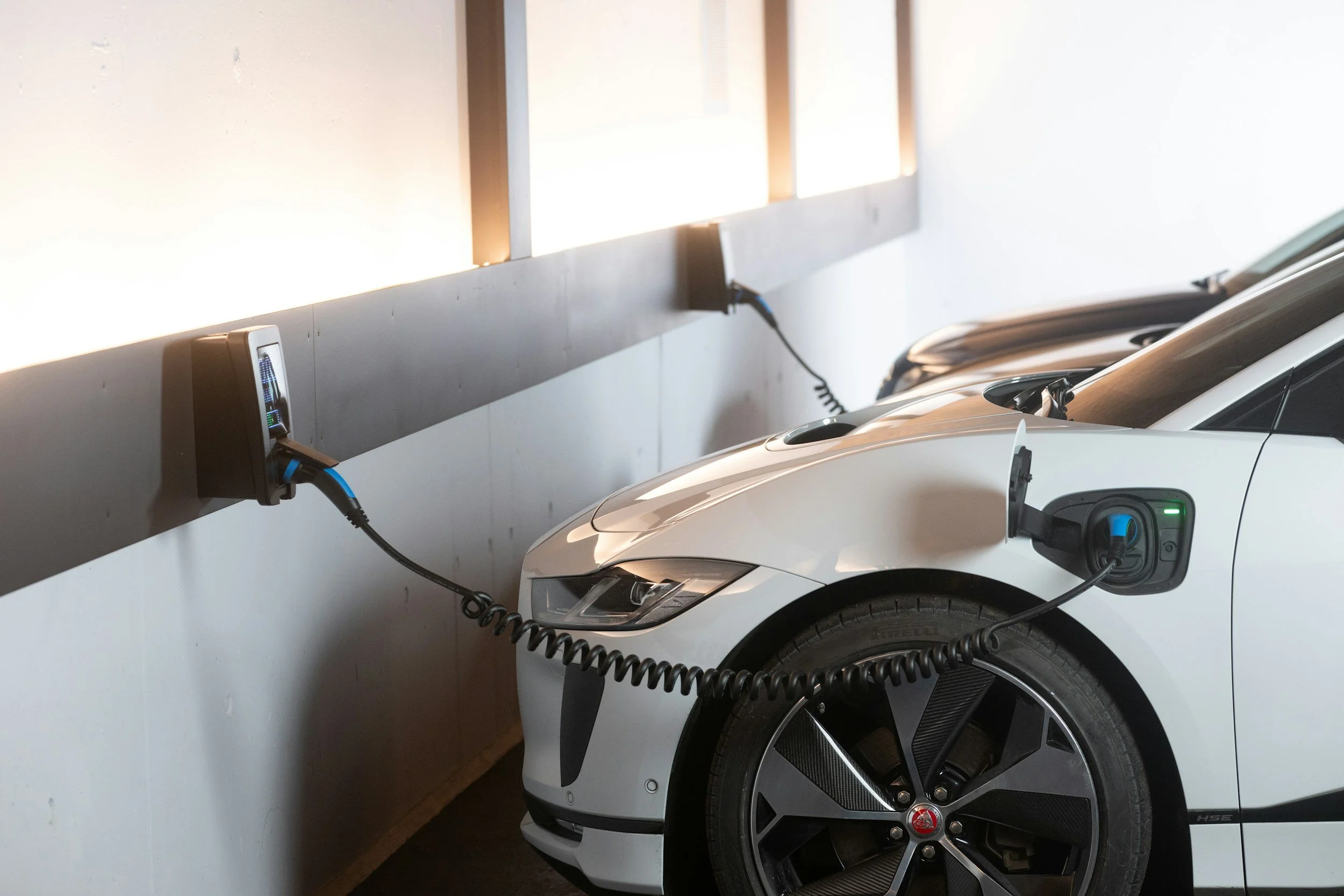
You have (or plan) an EV charger or heat pump
You want backup capability for peace of mind
If you already use most of your solar during the day (work-from-home, high daytime load), a battery can still help — but it may take longer to pay back.
When battery storage might not be worth it
You might be better
going solar-only (for now) if:
You use most of your solar during the day already
Your export rate is unusually strong and your evening import is cheap
Your budget is tight and you’d rather maximise panel performance first
In those cases we often recommend going battery-ready so adding storage later is simple.
Our approach at Simple Solar
We don’t push batteries as “must-have”. We design systems around your real goals:
Lowest bills
Maximum independence
EV readiness
Backup resilience
Future expandability
We install trusted storage options (including SunPower and other proven brands) and we’ll show you the numbers clearly so you can decide with confidence.

Want to see if a battery makes sense for your home?
If you share your rough monthly bill (or smart meter data), whether you’re home in the day, and whether you have an EV (or plan one), we can tell you quickly if battery storage is likely to be a strong win — and size it properly.
Click Get a quote for a free, fixed-price quote, or call 01752 916 013 to speak with the team.