
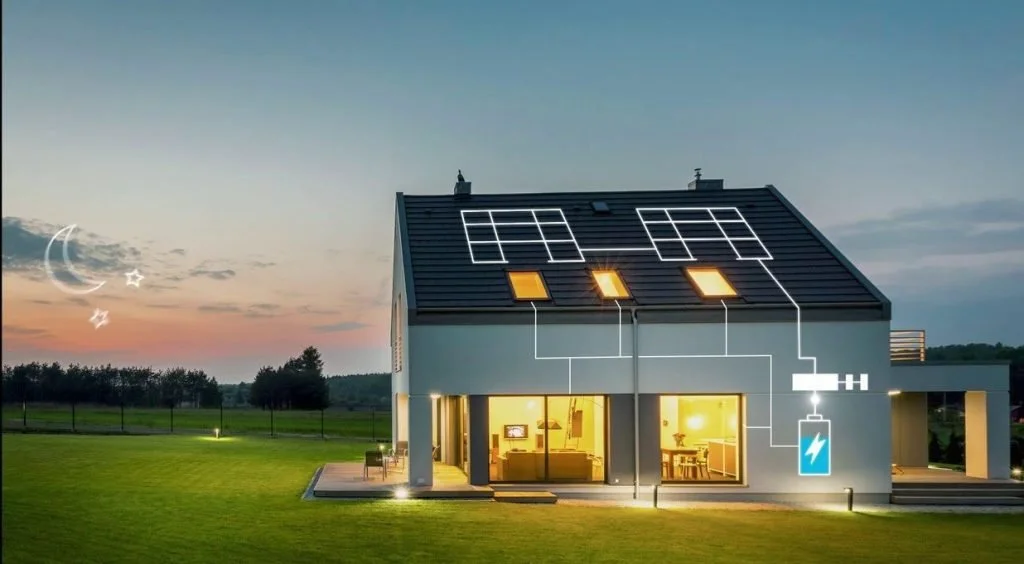
Power after sunset: the full potential of solar
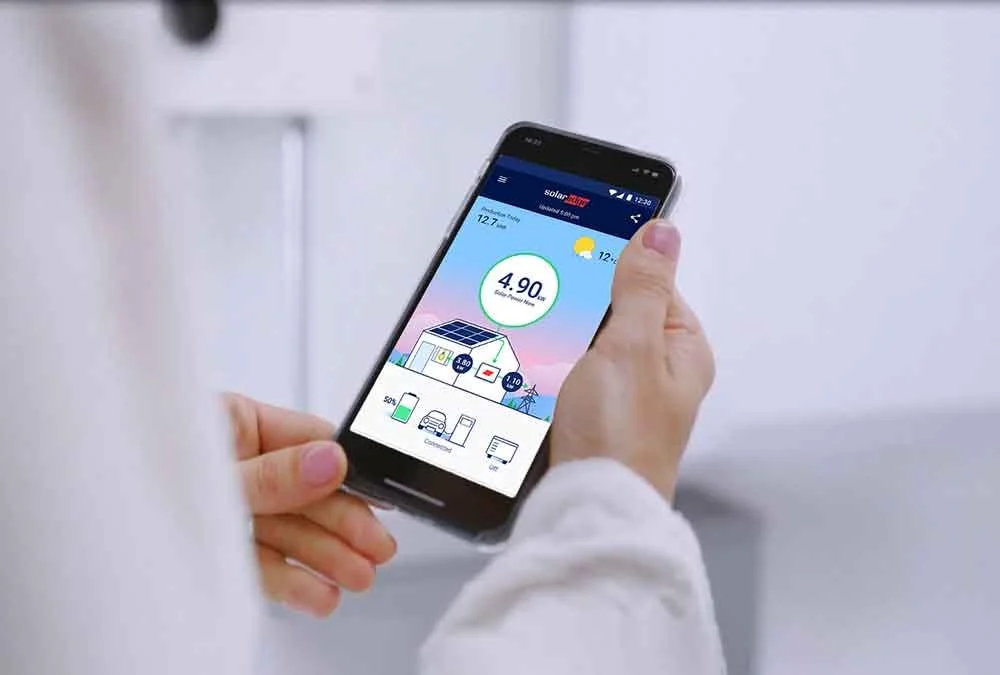
How home batteries unlock day + night savings (2026 update)
It’s 6pm on a cold evening. The sun’s gone. The kettle’s on. The lights are on. Heating is ticking over. And the best part? You’re still running on the energy your roof made earlier.
That’s what solar with battery storage really means: your solar keeps working after dark.
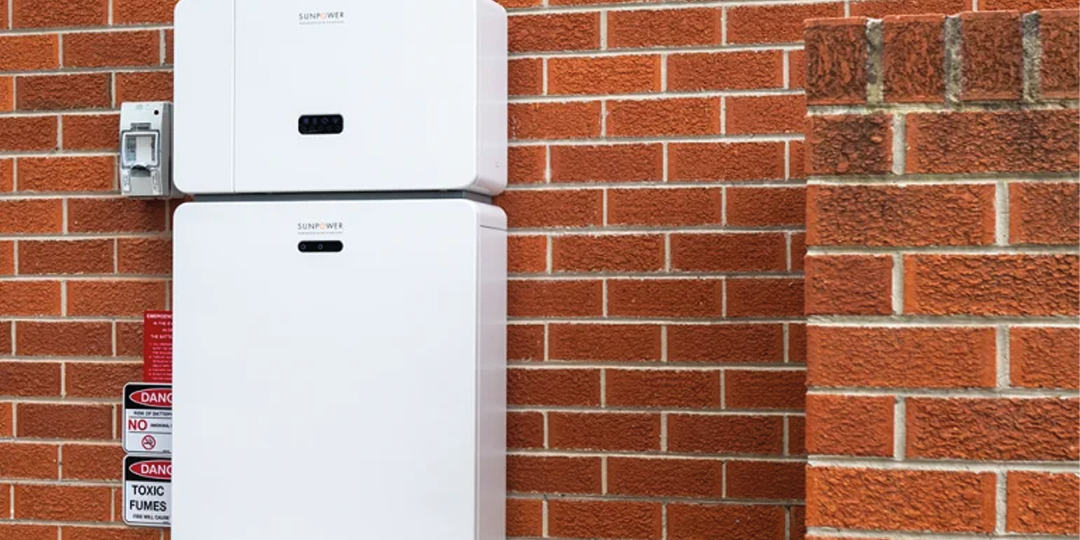
Solar alone is great. Solar + battery is the upgrade.
Solar panels generate most of their power in the middle of the day. But most homes use a big chunk of electricity in the evening.
Without a battery, unused solar is usually exported to the grid. With a battery, you store it and use it later — when electricity is typically more expensive and you actually need it.
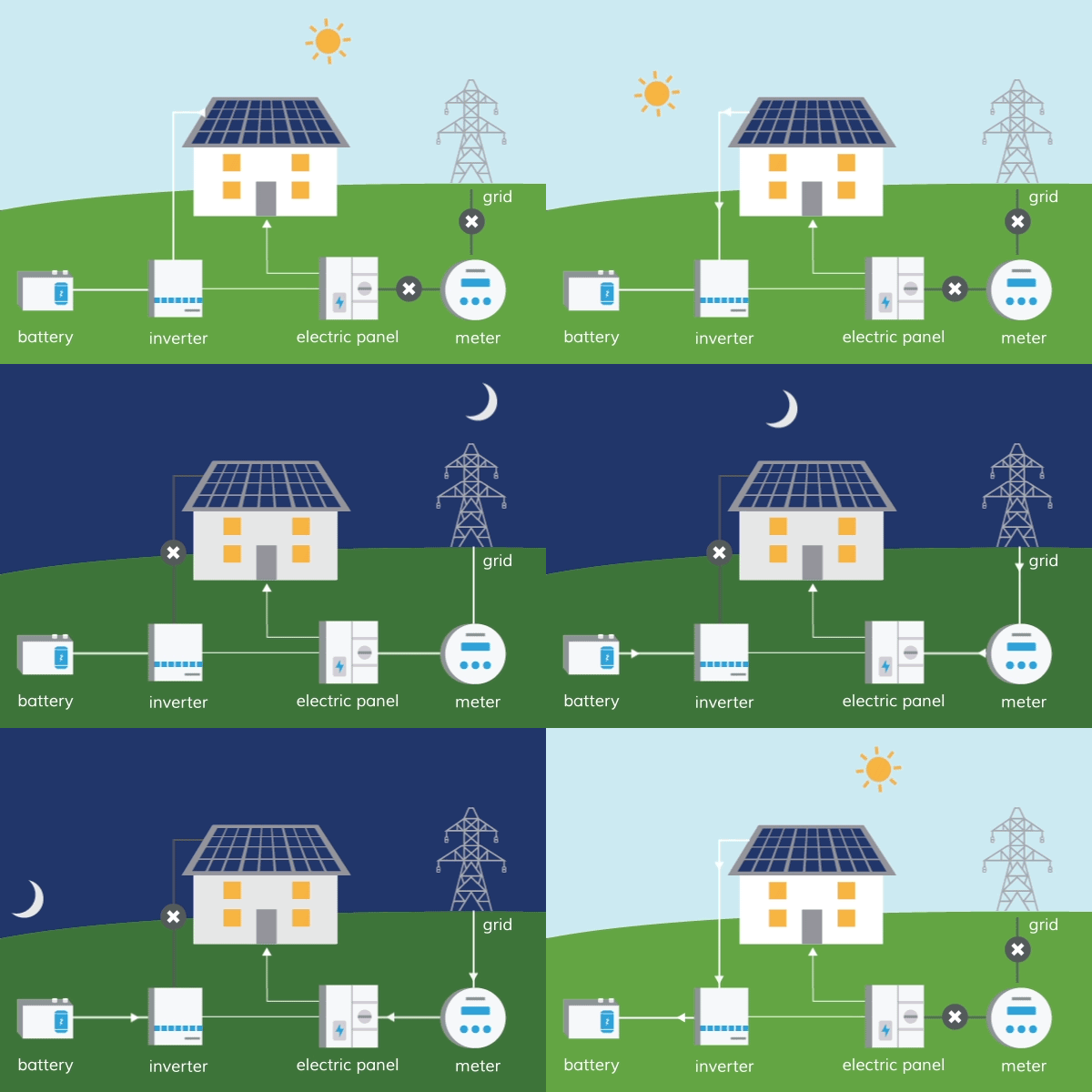
In simple terms:
Daytime: your home runs on solar, and the battery charges with spare power
Evening: your battery powers your home (instead of buying from the grid)
Night: depending on your setup, you can top up from cheap off-peak tariffs too
What a home battery actually does for you
1) More of your solar stays in your home
A battery increases “self-consumption” — meaning you use more of the power you generate.
2) You avoid peak-rate electricity
Instead of buying expensive evening electricity, you use what you stored earlier.
3) You can combine solar with smart tariffs
Many customers do a blend: solar by day, battery in the evening, and optional off-peak top-ups overnight.
4) Backup power (if you choose it)
Not every battery provides backup as standard, but if resilience matters (rural areas, medical equipment, home working), we can design a system that keeps essential circuits running during outages.
5) You can still export through SEG — on your terms
The Smart Export Guarantee (SEG) pays you for exported electricity, and it’s available via licensed suppliers.
A battery can help you choose when to export (or keep energy for yourself), depending on your goals.
A “real day” with solar + battery
Here’s what it looks like in practice:
07:00 — Morning
The battery covers the early demand while solar ramps up.
12:00–15:00 — Peak generation
Your home runs on solar first, then the battery fills with surplus.
18:00–22:00 — Peak demand
The battery supplies your home through the expensive evening window.
Overnight — Optional off-peak top-up
If you’re on a smart tariff, the system can top up cheaply (and save stored solar for higher-value times).
Battery options we install (matched to the property)
At Simple Solar we don’t push a “one battery for everyone” approach. We size and spec the system around:
your usage pattern
your roof output
whether you want backup
whether you plan EV charging / heat pumps later
the space you have (garage, utility, exterior wall)
We commonly fit systems built around trusted platforms including FoxESS (modular LFP storage with strong cycle-life specs) and Powervault (popular UK-market storage with scalable capacity options).
If you have specific needs (larger storage, commercial-style control, advanced hybrid setups), we can design around alternative inverter/battery ecosystems too.
The part most installers skip: sizing it properly
The best battery isn’t “the biggest”. It’s the one that fits how you live.
We typically model:
average daily usage (and when you use it)
how much solar you’re likely to export without a battery
realistic evening demand (cooking, heating, appliances, EV)
winter performance expectations (shorter days, lower generation)
Then we recommend a size that makes sense financially, not just technically.
Bottom line
If solar is the generation, battery storage is the control.
It helps you:
use more of your own power
cut evening grid imports
reduce exposure to price swings
add resilience (if you want backup)
make your solar system feel “complete”
Why batteries matter even more going into 2026
UK households are going solar in record numbers, and the wider energy system is also leaning heavily into storage. The UK battery storage market has scaled rapidly — RenewableUK reported 6,872MW operational battery storage capacity and a much larger pipeline in the UK (as of September 2025).
At the same time, UK solar deployment has been hitting new highs through 2025, including record rooftop installation months.
For homeowners, the takeaway is simple: storage is becoming the normal “next step” for getting the most value from solar.

Want a battery quote that’s actually accurate?
We’ll design your solar + battery system around your roof, your usage, and your future plans — with clear numbers and zero pressure.
Click Get a quote for a free, fixed-price quote, or call 01752 916 013 to speak with the team.