

LAST UPDATED
29 September 2026
ARE SOLAR PANELS WORTH IT IN RETIREMENT COSTS, SAVINGS AND WHAT TO CONSIDER
Retirement often changes how you think about your home. You may be spending more time there, planning improvements, or looking for ways to make your regular outgoings easier to manage.
Electricity bills are an obvious place to start. They keep arriving long after the commuting costs have stopped, and the price you pay remains largely outside of your control.
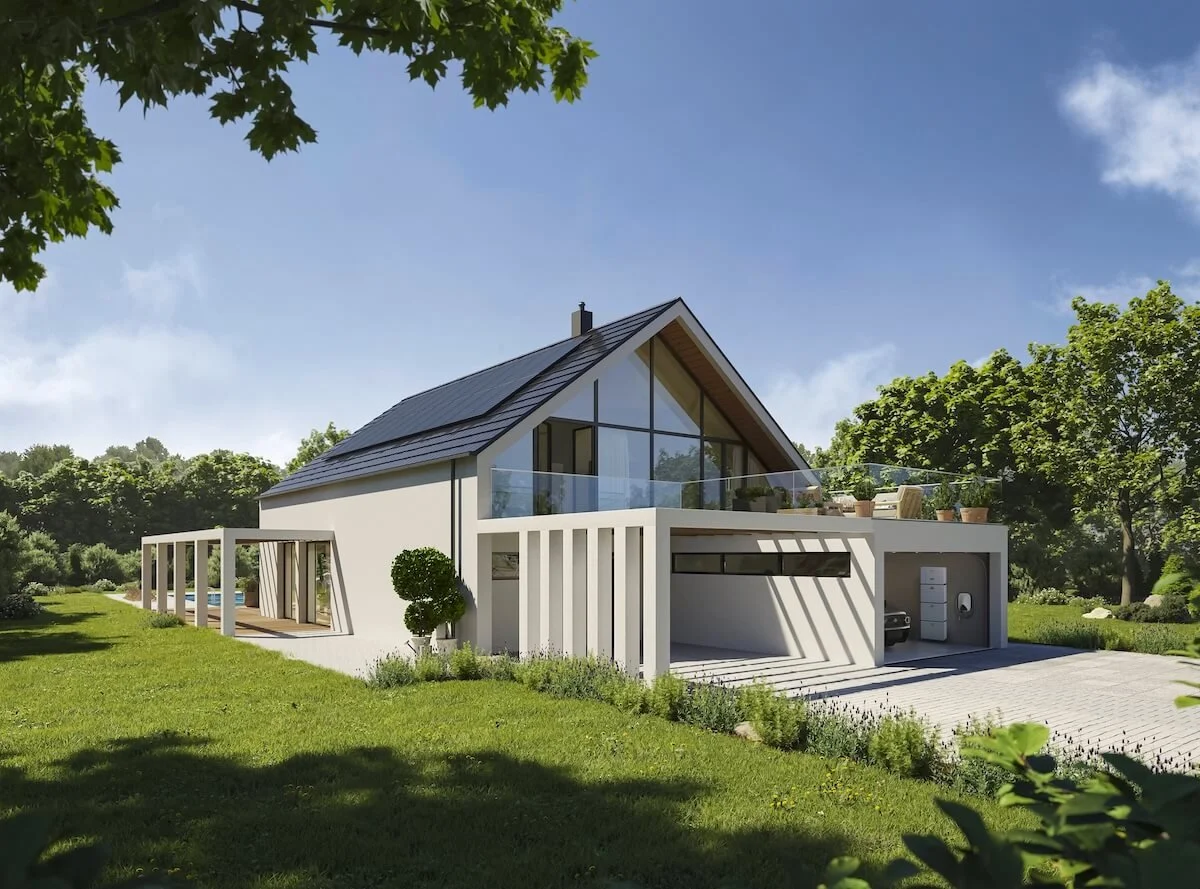
Solar panels offer a way to buy less electricity from your supplier by generating some of your own. But installing them involves an upfront cost, so it is sensible to ask whether the benefits will justify the money you put in.
Solar panels can be worthwhile in retirement, particularly if your home is suitable, you expect to stay for several years, and the installation fits comfortably within your budget.
The decision should come down to your circumstances and a clear assessment of costs and savings. This guide explains what to consider, where a battery might help, and which questions to ask before committing.
Why Consider Solar When You Retire?
- ✓Replace an ageing boiler
- ✓Improve the insulation
- ✓Deal with the windows
- ☀Solar panelsNext step?
When you are planning for retirement, making your home cheaper to run can be just as relevant as making it more comfortable.
Perhaps you have already replaced an ageing boiler, improved the insulation, or dealt with the windows. Solar panels belong in that wider conversation about preparing your home for the years ahead.
Its appeal is straightforward: you pay for a system now, then use the free electricity it generates over time.
If you are reviewing your retirement budget, the natural next question is:
Would spending this money on my home reduce future bills enough to make it worthwhile?
The answer will depend on the property, the proposed system, and how you live. A good quotation should help you weigh those things up without relying on dramatic predictions about future energy prices.
View our solar panelsCan Solar Fix Your Electricity Costs?
- ✓Replaces units you would otherwise buy
- ✓Can power a heat pump for part of the day
- ✕Still need some grid electricity in winter
- ✕Standing charges still apply
Solar can reduce your exposure to electricity price rises, but it does not give you a permanently fixed bill.
Each unit of solar electricity you generate and use replaces a unit you would otherwise need to buy. You will usually still need electricity from the grid, particularly during winter, and standing charges also apply.
Your heating costs need to be considered as well. Solar panels generate electricity; they do not directly replace the gas or oil used by a conventional boiler. However, if you have a heat pump, solar panels can power the heat pump for part of the day.
Explore heat pumpsThe realistic aim is to reduce the amount of energy you have to purchase. That can give you more control over your outgoings, while leaving room in your budget for the bills that remain.
How Being Home During the Day Can Help
Retirement may change when you use electricity.
You might prepare lunch at home, run the dishwasher in the afternoon, or put a wash on while you are around to hang it out. Some of that activity can coincide with the hours when your solar panels are generating.
Using solar electricity as it is produced can improve its value to you. How much generation you use yourself is one of the main factors affecting savings.
That does not mean you have to organise your retirement around the weather forecast! It means asking the installer to design a system that reflects your typical routine.
If you spend much of the day out, travel frequently, or plan to be away for several weeks over summer, say so. A savings estimate based on someone being at home every day may not be accurate.
What Will the Installation Cost?
A smaller 6-panel, 3 kWp solar panel system costs around £4,500 with Simple Solar, going up to about £6,500 for a large 6 kWp solar array.
Your own price will depend on the equipment, the installation and any associated work.
Ask for a written quotation that clarifies what is included: panels, inverter, scaffolding, electrical work, monitoring, warranties and any battery.
- Panels
- Inverter
- Scaffolding
- Electrical work
- Monitoring
- Warranties
- Any battery
It is also worth checking whether your roof is suitable for solar panels and whether it needs attention before installation. If repairs are likely soon, discuss them at the survey stage so you can assess the full cost of the project.
Above all, choose a budget for solar that you are comfortable with. A lower electricity bill is less reassuring if paying for the installation leaves too little available for other priorities.
How Long Will Solar Panels Take to Pay for Themselves?
The solar panel payback period is the estimated time it takes for the financial benefit to match the installation cost.
For a simple starting calculation:
Installation cost ÷ annual bill savings and export income = simple payback period
For example, suppose an installation costs £5,500 and delivers £800 a year through a combination of lower electricity bills and export payments. Its simple payback would be 6.9 years. These are illustrative figures, not a quotation or a forecast.
A reputable proposal should explain the assumptions behind its figures. The Renewable Energy Consumer Code (RECC) requires members’ financial estimates to be provided in writing and based on the customer’s actual energy use and pattern of use. See the RECC Consumer Code for more details.
Ask the installer to show:
- How much electricity the system is expected to generate.
- How much you are expected to use at home.
- How much is expected to be exported.
- Which electricity and export rates underpin the calculation.
- Whether future price rises or replacement costs have been included.
Keep bill savings and export income separate. They both contribute to the financial benefit, but export payments do not necessarily reduce the bill sent by your electricity supplier.
What Happens to Electricity You Do Not Use?
Surplus electricity can be exported to the grid. Eligible installations in Great Britain can receive payments through the Smart Export Guarantee, usually shortened to ‘SEG’.
There is no single government-set export rate. Suppliers set their own rates and contract terms, so the tariff you choose affects the income you receive.
Our Smart Export Guarantee guide explains how export payments work. Ask how to arrange them and what documents you will need. Do not assume they start automatically when the panels are switched on.
When comparing tariffs, consider the cost of the electricity you buy as well as the payment for electricity you sell.
Read our SEG guideShould You Add a Battery?
Home battery storage lets you store electricity for later use. It can keep some of your daytime solar generation available for the evening, and suitable systems can also charge using cheaper off-peak grid electricity.
That flexibility may be useful, but the extra investment needs its own assessment.
Ask for two options: solar on its own and solar with a battery. Compare the additional cost with the additional expected saving, taking account of export income you would otherwise receive.
The right answer is the arrangement that suits your home, budget and priorities.
Explore battery storageIs 65 Too Late to Install Solar Panels?
Can anyone be too old to have solar panels?!
A better question is whether the expected benefits fit your plans for the home. If you have recently retired, intend to stay, and can comfortably afford the installation, it is reasonable to explore a solar panel installation.
Thinking of downsizing?
If you expect to downsize in two or three years, look more closely at how much benefit you would receive before moving. Avoid building the decision around an assumed increase in the sale price of the house.
Check the payback against your plans
Compare the proposed payback period with your likely plans, while recognising that plans can change.
Decide what ‘worthwhile’ means to you
It can also help to ask yourself what would make the purchase feel worthwhile: the financial return, lower ongoing bills, using renewable electricity, or a combination of those things. Being clear about that makes competing quotations easier to judge.
What About Maintenance and Replacement Costs?
Solar panels are generally very low maintenance, but the different parts of a system do not all have the same lifespan.
Energy Saving Trust says panels should last 25 years or more – the SunPower panels we recommend are warrantied for 30-40 years – while an inverter may need replacing after around 12 years. Those are general expectations, rather than guarantees for every product.
Ask what the warranties cover, whether labour is included and who you contact if something stops working.
If you choose a battery, check its warranty and expected lifespan separately. A battery will generally need replacing before the panels do.
Discover SunPower panelsA proper handover matters, too. Before the installer leaves, you should know how to check that the system is working and how to get help.
A Real Retirement Solar Story
[ EDITORIAL PLACEHOLDER: DAN OR BEN’S CUSTOMER CASE STUDY ]
Reserve approximately 200-300 words and space for a customer or installation photograph.
To include: the customer’s retirement circumstances and location; why they chose solar; the installation date and system details; how they use electricity; and their experience of living with the system.
Where available, add measured generation, grid use and export payments for a clearly stated period. Distinguish measured results from estimated annual savings, and include a customer-approved quotation.
[ END OF CASE STUDY PLACEHOLDER ]
Can Pensioners Get Help With Solar Panel Costs?
Being retired does not automatically qualify you for free solar panels.
However, some households may be eligible for support. In England, the Warm Homes: Local Grant can fund improvements including solar panels, depending on household eligibility, the property, local funding, and the outcome of a survey.
The scheme covers privately owned homes with an Energy Performance Certificate rating of D, E, F or G. Eligibility can relate to income, certain benefits or your postcode. Check the current rules on GOV.UK.
Making a Decision You Feel Comfortable With
A proper solar proposal should leave you able to explain the purchase in your own words: what it costs, what it is expected to save, and what could change those figures.
For retirement in particular, keep these questions in view:
- 01Does the installation fit comfortably within my budget?
- 02Are the savings based on how I actually live?
- 03How does the payback compare with my plans for the home?
- 04Does a battery justify its additional cost?
- 05Are the warranties, future costs and aftercare clear?
You do not need certainty about the next 25 years to make a sensible decision. You do need figures you understand and assumptions you are comfortable with.

Find Out What Solar Could Do for Your Retirement Home
If you are approaching retirement or already enjoying it, a free home assessment can help you understand whether solar deserves a place in your plans.
At Simple Solar, we can discuss your property, electricity use and priorities, then explain the installation options and estimated savings.
Whether you are considering panels alone or adding battery storage, the starting point is your home and what you want to achieve.
Get in touch now with our friendly energy team to discuss your options.
AUTHOR