
Energy price cap update (Jan–Mar 2026): what it means for your bills

The January 2026 price cap is rising — solar can help you reduce what you buy from the grid.
Energy price cap update (Jan–Mar 2026): what it means for your bills
If your electricity bill has felt like it changes every time you blink, you’re not imagining it. Ofgem has confirmed the energy price cap will rise by 0.2% for January to March 2026, which is a small increase for the average household.
What is the price cap, really?
The cap applies to the default tariff (often called the Standard Variable Tariff). It’s a limit on the unit rates and standing charges suppliers can bill — it’s not a “maximum total bill” for everyone, because your usage still matters.
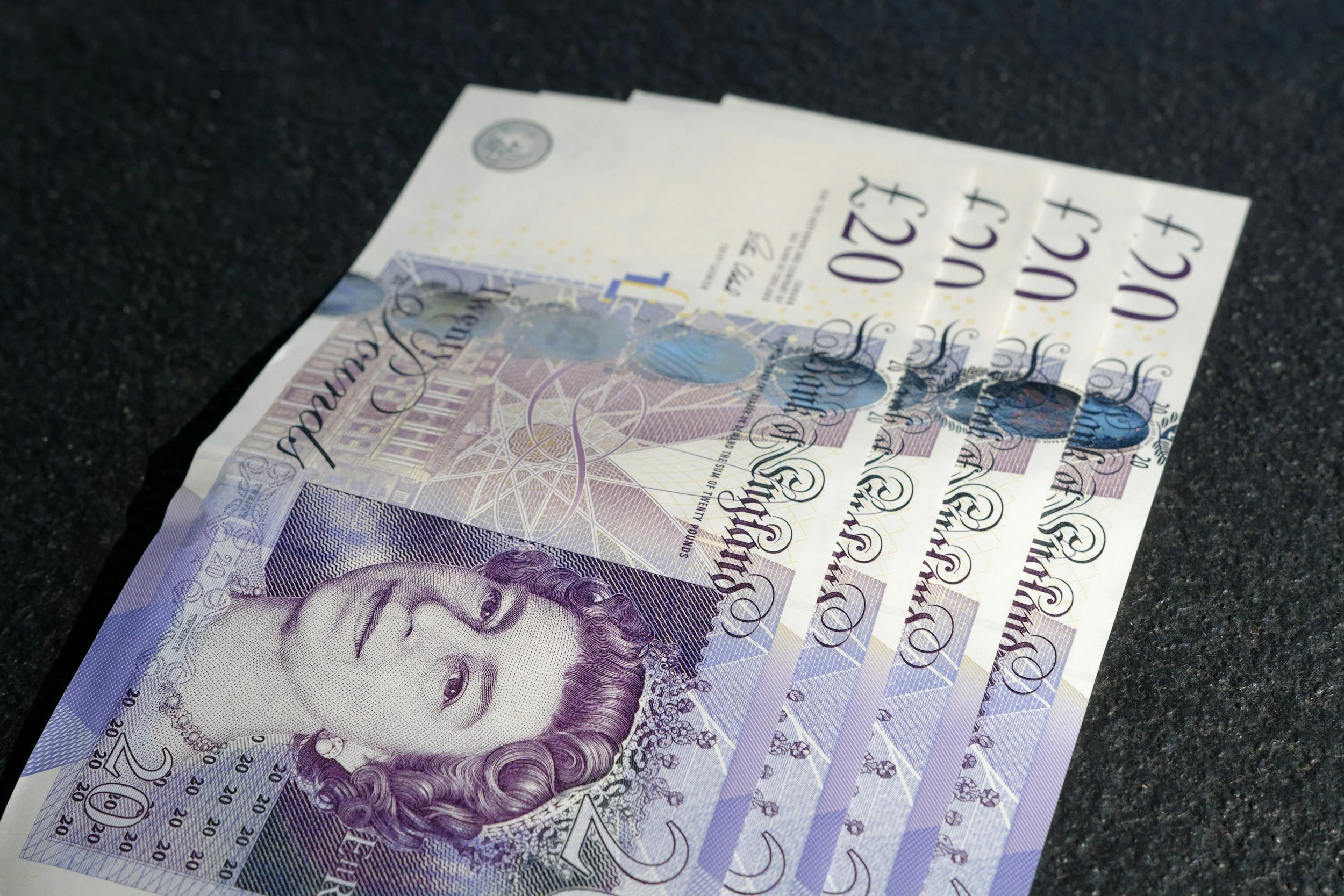
Energy price cap update (Jan–Mar 2026): The Ofgem cap brings changes to unit rates and standing charges – here’s what it means for your household bills and how solar + battery can help shield you from future rises.
So what does it mean in pounds?
Ofgem says an average dual-fuel household paying by Direct Debit would be £1,758 per year on the cap for this period.
Why this matters for solar customers (and future solar customers)
Price caps move. Wholesale costs move. Standing charges move. That’s the point: the grid is still unpredictable. Solar helps because it lets you make (and use) more of your own electricity instead of buying everything at whatever the rate is that quarter.
And if you add a battery, you can push that further by using stored energy in the evening — often when electricity feels most painful.
What you can do next (simple options)
If you’re on the default tariff, it’s worth checking if a fixed deal suits you (even short-term).
If you’re thinking about solar, this is exactly why people do it: less exposure to price swings and more control over day-to-day costs.

Use a solar savings calculator to see how installing panels now (with 0% VAT until March 2027) can offset rising energy costs and protect your bills long-term.
If you want, we can run a quick design and savings estimate based on your roof and usage. No pressure, just clear numbers.
