
Solar + Battery + Smart Tariffs in 2026: How to cut your bill without changing your lifestyle
Smart tariffs are having a moment. More suppliers are pushing time-of-use plans, apps, and “smart” automation. That’s good news if you’ve got solar — and even better if you’ve got a battery.
The big shift is simple: your electricity price isn’t “one price” anymore. It changes depending on time of day, demand, and how your tariff is structured. If you can control when you buy and when you use electricity, you can make your home feel a lot more predictable.
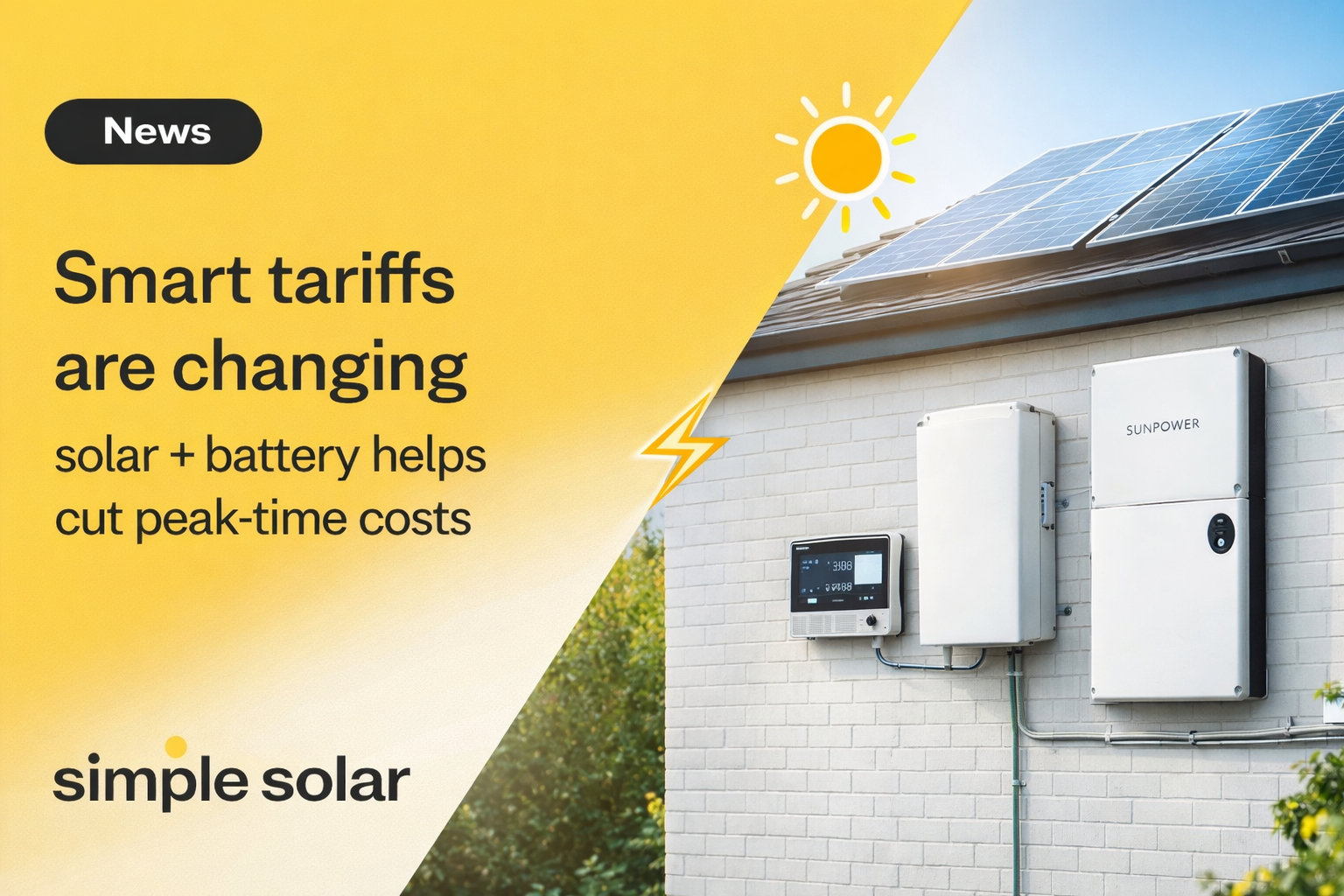
Energy prices moving again. Solar helps you take control — and cut what you buy from the grid.
What this means for a typical home
If you have solar panels only, you save most when you use power during the day. But evenings and mornings still lean on the grid.
If you add battery storage, you get three advantages:
Store daytime solar and use it after sunset.
Charge the battery during cheaper periods and use it when electricity is pricier.
Reduce peak-time grid use without changing your lifestyle.
It’s basically energy timing, without living like a monk.

Simple Solar team member Dan Barnes standing on a roof during a solar installation, with mounting rails visible behind him.
The “simple setup” we recommend for most households
We aim for a setup that runs itself:
Solar covers daytime usage first.
Battery soaks up surplus solar.
Battery can top-up from the grid only when it’s genuinely worthwhile.
Export stays optional — we can tune it depending on your supplier and goals.
You don’t need to stare at an app all day. The app is there if you want insight, not because you need it.
Already have solar? This is the upgrade people are asking about
A lot of homeowners installed panels and then stopped. Now they’re realising the missing piece is storage.
If you already have solar, we can assess:
whether your current inverter is battery-ready
what battery size actually fits your evening usage
whether backup power is important for your home
In many cases, you can add a battery without replacing your entire system.
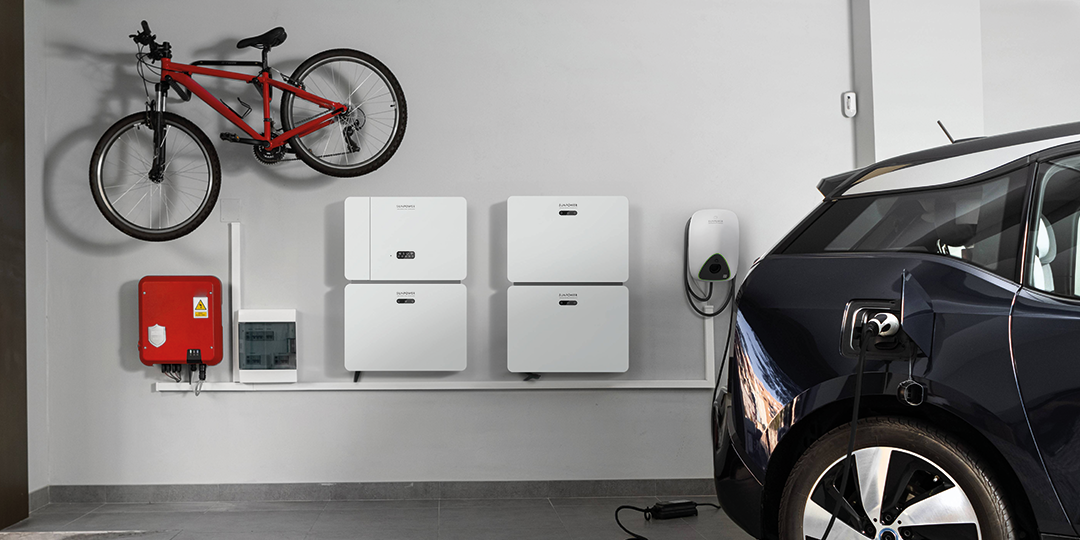
Solar + Battery + Smart Tariffs in 2026: How to cut your bill without changing your lifestyle – store excess solar energy, charge your EV overnight on cheap rates, and export when prices peak, all automatically for maximum savings.
Quick reality check: is this worth it for you?
Battery storage tends to make most sense if:
you’re home more in the evenings
you use a fair bit of electricity year-round
you’re on (or considering) a smart tariff
you want more control and less reliance on the grid
If your usage is very low, or you’re rarely home, we’ll tell you straight.
Want us to sanity-check your numbers?
We’ll look at your roof, usage, and tariff goals and tell you what’s worth doing (and what isn’t).
Call 01752 916 013 or hit Get a quote for a quick, fixed-price quote.
