

LAST UPDATED
19 June 2026
SOLAR PANEL INSTALLERS IN TAVISTOCK
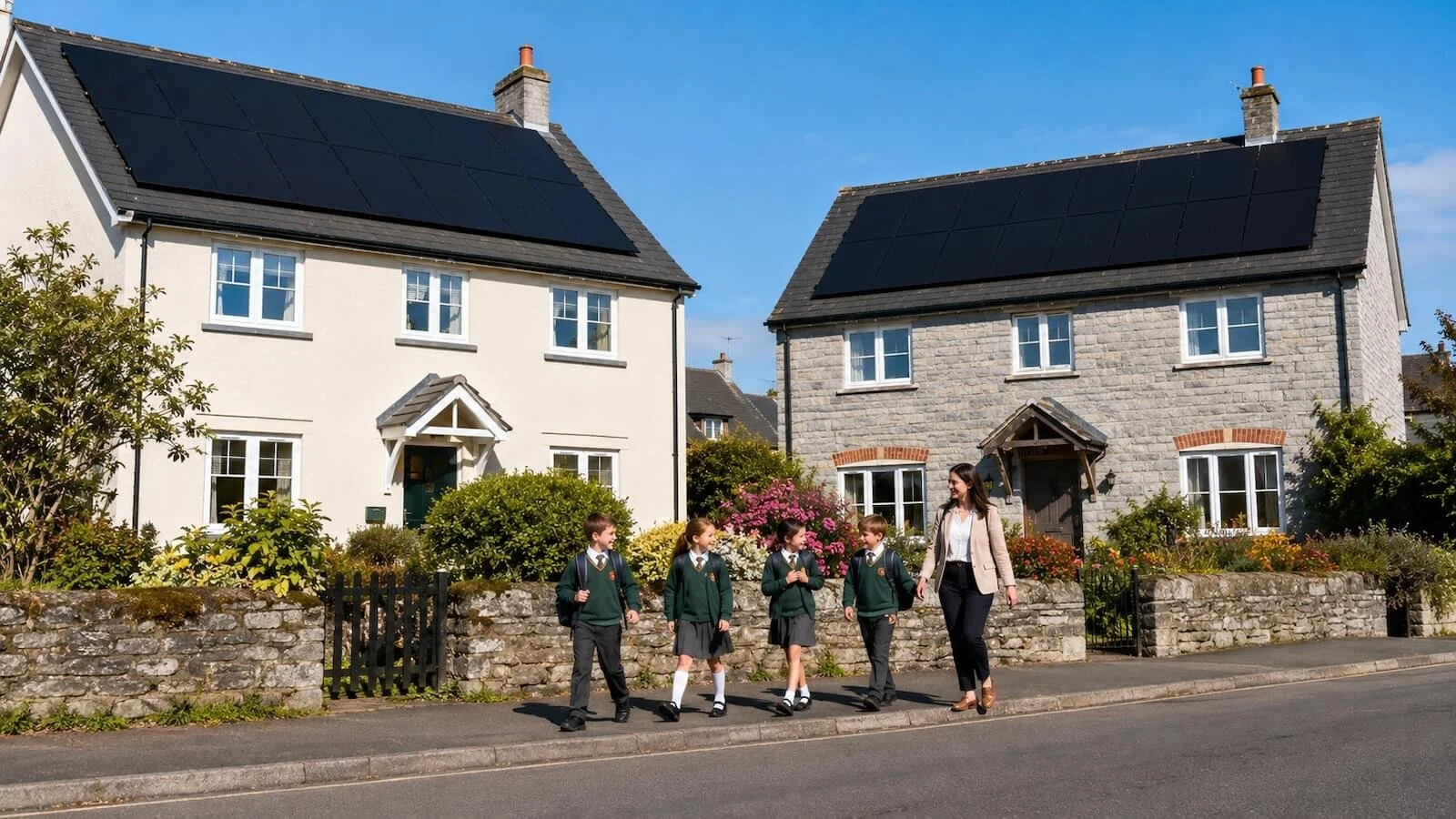
If you’re comparing solar panel installers in Tavistock, you will have noticed a pattern: plenty of national brands claim to cover the town, yet very few could point to it on a map.
Simple Solar is different. We are an MCS-certified solar panel, battery storage and heat pump installer based in Plymouth, and West Devon is home territory for us.
This guide gives you everything you need to make a confident decision: honest answers on how solar performs in our West Devon weather, clear local pricing with no quote-form games, planning guidance for Tavistock's conservation area and listed buildings, and what it takes to pair solar panels with battery storage or an air source heat pump. By the end, you will know exactly what solar could do for your home and what it will cost.

Table of contents
TO SOLAR

Why Tavistock Homes Are Well Suited to Solar Panels
The South West enjoys some of the highest levels of solar irradiance in the UK, and Tavistock sits comfortably within that sweet spot. A well-designed system here will typically outperform an identical one installed in the Midlands or the north of England, simply because more daylight energy reaches the panels over the course of a year.
Tavistock's housing mix works in your favour, too. The town's Victorian and Edwardian terraces, post-war semis, modern estates on the edges of town and rural properties out towards Dartmoor all present great roofs for solar; each simply calls for a different design approach.
Period homes around the town centre often carry natural slate, and while slate demands more care than concrete tile, it is entirely suitable for solar installations when the correct mounting equipment and fixings are specified at the survey stage.
Roof orientation matters less than many homeowners assume. South-facing roofs remain the ideal, but east-west arrays now perform strongly thanks to modern high-efficiency panels: they spread generation across the morning and evening, which often matches household consumption better than a single midday peak.
Do Solar Panels Work in West Devon's Weather?
Let’s deal with the elephant in the room. Tavistock, sitting on the western edge of Dartmoor, is one of the wetter towns in England, and "will solar even work here?" is the question we hear most often.
The answer is yes, and the reason is simple: solar panels generate electricity from daylight, not just direct sunshine. They keep producing on overcast days, albeit at reduced output, and our region's strong overall irradiance more than compensates for its rainfall.
A typical 4 kWp system in the South West generates around 3,800 kWh of electricity a year, roughly in line with the annual consumption of a medium-sized household.
The rain even earns its keep: regular showers wash dust, pollen, and debris from the panels, helping them maintain peak performance with minimal maintenance.
How Much Do Solar Panels Cost in Tavistock?
We publish our prices because we think you should not have to fill in a form to find out what a solar panel system costs.
The table below shows our standard residential solar-only pricing, using around 500W panels. VAT on residential solar installations is currently 0%, and that saving is already reflected in these figures.
| System size | Number of panels | Estimated annual output | Price (0% VAT included) |
|---|---|---|---|
| 3 kWp | 6 panels | around 2,850 kWh | £4,500 |
| 4 kWp | 8 panels | around 3,800 kWh | £5,500 |
| 5 kWp | 10 panels | around 4,750 kWh | £6,000 |
| 6 kWp | 12 panels | around 5,700 kWh | £6,500 |
Battery storage is priced separately and depends on the model and capacity you choose; we will include it as a clearly itemised option in your quote.

What Affects the Price of Your Installation?
Every roof is different, which is why the survey matters. The main factors that move a quote up or down are:
System size: more panels mean more generation, but also more mounting equipment and a larger inverter.
Roof covering: natural slate, common on Tavistock's period homes, takes longer to work with than concrete tile and needs specialist fixings.
Scaffolding access: terraced streets and rear extensions can make access more involved.
Electrical works: older properties occasionally need a consumer unit upgrade before a system can be connected safely.
Your written quote will itemise all of this, so there are no surprises on installation day.
Cut Your Bills Further with Battery Storage
Solar panels generate most of their electricity in the middle of the day; most households use most of theirs in the morning and evening.
A home battery closes that gap. Instead of exporting your surplus for a modest payment and buying electricity back at full price after dark, you store it and use it yourself.
Without storage, a typical household uses only a fraction of what its panels generate directly. With a well-sized battery, self-consumption can rise dramatically, and so do the savings.
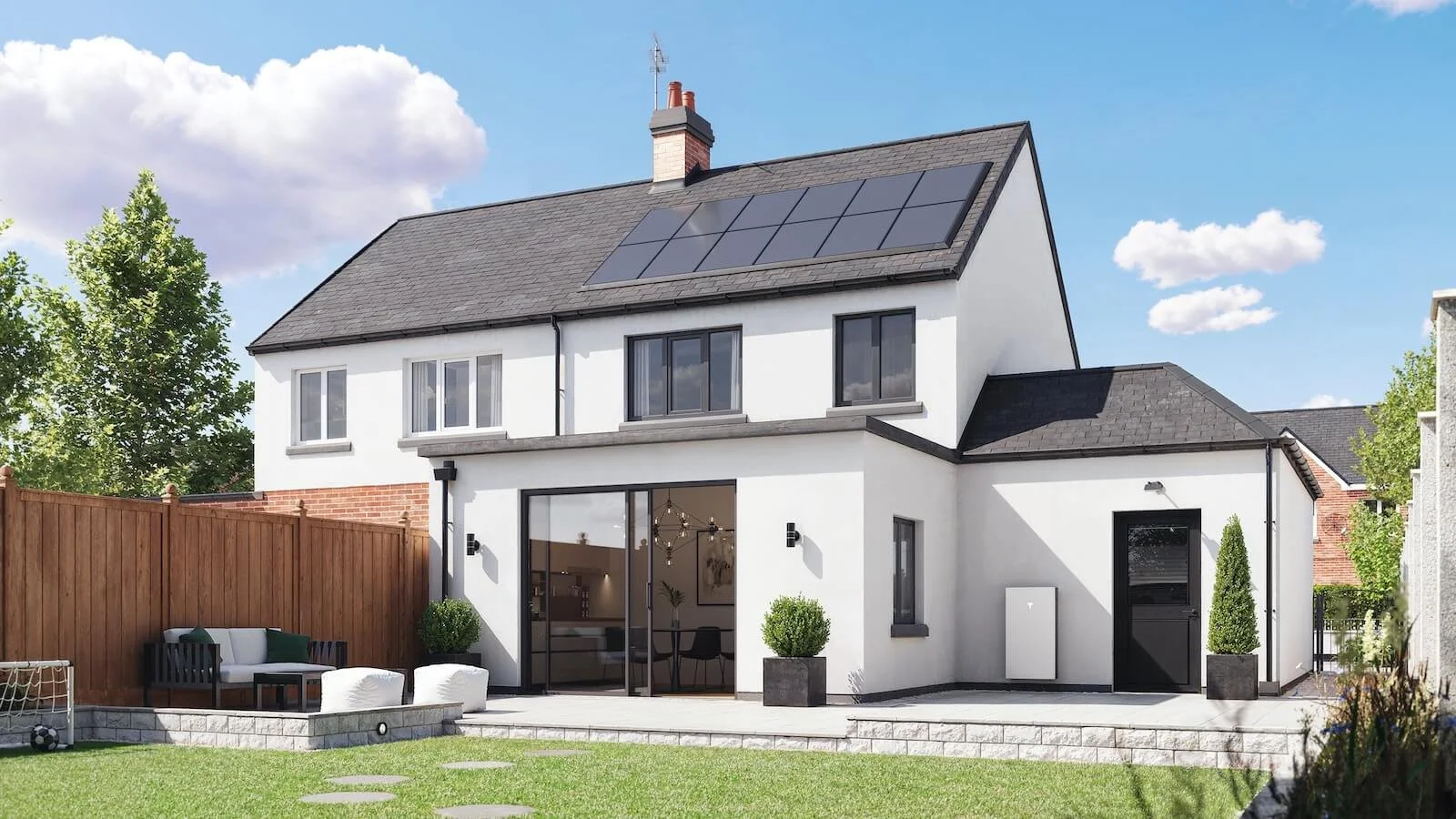
Simple Solar is a certified Tesla Powerwall installer, and the Tesla Powerwall 3 is our recommended home battery: 13.5 kWh of usable storage, an integrated solar inverter, and whole-home backup capability. That last point matters more here than in most places – when winter storms roll off Dartmoor and the power goes out in the villages, a Powerwall can keep your lights, heating controls, and broadband running.
Getting Paid for Your Spare Electricity: The Smart Export Guarantee
Even with a battery, there will be summer days when your system generates more than you can use or store. The Smart Export Guarantee (SEG) ensures that surplus is never wasted.
Here is how it works. Once your installation is complete, you receive MCS certification: the paperwork that proves your system was installed to the required standard. You then sign up to a SEG tariff with a SEG-licensed energy supplier of your choice, and that supplier pays you for every unit of electricity you export to the grid.
Export rates vary between suppliers and change over time, but around 12p/kWh is a market-typical figure at present, and it pays to shop around.
To be clear on the mechanics: SEG payments come from your chosen energy supplier, not from your installer. Our job is to make sure you leave with the MCS certificate and documentation that unlock those payments.
Solar panels in Tavistock
Planning Permission for Solar Panels in Tavistock
For many homes in Tavistock, the answer is reassuringly simple: roof-mounted solar panels are classed as permitted development, so no planning application is needed provided the installation meets the standard conditions. These include not installing panels above the highest part of the roof, excluding chimneys, and not projecting more than 200mm from the roof slope or wall surface.
Tavistock is not most towns, though. Its mining heritage, conservation areas and Dartmoor setting mean there are situations where the rules tighten. It pays to know which one applies to your home before you settle on a particular design.
Conservation Areas and the World Heritage Site
Tavistock’s historic core is a designated conservation area, and parts of the town fall within the Cornwall and West Devon Mining Landscape World Heritage Site.
For homes in a conservation area or World Heritage Site, solar panels are still often permitted development, but extra restrictions apply. In particular, panels must not be fitted to a wall that fronts a highway, and installations must meet the normal limits on projection, roof height and siting.
Flat-roof installations in designated areas may also need prior approval, and listed buildings, scheduled monuments, Article 4 Directions and unusual site layouts may require separate checks with the local planning authority.
If your home sits in or near the town centre, the sensible first step is to check West Devon Borough Council’s planning guidance or speak to its planning team.
Listed Buildings
Tavistock has a wealth of listed buildings, and the rules here are stricter. Installing solar panels on a listed building requires listed building consent. Consent is not impossible, but panels on a prominent principal roof slope can be harder to justify, especially where they would affect the character or appearance of the building.
Where the main roof is not suitable, a ground-mounted array or an installation on an outbuilding may sometimes be considered, but these options still need careful planning and heritage checks, particularly where the building or land sits within the grounds of a listed building or scheduled monument. These projects can require more patience.
Homes Near Tavistock Within Dartmoor National Park
Homes on Tavistock’s eastern edge and in nearby villages such as Mary Tavy, Peter Tavy and Horrabridge may fall within Dartmoor National Park. In these cases, the planning authority is the Dartmoor National Park Authority rather than West Devon Borough Council.
Solar panels are still often possible in Dartmoor National Park, but the same permitted development limits must be met, including the 200mm projection rule and the requirement not to install panels above the ridgeline. Extra restrictions can also apply where the property is in a conservation area, is listed, sits within the curtilage of a listed building, has a flat roof installation, or is affected by other local planning controls.
Solar panels and heat pumps
Pair Solar Panels with an Air Source Heat Pump
A growing number of our Tavistock customers are not stopping at solar. By combining solar panels, battery storage and an air source heat pump, you can move your whole home – lighting, appliances, heating and hot water – onto electricity you largely generate yourself.
We call it “whole-home electrification”. Installing a heat pump in Devon, alongside solar panels, can bring useful financial benefits, as we will explore below.
How it works
How Heat Pumps and Solar Panels Work Together
An air source heat pump runs on electricity, which is precisely what your solar panels produce. Every unit of solar power your heat pump consumes is a unit you did not buy from the grid, so the two technologies compound each other's savings.
Add a battery and the effect extends into the evening; add smart controls and the heat pump can be scheduled to heat your hot water cylinder while the sun is doing the work.
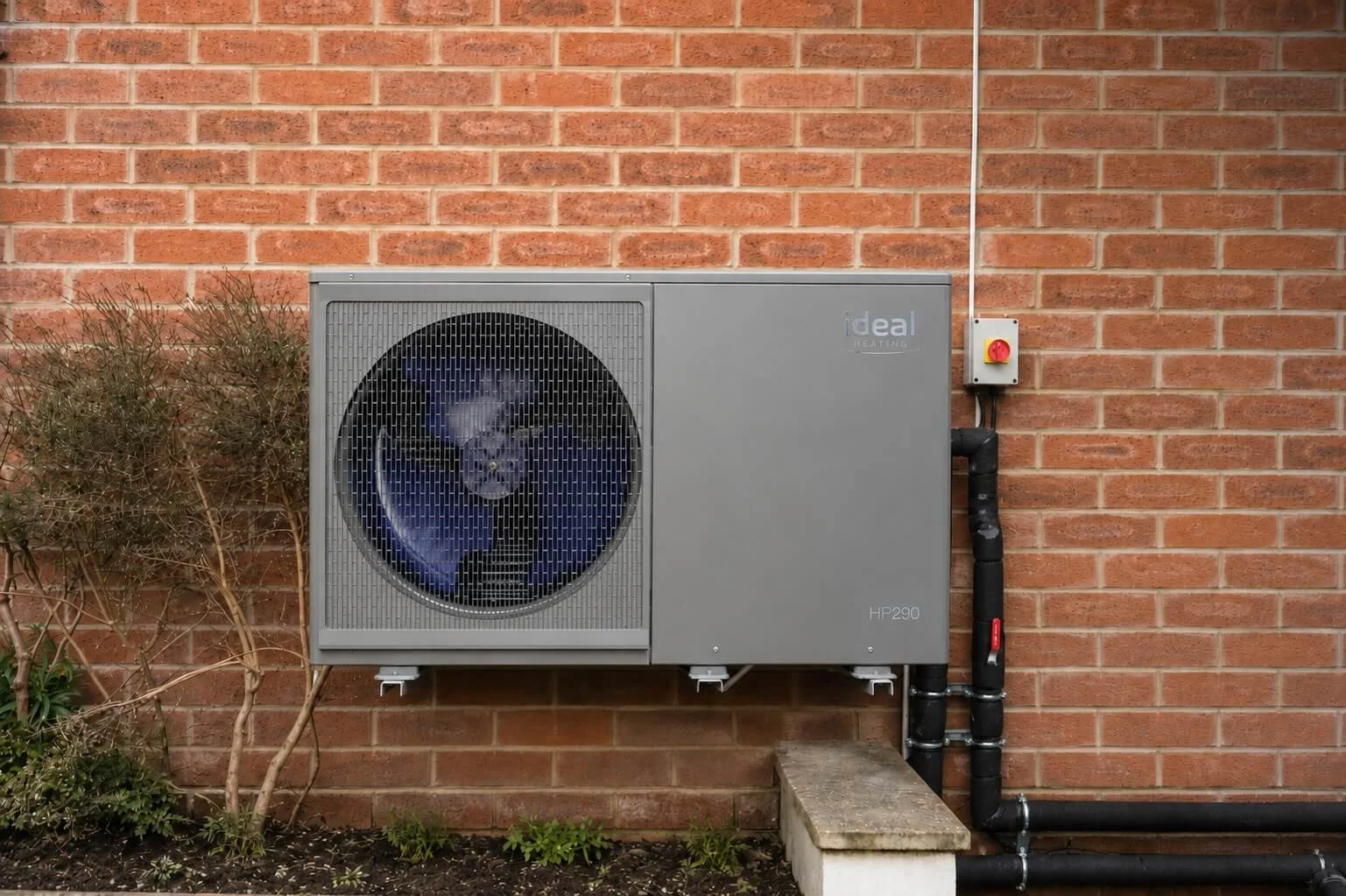
Our recommended air-to-water heat pump model is the Ideal Heating Logic HP290, a quiet, high-efficiency unit well suited to the mix of property types around Tavistock.
Heat pump grants
Heat Pump Grants: The Boiler Upgrade Scheme
The Boiler Upgrade Scheme (BUS) currently provides a £7,500 grant towards the cost of an air source heat pump in England and Wales. The grant is deducted from your quote upfront; there is no need to claim anything back yourself.
There is better news coming for some households: from 21 July 2026, the grant rises to £9,000 for properties currently heated by oil or LPG. If that is you, the timing of your project could be worth thousands.
Oil and LPG homes
Off the Gas Grid Around Tavistock?
Off-gas-grid properties heated by oil or LPG are especially common in the villages around Tavistock: places such as Mary Tavy, Peter Tavy, Lamerton, Milton Abbot and Gulworthy.
If you are facing another winter of oil deliveries and unpredictable tank top-ups, a heat pump paired with solar is the most direct route off that treadmill, and the enhanced grant makes the sums more attractive than they have ever been.
We have published a dedicated guide to replacing oil or LPG heating with a heat pump, including how the grant works and what to expect from the switch.
Thinking about replacing oil or LPG heating?
Read the grant guide
Areas we
cover around
Tavistock
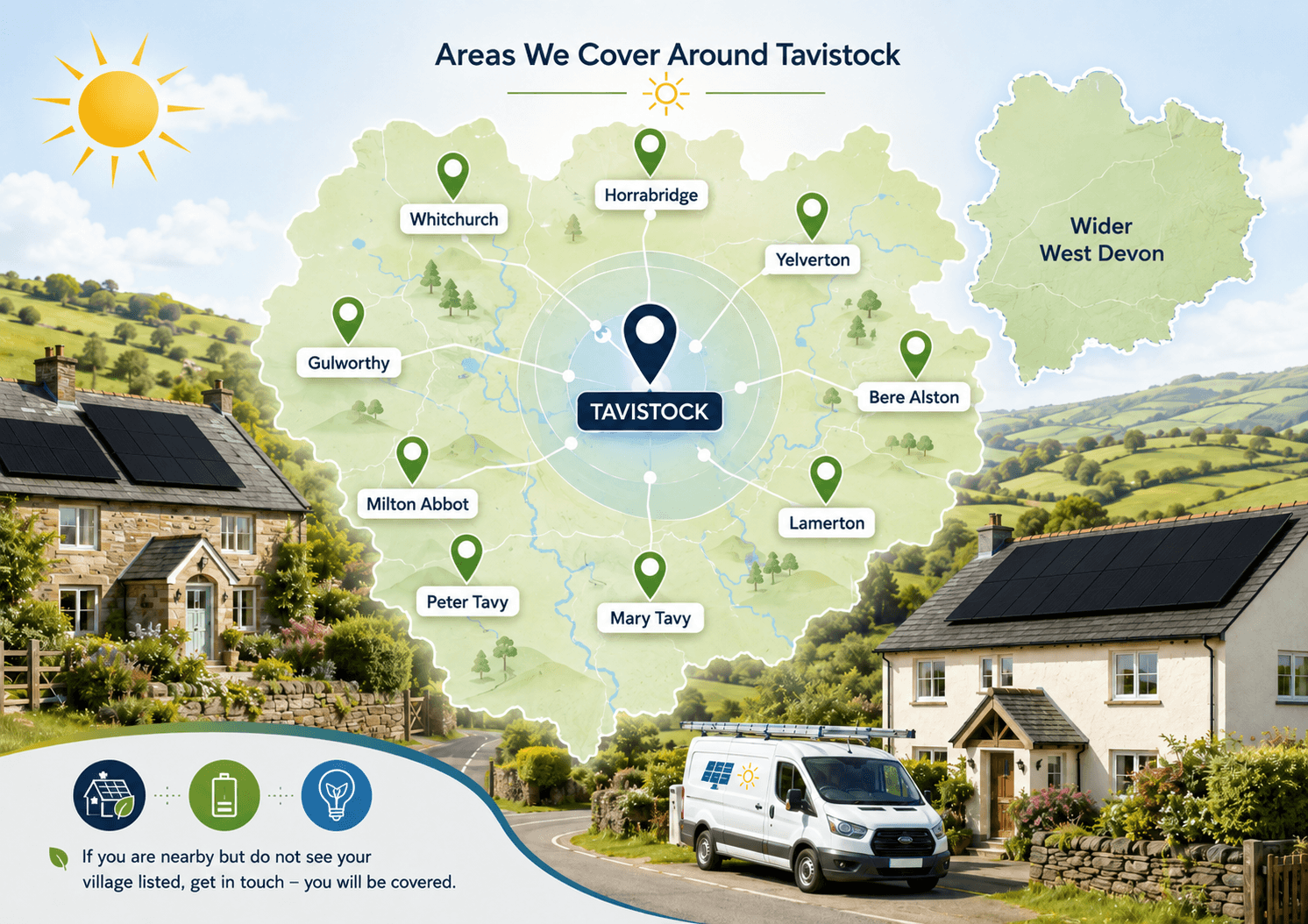
As well as Tavistock itself, we install across the surrounding towns and villages, including Whitchurch, Horrabridge, Yelverton, Bere Alston, Lamerton, Mary Tavy, Peter Tavy, Milton Abbot and Gulworthy, along with the wider West Devon area.
Why Choose Simple Solar?
Tavistock homeowners have no shortage of search results to wade through. Here is what sets us apart from the national lead-generation brands occupying most of them:
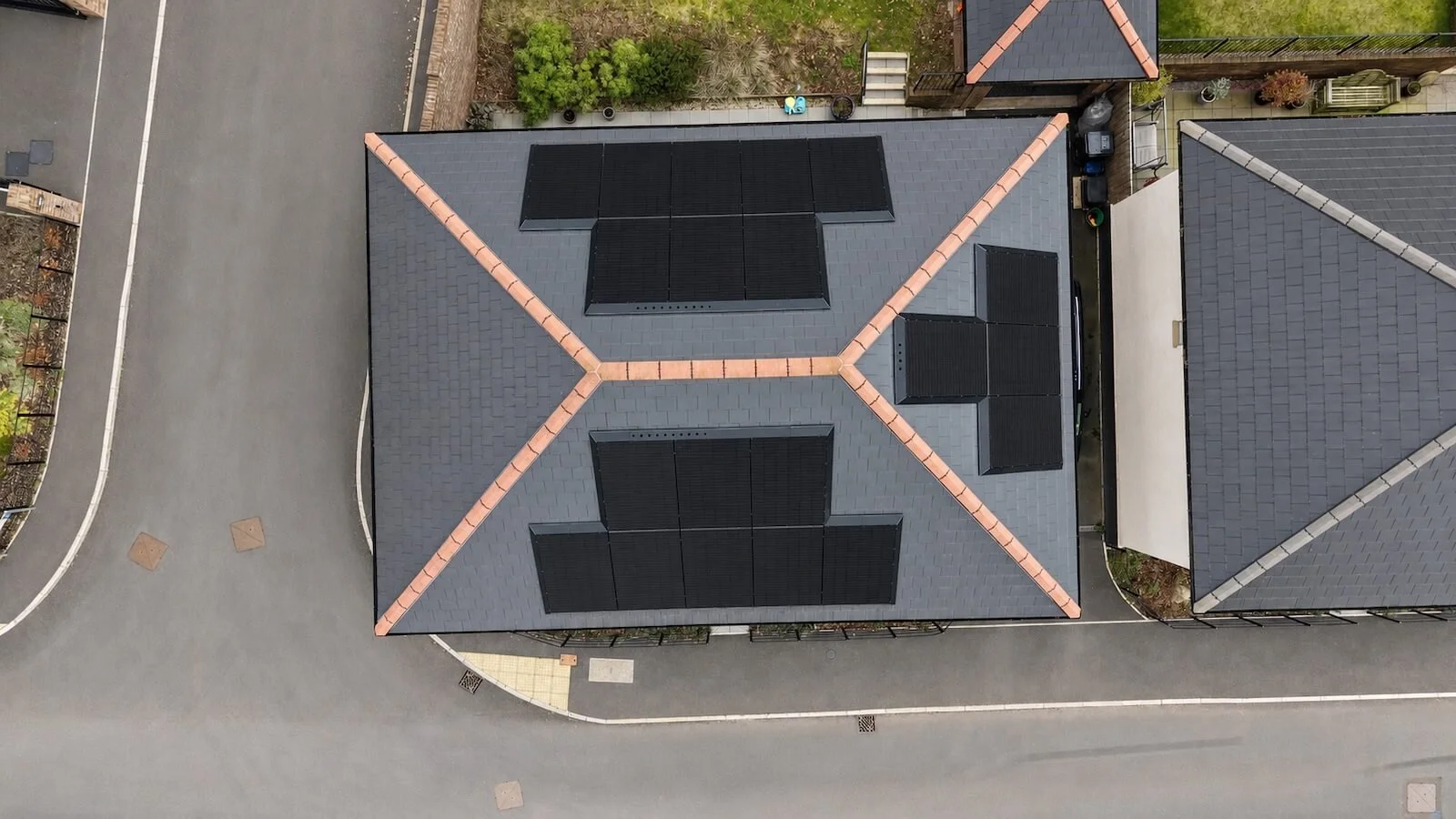
Genuinely local.
We are based in Plymouth, around 15 miles from Tavistock, and install across the whole of Devon.
MCS-certified.
Our installations carry MCS certification, the industry standard that protects you and unlocks Smart Export Guarantee payments.
SunPower Premier Partner.
Our recommended panels are SunPower modules, chosen for efficiency, excellent warranties, and long-term reliability.
Certified Tesla Powerwall installer.
Accredited to design and install Powerwall 3 systems, our recommended home battery.
Decades of experience.
Our directors, Dan Barnes and Ben Quick, bring over 40 years of combined renewable experience to every system we design.
Whole-home capability.
Solar, battery storage and heat pumps designed together, by one company, rather than bolted together by three.
What to Expect: From Survey to Switch-On
Free Home Survey and Consultation
Everything starts with a free, no-obligation home survey. One of our experienced surveyors will visit your property to assess its suitability for solar panels. This typically takes around an hour and covers:
- Roof assessment: orientation, pitch, condition, and available space
- Shading analysis: identifying any obstructions that could affect performance
- Electrical inspection: checking your consumer unit and existing electrical setup
- Energy usage review: understanding your current consumption patterns
- Discussion of your requirements and any questions you have
There is no hard sell. We will give you an honest assessment of whether solar is right for your property and, if so, what size system would best suit your needs.
Detailed Quote and System Design
Following the survey, we prepare a detailed written quotation including:
- Recommended system specification (panel type, inverter, optional battery)
- Itemised costs with nothing hidden
- Estimated annual generation based on your specific roof
- Projected savings and payback period
- Available warranty information
We will talk you through the quote and answer any questions. Take your time to consider – we never pressure customers into quick decisions.
Planning and DNO Notification
Once you decide to proceed, we handle all the paperwork. Most residential solar installations fall under permitted development and do not require planning permission, but we will confirm this for your property.
We submit the necessary notification to your Distribution Network Operator (DNO), which is National Grid Electricity Distribution (South West) for the Tavistock area. For systems under 3.68 kW, this is a simple notification. Larger systems may require a formal application under G99, which can take a few weeks for approval. We manage this entire process on your behalf.
Installation Day
Installation day is when the real work happens. For a typical residential system, installation takes one to two days. Here is what to expect:
- Scaffolding is erected (usually a couple of days before installation)
- Our team arrives at the agreed time with all the equipment and materials
- Mounting rails are fixed to your roof
- Solar panels are fitted and secured
- Cabling is run from the roof to your inverter location (often the garage or utility area)
- The inverter is installed and connected to your consumer unit
- The system is tested and commissioned
Our installers are respectful of your home. We keep disruption to a minimum, protect your floors and furnishings, and leave the site clean and tidy.
Commissioning and Handover
Before we leave, we thoroughly test your system to ensure everything is working correctly. We will then walk you through:
- How to read your inverter display and understand generation data
- Setting up any monitoring app so you can track performance on your phone
- How the system integrates with your household electricity
- What to do if you notice any issues
You will receive a comprehensive documentation pack including your MCS certificate, warranty information, electrical certificates, and all the paperwork needed to register for the Smart Export Guarantee.
Typical timeline: From initial enquiry to completed installation usually takes 3 to 6 weeks, depending on survey availability and DNO approval times.
Frequently asked questions
Straight answers on system size, planning rules, batteries and grants for homes around Tavistock.
A typical three-bedroom home suits a 4 kWp system of 8 panels, generating around 3,800 kWh a year. Smaller properties often suit 6 panels; larger family homes may benefit from 10–12. Your survey confirms the right size based on roof space, orientation and how much electricity you use.
Sometimes. Solar panels are often permitted development in conservation areas, but extra restrictions apply. In Tavistock's conservation area, you may need planning permission if panels are fitted to a wall that fronts a highway, if the property is listed, if the installation is on a flat roof, or if other local planning restrictions apply. Listed buildings also require listed building consent.
Yes. Panels generate from daylight rather than direct sunshine, and the South West receives some of the highest solar irradiance in the UK. A 4 kWp system here typically produces around 3,800 kWh a year — more than an identical system would generate across most of the country.
Most residential solar installations are completed within 1–2 days once scaffolding is in place. Adding battery storage at the same time usually adds little to the schedule. From accepting your quote to switch-on, allow a few weeks to cover scaffolding, materials and the necessary electrical notifications.
Yes. The Tesla Powerwall 3 — or other leading makes and models — can be retrofitted to most existing solar panel systems as well as installed alongside new ones. A quick review of your current inverter and consumer unit is all we need to confirm compatibility and recommend the right setup for your home.
There is no general grant for solar panels, but residential installations currently benefit from 0% VAT. For heating, the Boiler Upgrade Scheme provides £7,500 towards an air source heat pump, rising to £9,000 for oil and LPG heated properties from 21 July 2026.
Ready when you are
Ready to Go Solar in Tavistock?
You now have a clear picture of what solar can cost in Tavistock, how it can perform in West Devon weather, and the planning points worth understanding for the town’s older homes. The next step is a conversation about your roof, your energy use, and the best system for your property.
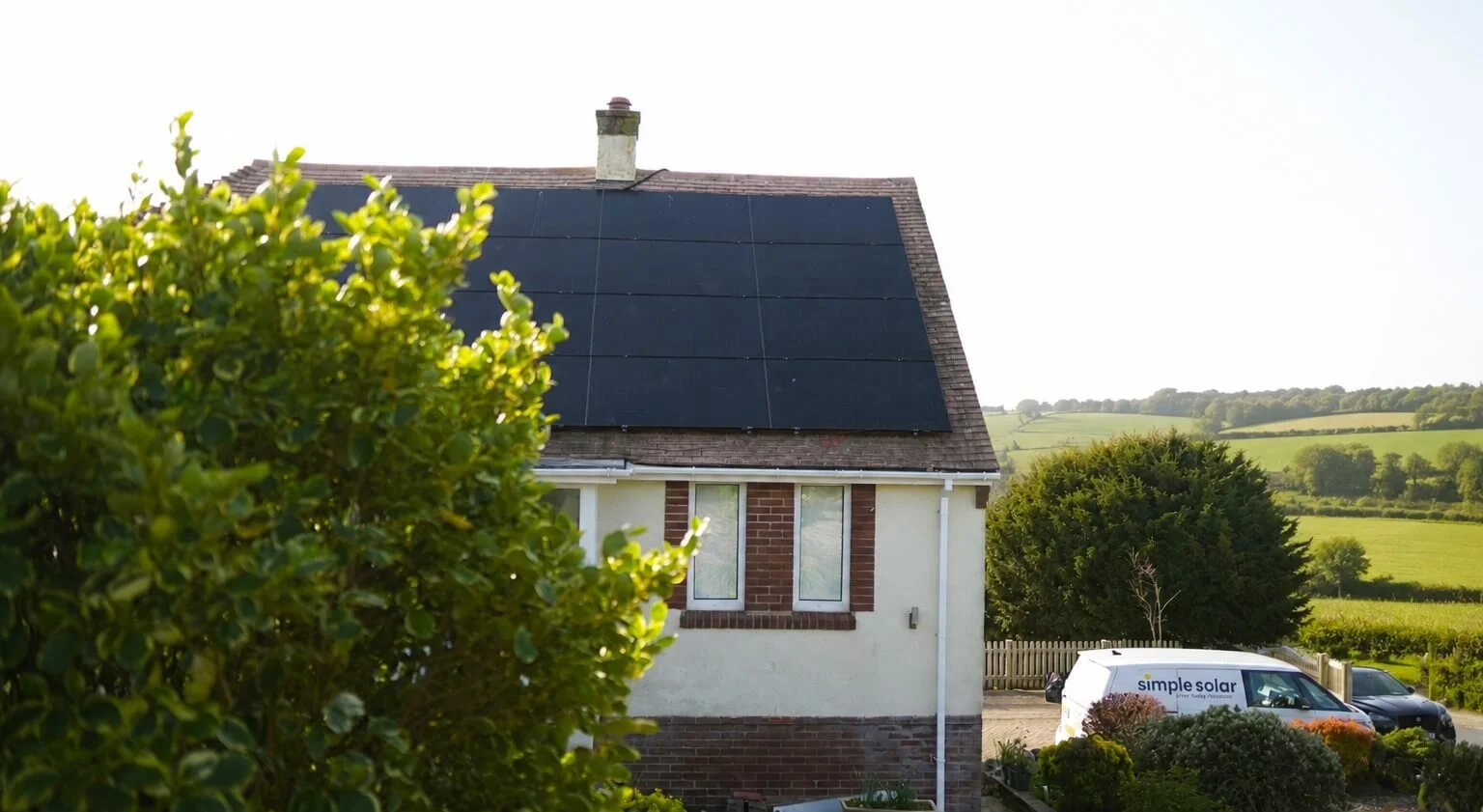
Request your free quote today, or call us to talk through your options, whether that is a straightforward solar installation, a solar and battery system, or a whole-home package with an air source heat pump. We will give you straight answers, clear pricing, and a system designed around your home.
AUTHOR