
Last updated
- 13 March 2026
Introduction
Why Energy Shocks Keep Hitting UK Households
If the past few years have taught us anything, it’s that the UK’s energy supply is far more fragile than most people realise. In 2022, due to the Ukraine conflict, wholesale gas prices soared, pushing typical household bills from around £1,200 a year to over £2,380 under the government’s Emergency Price Guarantee. Millions of families were plunged into fuel poverty almost overnight.

Now, in March 2026, it’s happening again. The escalating conflict in the Middle East has disrupted shipping through the Strait of Hormuz, the narrow waterway through which roughly 20% of the world’s oil and gas supply passes. Oil has surged past $100 a barrel for the first time since 2022. Natural gas prices in Europe have nearly doubled. Heating oil in the UK has spiked from around 66p per litre to over £1.29 in just one week. Petrol is climbing fast, with analysts warning it could hit 170p per litre if the conflict drags on.
For UK households, the pattern is distressingly familiar. Every time there is a geopolitical crisis in a major oil or gas-producing region, British consumers feel the impact almost immediately – and the UK is particularly exposed. We have minimal gas storage capacity, around 85% of our homes rely on gas boilers, and our electricity prices are heavily influenced by the wholesale cost of gas because gas-fired power stations still set the marginal price.
This guide is designed to help you understand why these shocks keep happening, what you can do right now to reduce their impact, and – most importantly – how to permanently insulate your household from the worst of future energy price spikes.
The systems and strategies we’ll cover are not theoretical. They are practical, proven measures that homeowners across Devon, Cornwall, Somerset, and Dorset are already using to take back control of their energy costs.
Part 1
Understanding the Problem – Why the UK Is So Vulnerable
The UK’s Dependence on Fossil Fuels
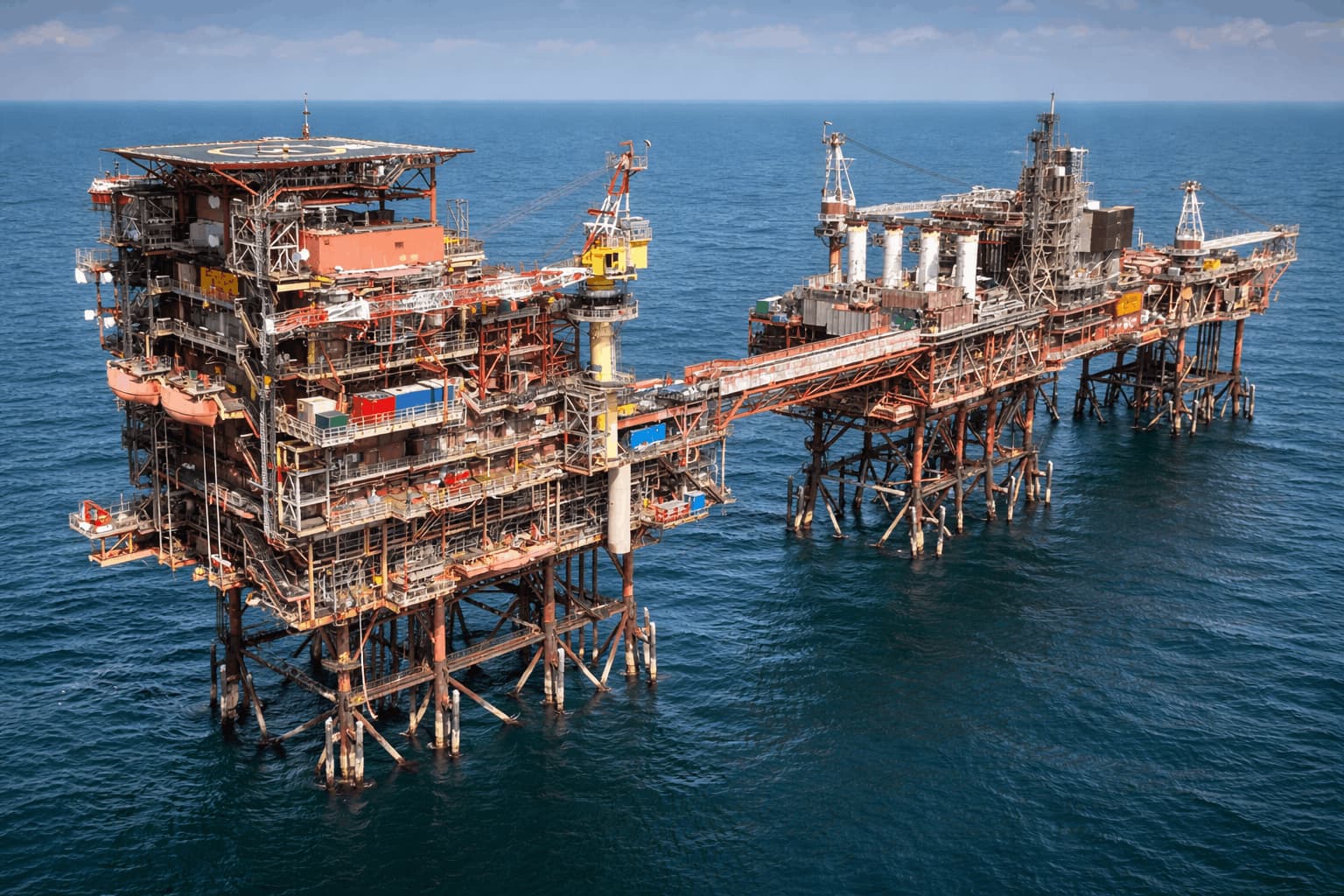
The UK’s energy system is heavily dependent on fossil fuels, particularly natural gas. This dependence creates a direct connection between global commodity markets and the bills landing on your doormat.
Here’s why this matters:
- Gas heating
- Approximately 85% of UK homes use gas boilers for heating and hot water. When wholesale gas prices spike, your heating bill follows.
- Electricity prices
- Even though around 40% of UK electricity now comes from renewable sources, gas-fired power stations still set the marginal price. This means that when gas prices rise, electricity prices rise too, even if most of the power is coming from wind and solar.
- Limited storage
- The UK has significantly less gas storage capacity than countries like Germany or France. We can store only a few days to weeks of winter demand, meaning we must purchase gas more frequently at current market prices. When global prices spike, the impact is almost immediate.
- Heating oil
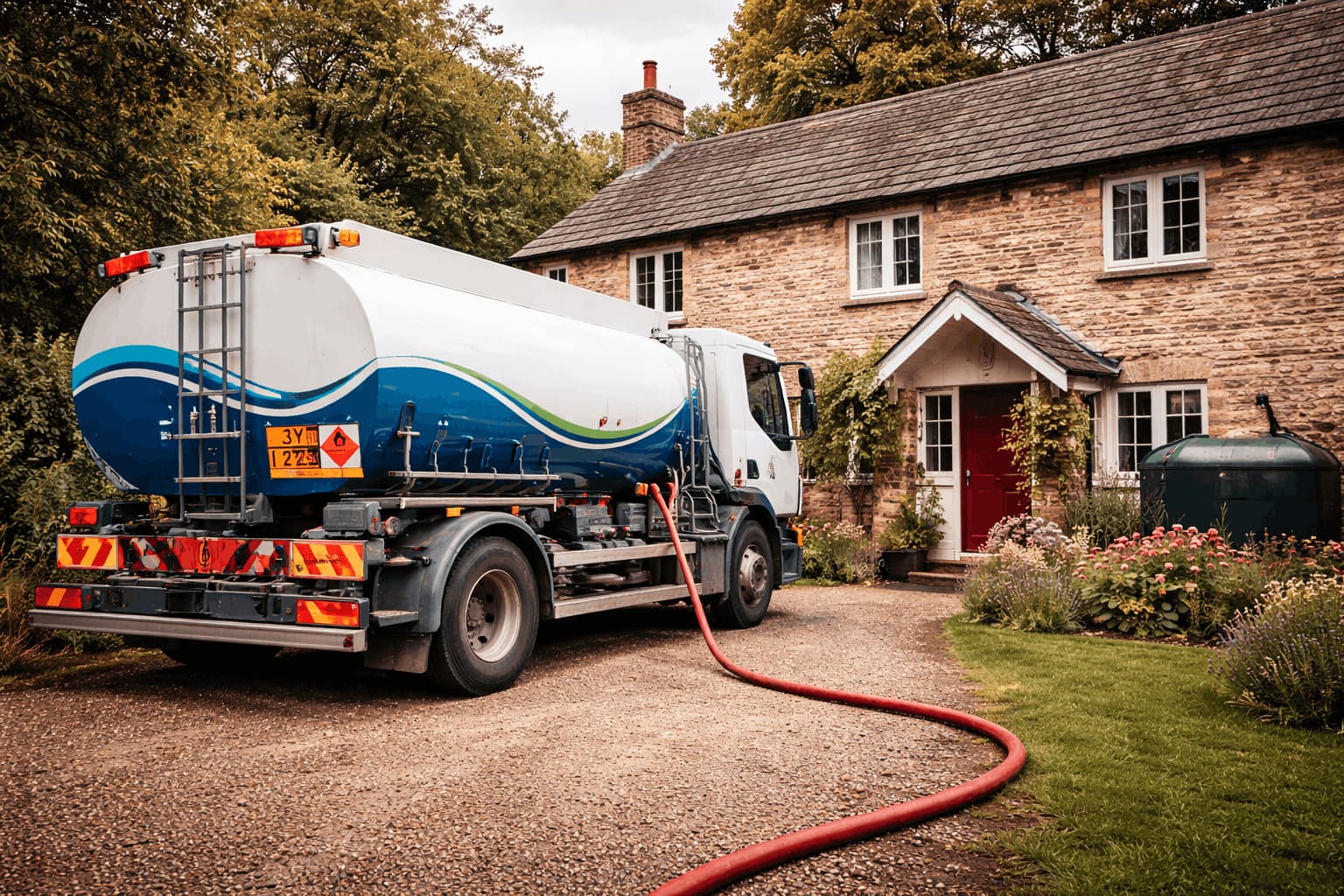
- Around 1.7 million UK households – many in rural areas of the South West – rely on heating oil. This is bought on an as-and-when basis at whatever the current market rate happens to be. There is no price cap protection for heating oil customers.
- Transport fuel
- Petrol and diesel prices are directly tied to crude oil. With about half the pump price made up of duty and VAT, the remaining portion fluctuates with global oil markets.
A Tale of Two Crises
The parallels between 2022 and 2026 are striking:
| 2022 (Ukraine) | 2026 (Middle East) | |
|---|---|---|
| Oil price peak | $120/barrel | $100-$119/barrel |
| UK petrol peak | 191.5p/litre | 139p/litre (expected to rise further) |
| Heating oil | Peaked over 137p/litre | Surged from 66p to 129p+ in one week |
| Average energy bill | £2,380/year (under EPG) | £1,758/year (current cap); expected to rise |
The lesson is clear: these are not one-off events. Global energy shocks are becoming a recurring feature of modern life. The question is no longer if the next crisis will happen, but when – and whether your household will be prepared for it.
Part 2
Short-Term Survival Strategies (Right Now)
When energy prices spike suddenly, the first priority is to limit the immediate damage to your bills. Here are practical steps you can take today.
Reduce Your Gas and Electricity Usage
- Turn your thermostat down by 1-2°C. The Energy Saving Trust estimates this can save around £100-£145 per year on a typical gas bill.
- Bleed your radiators and ensure furniture is not blocking them.
- Use a timer on your heating rather than leaving it on constantly.
- Switch to LED bulbs throughout your home if you haven’t already.
- Wash clothes at 30°C and avoid the tumble dryer where possible.
- Only boil the amount of water you need in your kettle.
Review Your Energy Tariff
If you’re on a standard variable tariff, you’re paying the maximum the Ofgem price cap allows – currently 27.69p per kWh for electricity and 5.93p per kWh for gas (Q1 2026). It is worth checking whether a fixed-rate deal could save you money, though be aware that many energy suppliers have pulled or repriced their fixed deals since the current Middle East crisis began.
If you already have solar panels or an EV, consider switching to a time-of-use tariff such as Octopus Intelligent Go which offers overnight electricity rates as low as 9.5p per kWh.
Part 3
Medium-Term Measures (Next 3-12 Months)
The short-term fixes above will help you weather the immediate storm, but they don’t solve the underlying problem: your household’s exposure to global fossil fuel markets. These medium-term measures start to shift the balance.
Switch to an Electric Vehicle
Transport fuel is one of the areas where global energy shocks hit hardest and fastest. As of early March 2026, the average price of unleaded petrol is around 139p per litre and rising fast. With oil above $100 a barrel, analysts have warned that petrol could reach 150-170p per litre if the crisis continues. In 2022, petrol hit a record 191.5p per litre.
For drivers who can charge at home, switching to an electric vehicle fundamentally changes this equation.
Home charging changes the equation
| Vehicle Type | Typical Cost per Mile | Annual Cost (8,000 miles) |
|---|---|---|
| Petrol car (40 MPG) | 14-19p | £1,120-£1,520 |
| Diesel car (45 MPG) | 13-18p | £1,040-£1,440 |
| EV (home, standard rate) | 8p | £630 |
| EV (home, off-peak tariff) | 3p | £220 |
The savings are significant even under normal conditions. But during an energy shock, the gap becomes enormous. Petrol is directly linked to the price of crude oil. Electricity prices, while not immune from gas market fluctuations, are far more stable, protected by the Ofgem price cap.
If you charge your EV at home using an off-peak tariff at around 9.5p per kWh, you are paying roughly 3p per mile – compared with 14-19p per mile for a petrol car at current pump prices. That is a saving of around 80%.
And if you also have solar panels and a home battery? You could be charging your EV with your own free electricity during the day, reducing your driving costs to virtually zero.
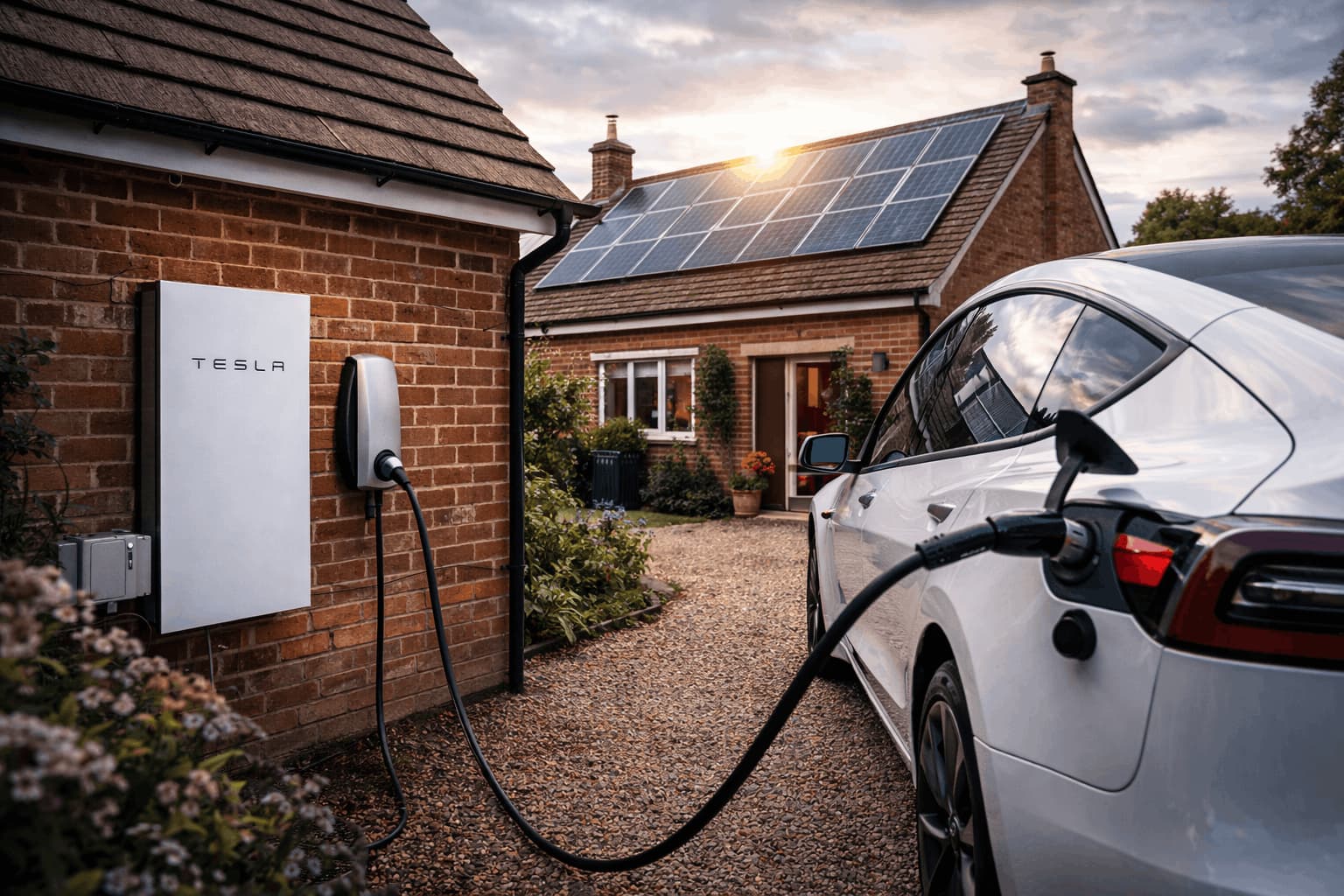
What you’ll need: A dedicated EV charger installed at your home. A professional home charger installation ensures faster charging speeds (typically 7.4 kW), built-in safety features, and compatibility with smart tariffs that automatically charge your car when electricity is cheapest.
Part 4
Long-Term Energy Independence (1-5 Years)
The strategies in this section represent the most powerful steps a UK homeowner can take to permanently reduce their vulnerability to global energy shocks. These are not just about saving money – though the savings are substantial – they are about taking your home off the fossil fuel roller coaster altogether.
Solar Panels: Generate Your Own Electricity
A solar panel system on your roof turns your home into a mini power station. Instead of buying all your electricity from the grid at whatever price the market dictates, you generate a significant proportion yourself – for free, once the system is installed.
How solar panels protect you from energy shocks:
- Every kilowatt-hour you generate and use in your home is a kilowatt-hour you do not need to buy from the grid. At current electricity prices of around 24-28p per kWh, a typical 4 kW system generating around 3,400 kWh per year could save you hundreds of pounds annually.
- When electricity prices spike – as they do during energy crises – the value of your solar generation increases proportionally. The higher grid prices go, the more you save.
- Under the Smart Export Guarantee (SEG), you are paid for any surplus electricity you export to the grid. While export rates are modest (typically 4-12p per kWh depending on your supplier), they provide an additional income stream.
- Solar panels currently benefit from 0% VAT in the UK when installed on residential properties, but this relief is due to end in March 2027.
Typical costs and savings:
A domestic solar PV system typically costs between £5,000 and £11,000 depending on system size and roof complexity. With payback periods of 7-10 years and a system lifespan of 25-40 years, solar panels represent a sound long-term investment, and one whose returns improve every time energy prices increase.
Battery Storage: Use Your Energy When You Need It
Solar panels are excellent during the day, but most households use the majority of their electricity in the mornings and evenings – precisely when panels are producing less. A home battery solves this mismatch.
How battery storage protects you from energy shocks:
- Your battery stores surplus solar energy generated during the day and releases it in the evening, meaning you buy less expensive grid electricity during peak hours.
- With a smart time-of-use tariff, your battery can also charge overnight at rates as low as 9.5p per kWh and discharge during the day when grid rates are 24-28p per kWh – saving you the difference on every unit.
- Adding a battery to a solar system can boost your overall savings by 40% or more, depending on your usage patterns.
- Some homeowners with solar and battery systems report reducing their electricity bills by up to 80-86%.
Practical example:
Imagine you have a 4 kW solar panel system and a battery. On a sunny spring day, your panels generate more electricity than your home uses. Without a battery, that surplus is exported to the grid for a modest payment. With a battery, you store that surplus and use it to power your home in the evening, avoiding peak-rate grid electricity entirely. Over a year, this pattern of generating, storing, and using your own electricity can save you more than £1,000.
Air Source Heat Pumps: Break Free from Gas and Oil
If solar panels are about liberating your electricity supply, a heat pump is about liberating your heating. For the 85% of UK homes on gas – and especially for the 1.7 million homes on oil or LPG – a heat pump represents a fundamental shift away from fossil fuel dependency.
How a heat pump works:
An air source heat pump extracts heat from the outside air – even in cold weather – and uses it to heat your home and hot water. It runs on electricity, not gas or oil. For every 1 unit of electricity it consumes, a well-installed heat pump typically delivers 3-4 units of heat. This 300-400% efficiency is far higher than a traditional gas boiler.
How a heat pump protects you from energy shocks:
- You completely remove your dependence on gas or oil for heating. When oil prices double overnight – as they have in March 2026 – a heat pump household is entirely unaffected.
- Because heat pumps run on electricity, your heating costs are subject to the Ofgem price cap, which provides a degree of stability that heating oil customers simply do not have.
- If you combine a heat pump with solar panels, you can heat your home using your own self-generated electricity, reducing your exposure to grid prices even further.
The money case for switching from oil to a heat pump:
Consider a rural household currently spending around £1,500-£2,000 per year on heating oil at pre-crisis prices. At March 2026’s crisis-level oil prices, that same household could be facing costs of £3,000 or more. A well-installed air source heat pump heating the same home would typically cost £800-£1,200 per year to run on grid electricity – and significantly less if paired with solar panels.
Part 5
The Fully Electrified Home – Putting It All Together
Each of the systems described above delivers real benefits on its own. But the true power of home electrification comes from combining them into an integrated system. Here is what a fully electrified home looks like in practice.
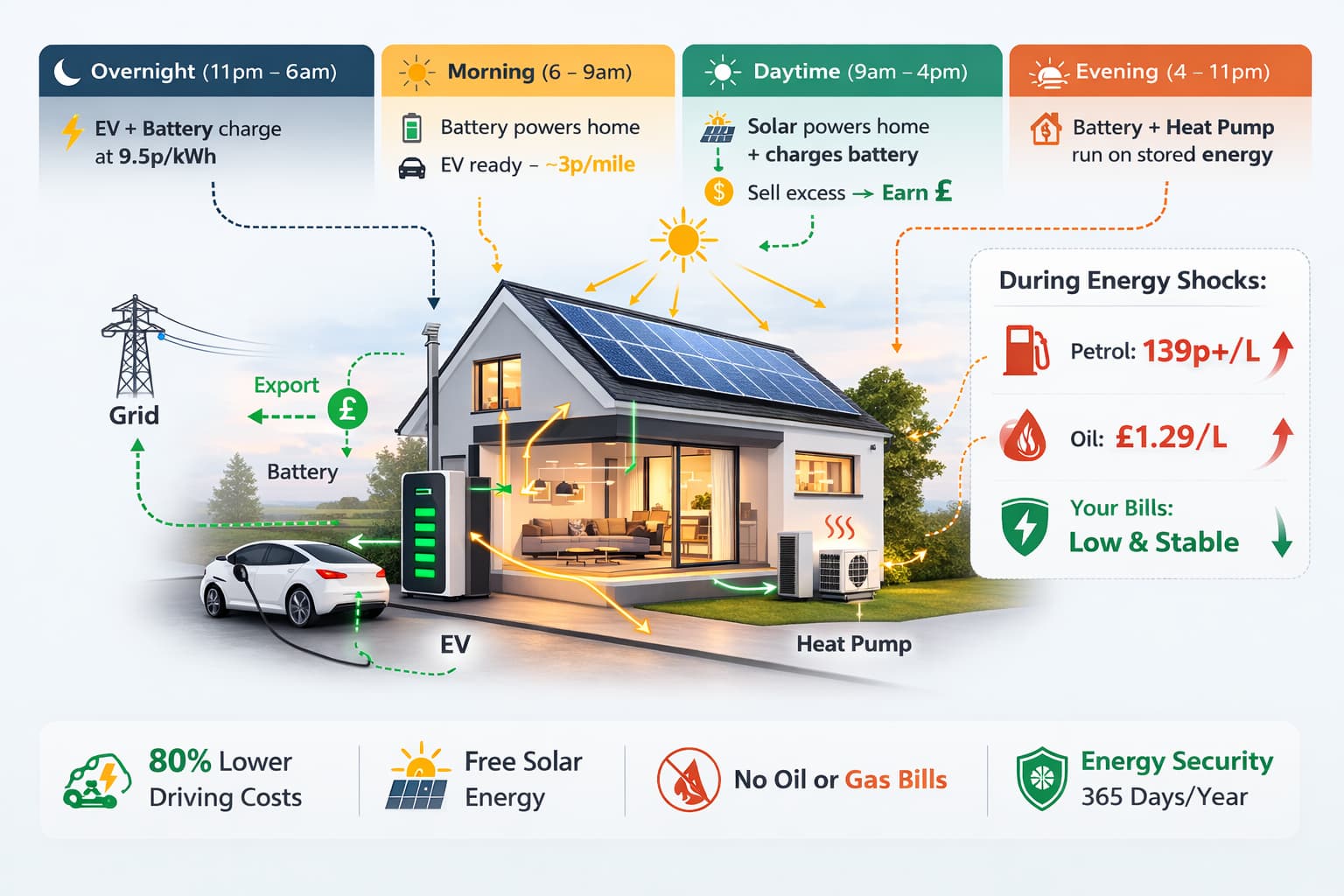
A Day in the Life of an Electrified Home
- Morning (6:00 to 9:00 am)
- Your battery, charged overnight at a cheap off-peak rate of 9.5p per kWh, powers the house through breakfast and the morning routine. Your EV, also charged overnight, is fully topped up for the day’s driving at a cost of around 3p per mile.
- Daytime (9:00 am to 4:00 pm)
- Your solar panels are generating electricity. The house uses what it needs; the surplus charges your battery. Any remaining excess is exported to the grid, earning you money through the Smart Export Guarantee.
- Evening (4:00 to 11:00 pm)
- As the sun goes down, your battery takes over, powering your home through the peak evening hours. Your heat pump is quietly and efficiently heating your home and hot water, using stored solar energy or cheap off-peak electricity. You haven’t bought a single unit of peak-rate grid electricity all day.
- Overnight (11:00 pm to 6:00 am)
- Your smart tariff kicks in (the off-peak charging window varies per supplier). Your battery and EV both charge at the cheapest overnight rate, ready for the cycle to begin again tomorrow.
Your monthly energy spend is a fraction of what it would be on gas heating with a petrol car. The energy shock is headline news, but it is not a money crisis for your household.
Part 6
Government Support and Money-Saving Incentives
The UK government currently offers several incentives that make electrifying your home cheaper.
Part 7
A Quick-Reference Action Plan
Use this as a simple roadmap for what to do now, what to plan next, and what to work towards over the longer term.
Short Term (This Week)
- Turn down your thermostat by 1-2°C.
- Switch off appliances at the plug, rather than leaving them on standby.
- Review your energy tariff – could you save money on a fixed deal or a time-of-use tariff?
- If you rely on heating oil, avoid panic-buying at peak prices if you have enough to see you through the next few weeks.
Medium Term (Next 3-12 Months)
- Start researching solar panels and battery storage for your property.
- Investigate switching to an electric vehicle. Even a used EV can deliver substantial fuel savings compared with petrol or diesel.
- Get a quote for a home EV charger installation.
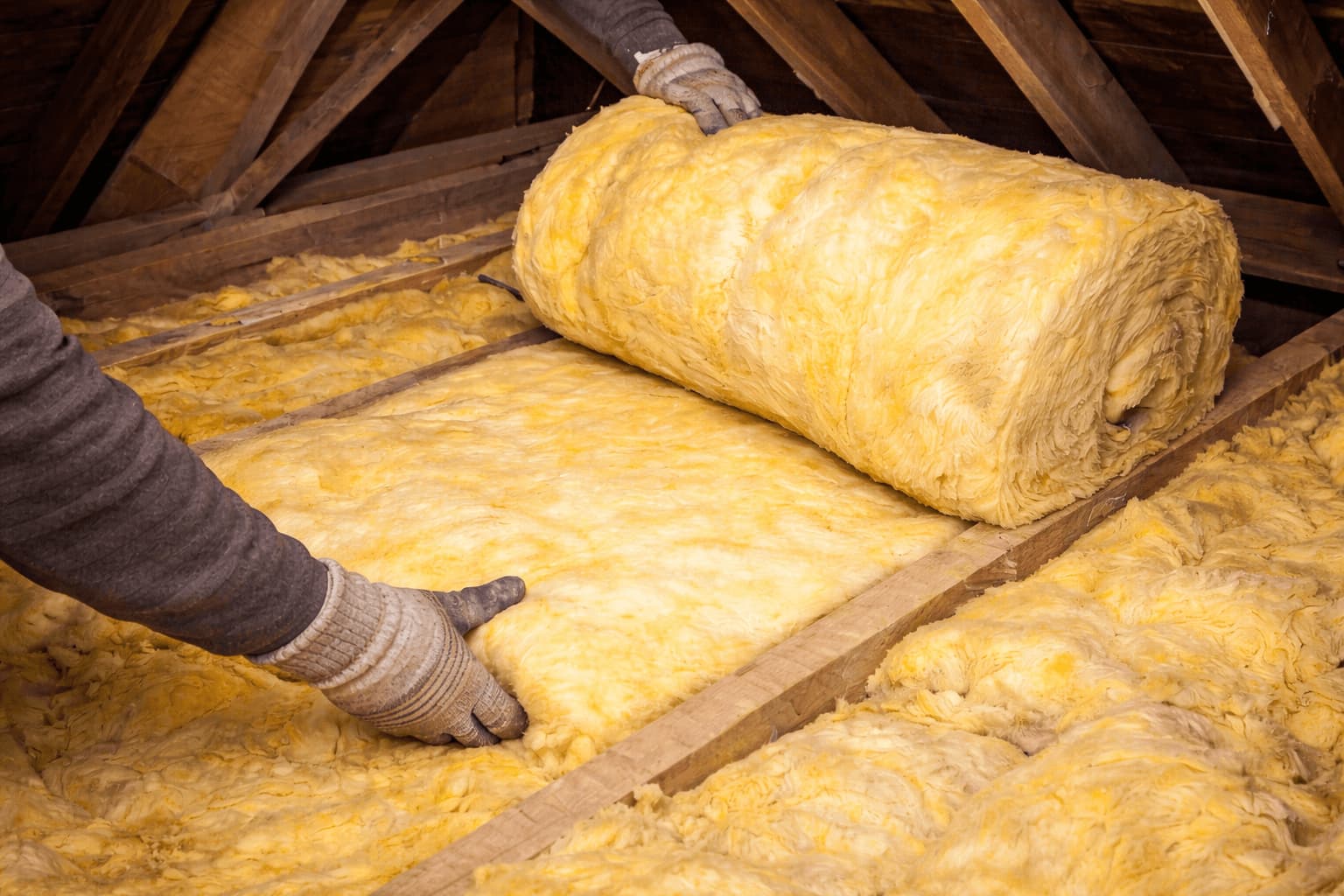
- Improve your home’s insulation (loft, cavity walls, draught-proofing).
Long Term (1-5 Years)
- Install solar panels to generate your own electricity and reduce grid dependence.
- Add battery storage to maximise your solar savings and access cheap overnight tariffs.
- Replace your gas or oil boiler with an air source heat pump, and claim the £7,500 BUS grant while it’s available.
- Install a dedicated EV charger to complete the electrification of your home.
- Lock in 0% VAT on energy-saving installations before the relief ends in March 2027.
Part 8
Why Simple Solar?
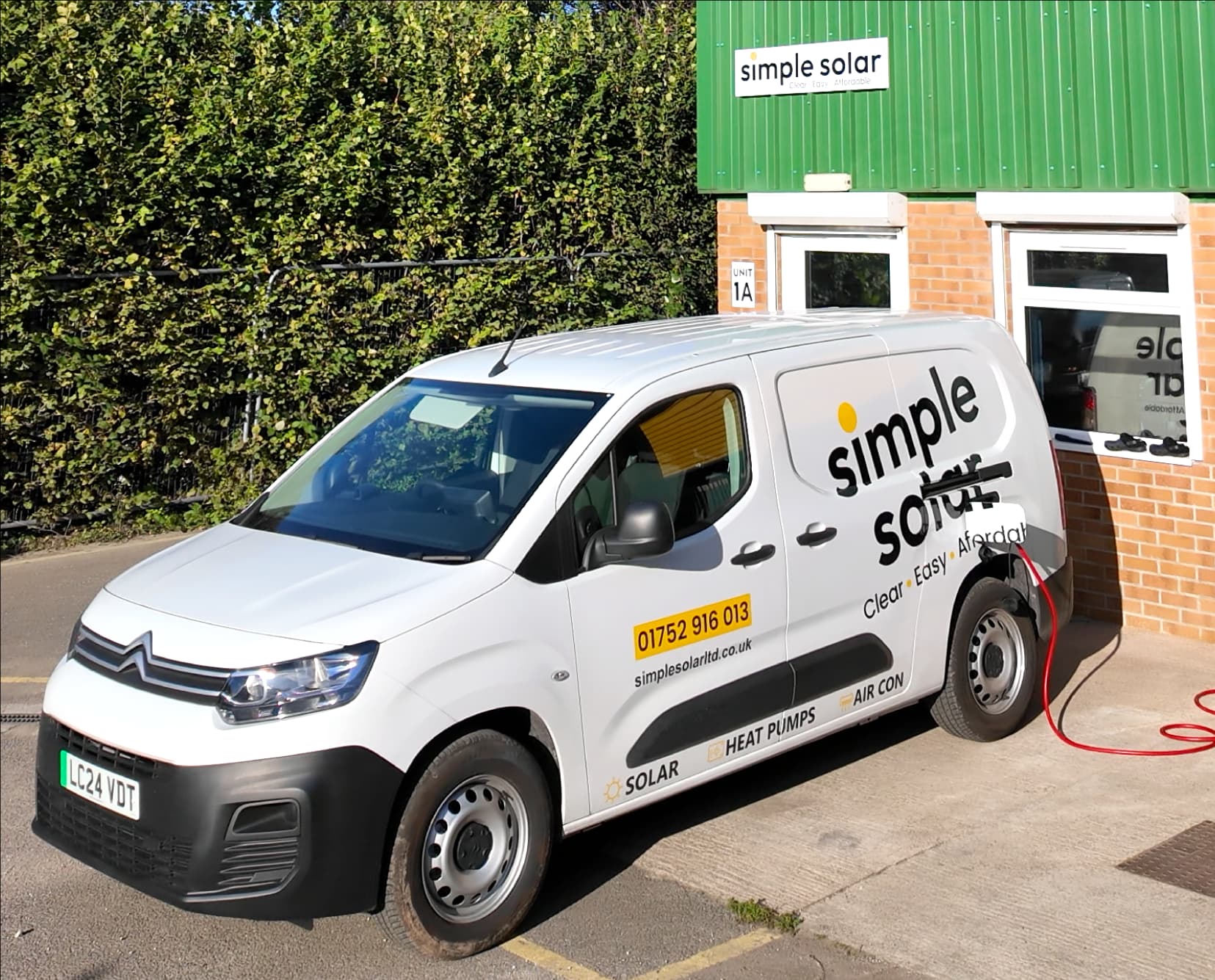
Simple Solar is a Plymouth-based renewable energy installer serving homeowners across Devon, Cornwall, Somerset, and Dorset. We are MCS-certified and CHAS-accredited, with extensive experience installing air source heat pumps, solar panel systems, battery storage, and EV chargers.
Our directors, Dan and Ben, have years of hands-on experience in renewable heating and energy systems. We believe in honest, straightforward advice – not high-pressure sales tactics or overstated savings claims. Every home is different, and we’ll give you a realistic assessment of what each system can do for your property and your budget.
If you are tired of watching the news and wondering how the latest global crisis is going to affect your energy bills, we can help you take back control. Get in touch for a free, no-obligation consultation.