
OFGEM ENERGY PRICE CAP RISES 4% FROM OCTOBER 2026: WHAT IT MEANS FOR YOUR BILLS AND WHAT YOU CAN DO ABOUT IT

The typical Direct Debit price cap will rise to £1,723 a year, with higher gas costs driving most of the increase. Here is what is changing and how heat pumps, solar panels, battery storage and smarter electricity use could reduce your exposure.
Ofgem has announced its energy price cap will rise by 4% from 1 October 2026. For a typical household paying by Direct Debit for gas and electricity, the annualised figure will increase from £1,663 to £1,723. That’s an increase of around £60 a year, or £5 a month.
However, the headline does not tell the whole story. Most of the increase is being driven by gas, while average electricity costs remain broadly stable.
That distinction is important when considering how your home uses energy and which improvements might genuinely reduce your exposure to future price changes.
The new energy price cap rates
The new cap applies from 1 October to 31 December 2026.
For households on a standard variable tariff paying by Direct Debit, the average rates across England, Scotland and Wales will be:
| ENERGY CHARGE | 1 July to 30 September 2026 | 1 October to 31 December 2026 |
|---|---|---|
| Electricity unit rate | 26.11p per kWh | 26.32p per kWh |
| Electricity standing charge | 57.19p per day | 54.83p per day |
| Gas unit rate | 7.33p per kWh | 7.97p per kWh |
| Gas standing charge | 29.04p per day | 29.68p per day |
-
Electricity unit rate1 Jul – 30 Sep 2026 26.11p per kWh1 Oct – 31 Dec 2026 26.32p per kWh
-
Electricity standing charge1 Jul – 30 Sep 2026 57.19p per day1 Oct – 31 Dec 2026 54.83p per day
-
Gas unit rate1 Jul – 30 Sep 2026 7.33p per kWh1 Oct – 31 Dec 2026 7.97p per kWh
-
Gas standing charge1 Jul – 30 Sep 2026 29.04p per day1 Oct – 31 Dec 2026 29.68p per day
Electricity VAT is being removed from 1 October 2026 to 31 March 2027. The figures above already reflect that change. Gas will continue to include VAT at 5%.
is not a
maximum bill
Despite its name, the price cap does not place a limit on the total amount a household can pay.
It limits the unit rates and standing charges that suppliers can apply to customers on default tariffs. The more energy a household uses, the more it will pay.
The £1,723 figure is an annual illustration based on Ofgem's new typical consumption figures of 2,500 kWh of electricity and 9,500 kWh of gas. It is not the amount every household will pay, and it is not a bill for the three-month cap period.
Why does £1,723 appear lower than the previous £1,862 headline?
Earlier in 2026, the July price cap was widely reported as £1,862. Ofgem has since updated the amount of energy it assumes a typical household uses.
The previous calculation assumed annual consumption of 2,700 kWh of electricity and 11,500 kWh of gas. The new benchmark is lower because average household consumption has fallen.
This change makes the headline figure look smaller, but it does not represent a reduction in the underlying rates. Ofgem says that, using the old consumption benchmark, the October figure would be £1,935, up from £1,862.
For an accurate comparison, look at the unit rates and standing charges on your bill rather than comparing headline figures calculated using different consumption assumptions.
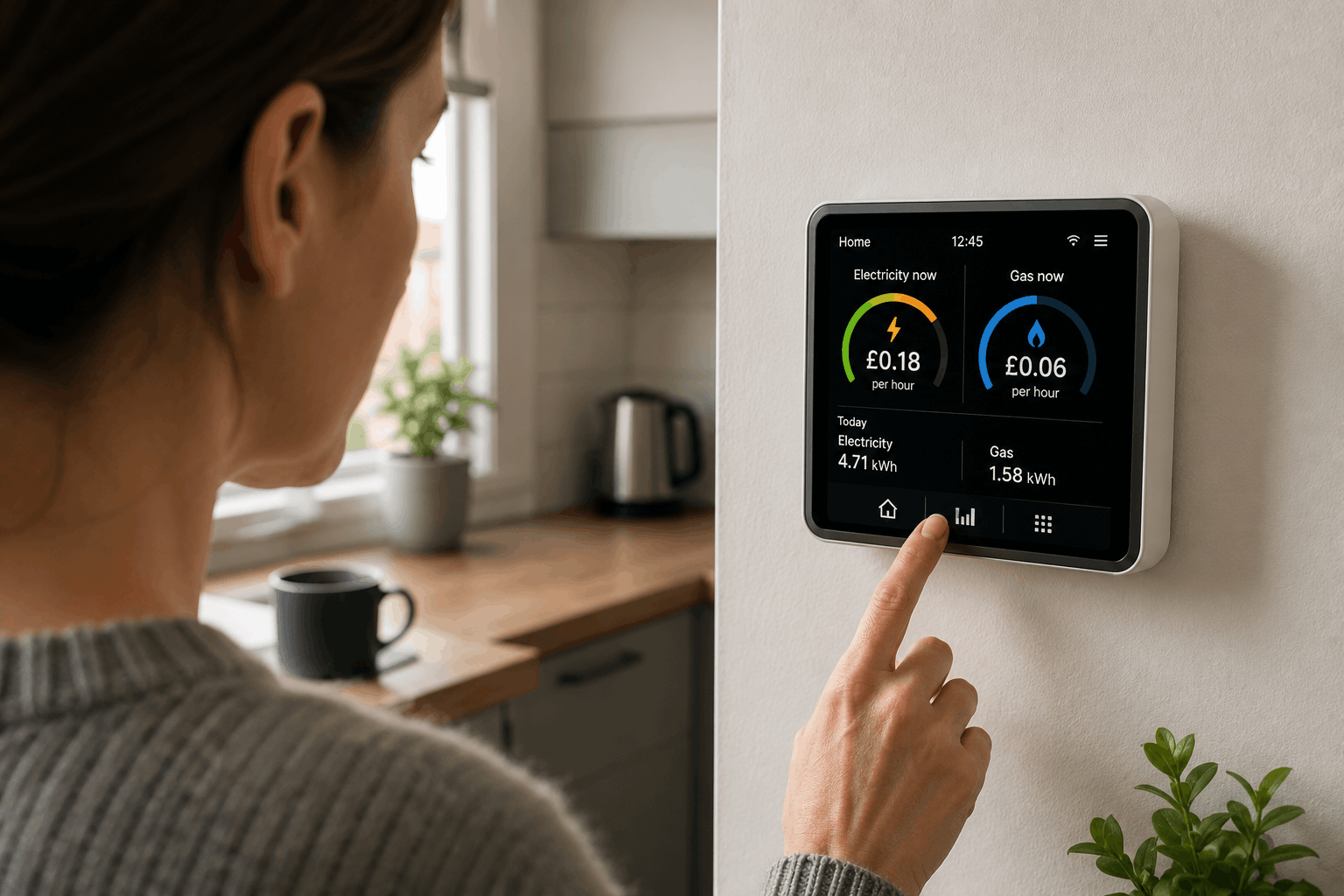
Why is the
price cap rising?
Ofgem says higher wholesale gas prices are the main cause of the increase.
Although wholesale costs are pushing up both fuels, the temporary removal of VAT from electricity is cushioning the effect on electricity bills. Ofgem estimates that the typical cap would have been around £45 higher without the VAT change.
Gas bills for a typical household are expected to rise by around 8%.
Households without gas are expected to see a much smaller increase of less than 1%.
The average electricity unit rate rises slightly, but the electricity standing charge falls.
Fixed-tariff customers will not be directly affected by the cap increase while their existing fixed rates remain in force.
Around 22 million households are protected by the cap, while Ofgem estimates that approximately 11 million households are currently on fixed tariffs.
What can households do before October?
Start by checking whether you are on a standard variable tariff or a fixed deal. Compare any available fixes using your own annual consumption, not just the supplier's estimated monthly payment.
Submitting an up-to-date meter reading before the new rates begin.
Checking whether your Direct Debit reflects your actual usage.
Looking at time-of-use tariffs if you have a smart meter and can move some consumption away from expensive periods.
Contacting your supplier promptly if you are struggling to pay. Suppliers are required to discuss support options, which may include an affordable repayment plan or emergency credit.
Tariff changes can help in the short term. For greater protection from repeated market changes, homeowners can also consider changing how their home is heated and reducing the amount of energy they need to buy.
 Home heating
A heat pump can reduce dependence on gas
Because gas is driving most of the October increase, homeowners replacing an older gas, oil or LPG heating system may wish to investigate an air source heat pump.
A heat pump uses electricity to move heat into the home rather than producing it by burning fuel. When correctly designed for a suitable property, it can provide efficient heating while reducing or removing the home's direct exposure to gas prices.
This does not mean a heat pump will automatically reduce every household's bills. Running costs depend on the building's heat loss, radiator or underfloor-heating design, flow temperature, electricity tariff and how the system is operated.
A proper heat-loss calculation and property survey should therefore come before any recommendation.
Find out whether an air source heat pump could be suitable for your home.
- Property-led assessment
- System designed around your home
Solar panels can support a more efficient electric home
Once heating is moved from gas to electricity, the way that electricity is generated and purchased becomes increasingly important.
Solar panels generate electricity from daylight, allowing the home and its heat pump to use that electricity before drawing power from the grid.
Every unit of solar electricity used in the home reduces the amount that needs to be purchased from an energy supplier. Surplus generation can also be exported through an eligible Smart Export Guarantee tariff to create a useful income for the property.
The result depends on the roof, system size, shading, household consumption and when electricity is used. A system should therefore be designed around the property and its occupants rather than simply installing as many panels as possible.
Solar generation is strongest during spring and summer, so it will not remove the need to purchase electricity for winter heating. It can, however, contribute to annual household demand and help reduce daytime grid imports.

Battery storage makes daytime generation available later
Solar panels often generate most strongly around the middle of the day, while many homes consume more electricity in the morning and evening.
Battery storage can store surplus solar electricity for use after sunset. This can increase the proportion of solar generation used in the home and reduce evening grid imports.
A battery can often be added to an existing solar installation, including systems installed by another company. Some households without solar may also use a battery with a suitable time-of-use tariff, charging when electricity is cheaper and using the stored energy at more expensive times.
For homes with heat pumps, a battery may provide additional flexibility by shifting some electricity use away from more expensive periods. However, it must be sized around the home's actual electricity demand and should not be expected to cover an entire winter heating load.
Whether a battery represents good value depends on its size, household demand, tariff rates, efficiency and the difference between peak and off-peak prices.
Smart EV charging helps avoid unnecessary peak-rate use
An electric vehicle can add significantly to household electricity consumption, but much of that charging can be scheduled.
A dedicated home EV charger can help drivers charge when surplus solar generation or lower-cost off-peak electricity is available. This can reduce charging costs compared with drawing electricity at an expensive time and is more suitable – and safer – for routine charging than relying on a standard three-pin socket.
Explore your options Electric vehicle charging →
The right answer
depends on the home
Not every household needs a heat pump, solar panels, a battery and an EV charger.
A home currently heated with gas, oil or LPG may have a strong reason to investigate a heat pump. Another property may achieve its best result with solar alone. A household that already has solar but exports most of its daytime generation may benefit from a battery retrofit, while an EV owner may simply need smarter charging.
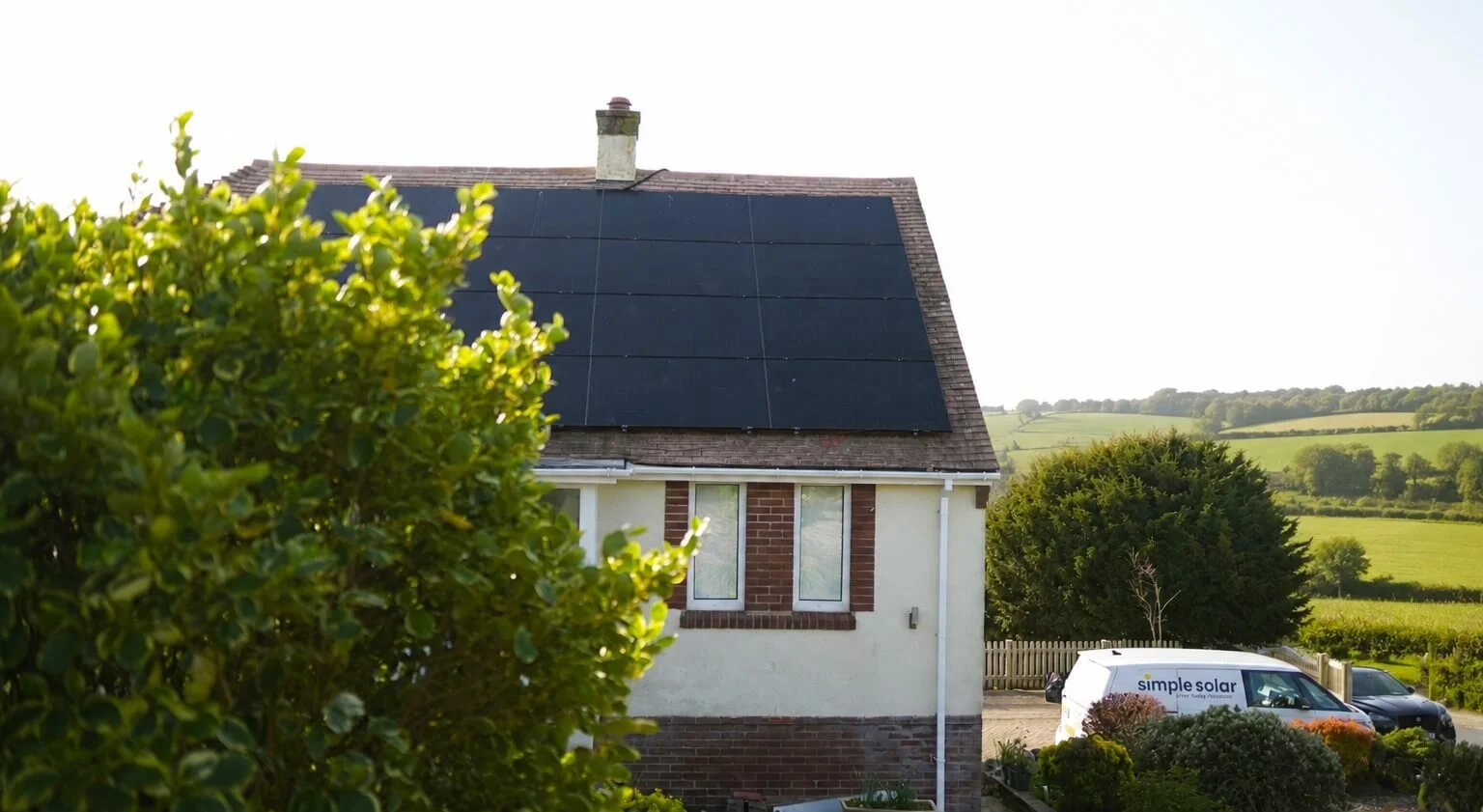
The technologies can also be planned together:
A heat pump replaces fossil-fuel heating with efficient electric heating.
Solar panels generate some of the electricity used by the home.
Battery storage moves surplus generation into the evening.
Smart controls schedule flexible demand when electricity is cheaper.
not the product.
The important step is to begin with the property's energy use, heat loss and occupancy patterns, not with a predetermined product.
Find out what actually makes sense for your home.
Simple Solar designs and installs air source heat pumps, solar panels, battery storage and EV chargers across the South West. A free home survey can identify which options are suitable, estimate their likely performance and explain the costs clearly.
Arrange your free Simple Solar survey to find out how your home could reduce its exposure to changing gas and electricity prices.
No obligation Arrange your free survey →