FLEXIBLE TARIFFS, SOLAR AND STORAGE: FIGHTING HIGH ELECTRICITY PRICES AT HOME
Household electricity prices have risen by 147% since 2010, according to a new report from the Institute for Fiscal Studies (IFS) and the London School of Economics (LSE). The researchers say flexible tariffs – where the price changes during the day – are one of the cheapest ways to ease the pressure. Here’s what they found, and how solar panels and battery storage help you get the most from a flexible tariff at home.
How much more do you pay for electricity than you did in 2010? If you’ve got a vague feeling it’s “a lot”, you’re right.
According to the IFS, the price households pay for electricity rose by 147% between January 2010 and July 2026. Over the same period, general prices rose by 63%.
Put simply, a unit of electricity now costs you almost two and a half times what it did in 2010.
The researchers – Stephen Jarvis of the LSE, and Peter Levell and Bobbie Upton of the IFS – say the UK has gone from sitting roughly mid-table among advanced economies to having some of the highest household electricity prices in the G7. Their analysis was published on 22 September 2026 as a chapter of the IFS Green Budget, and was reported by Energy Live News the same day.
Where did the extra 13p come from?
The IFS looked at the period 2017-2025 in 2025 prices, which strips out general inflation. Over those eight years, the average household electricity price in Great Britain rose by 13p per kWh.
Here’s how it breaks down:
Note: the four components add up to 12.7p, which the IFS rounds to 13p.
So well over half the rise came from the cost of the energy itself. Why? Mainly because of gas.
In Britain, gas-fired power stations usually set the wholesale price of electricity, even though they supply well under half of it. The IFS cites an estimate that in 2021, gas set the price in 97% of half-hour trading periods. When gas prices soared after 2021, electricity followed.
The good news is that taxes and levies have come down since 2025. The IFS says they made up 17% of an average household bill in mid-2026, against 23% in 2025.
Why is evening electricity so expensive?
Think of the grid like a busy restaurant. On a quiet Tuesday lunchtime, the regular kitchen team copes easily. On a Saturday night, the owner has to call in agency chefs at a premium.
Electricity works the same way. When demand is low and it’s windy or sunny, cheap renewables and nuclear can cover most of it. In the early evening, when everyone gets home, cooks dinner and switches on the TV, the grid is forced to call on gas plants – including less efficient ’peaker’ plants that are expensive to run.
The IFS figures show the gap clearly. Between 2023 and mid-2026, the average wholesale price ranged from around £65 per MWh overnight to a peak of £108 per MWh in the evening. That’s roughly 6.5p per kWh against 10.8p per kWh: an evening unit costs about two-thirds more to produce.
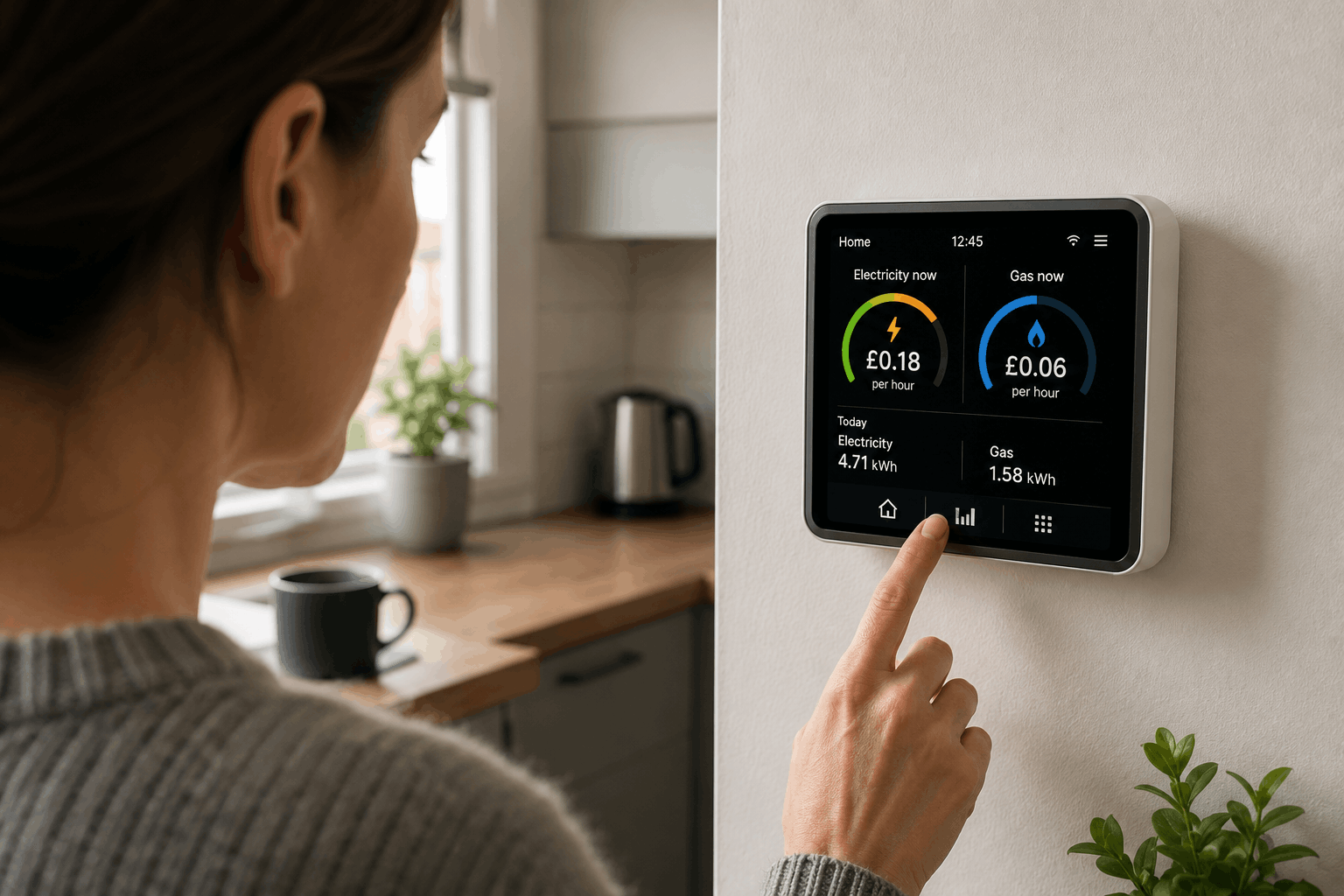
Yet most of us pay exactly the same price whenever we use it. The IFS says only around 10% of households are on prices that vary throughout the day, even though 72% now have a smart meter.
What happens if you shift 20% of your usage?
This is the example that grabbed the headlines. The IFS imagines a household that uses 10 kWh a day, split equally between the morning and the evening. Morning electricity costs 8p per kWh to supply; evening electricity costs 12p per kWh.
-
10 kWh a day · 5 + 5
Before: 5 kWh in the morning and 5 kWh in the evening costs the system £1 a day (5 x 8p + 5 x 12p).
-
10 kWh a day · 7 + 3
After: shift 2 kWh – 20% of the day’s use – from the evening to the morning, and it costs 92p a day (7 x 8p + 3 x 12p).
That’s an 8% cut in the cost of supplying the same amount of electricity.
Please note: this is a simplified illustration of the cost to the electricity system, not a promised 8% off your bill. The IFS also points out that if lots of households shifted their use, the gap between evening and morning prices would narrow.
Flexible tariffs: what the IFS wants to change
The researchers argue the government should encourage many more households onto flexible, time-varying tariffs. These charge less for electricity at quiet times and more at busy ones. The options they discuss range from making a time-varying tariff the default (as Spain has done) to reforming the Ofgem price cap so that prices can vary more during the day.
They’re not alone. The IFS notes that the National Energy System Operator (NESO) expects the amount of time-varying electricity use to need to roughly triple between 2025 and 2030 if Britain is to hit its Clean Power 2030 goal.
Why automation beats willpower
This is the part of the report we’d urge every homeowner to read. The IFS looked at what actually happens when people face time-varying prices, and the answer depends heavily on the equipment in the home.
- 01Spain · 2021Fall in peak-time use 1–9%
When Spain introduced a time-varying default tariff in 2021, with peak prices double the normal rate, peak-time use fell by only 1-9%. Most people simply didn’t change their habits.
- 02UK heat pumpsSaved a year £300
UK heat pump owners on a time-varying tariff roughly halved their evening peak use and saved around £300 a year. Surveys suggest much of that came from smart thermostats doing the work automatically.
- 03Free hour trialIncrease in use
When households were offered an hour of free electricity, those without an electric car increased their use by 25%. Those with an electric car increased it by 108%.
In other words, asking people to run the dishwasher at 2am doesn’t always achieve the result you want. Equipment that shifts usage automatically does.
For us, that’s the clearest argument yet for pairing a flexible tariff with solar panels and battery storage. The tariff sets the price signal; your equipment responds to it without you lifting a finger.
Solar and storage: making a flexible tariff work for you
Think of the three as a team. Solar panels cut how much electricity you buy in the first place. A battery moves the rest away from the expensive evening peak. And a flexible tariff rewards you for doing both.
Solar panels generate electricity during daylight hours, so every unit you use from your roof is a unit you don’t buy from the grid. The catch? Many homes use the bulk of their electricity in the morning and evening, when the panels are producing less energy.
That’s where a home battery comes in. It lets you move your electricity use away from the evening peak without changing when you cook, wash or watch TV.
It works in two ways:
- 01
Storing your own solar power. If you have solar panels, the battery soaks up much of the surplus your roof generates during the day and releases it in the evening, instead of that power being exported for a fraction of what you pay to import it.
- 02
Charging when electricity is cheap. On a flexible tariff, the battery can top up during low-cost hours (typically overnight) and then run your home through the expensive evening peak.
The difference a battery makes to solar is well documented. Using the MCS benchmark method (MGD 003), a typical home uses around 26% of its own solar generation without a battery, rising to around 62% with one.
What battery brands do we recommend? Simple Solar is a certified Tesla Powerwall installer. The Powerwall 3 can be set up through the Tesla app to charge at off-peak times and power your home when rates are highest.
Already have solar panels? You don’t need to start again. Battery storage can be retrofitted to many existing solar systems.
Heat pumps and electric cars can shift too
The IFS evidence suggests the biggest savings come from the largest, most flexible loads:
-
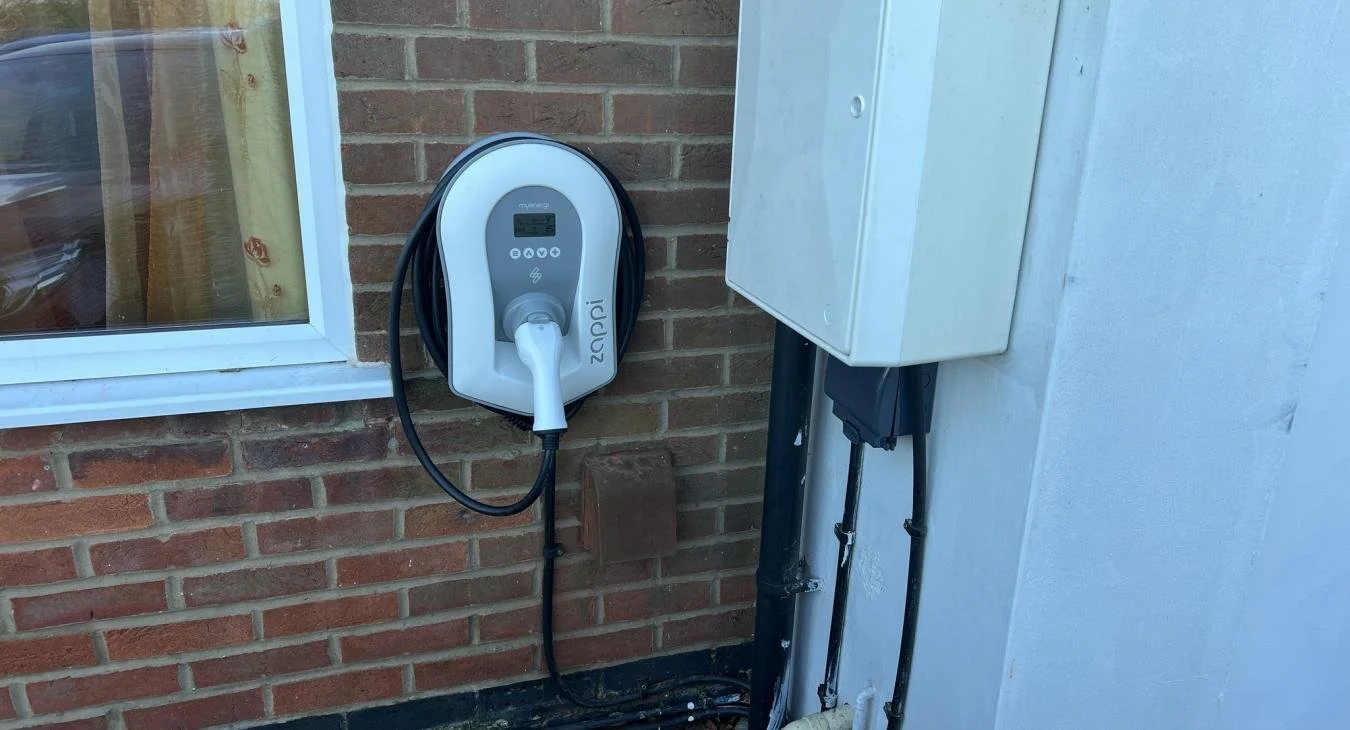
Electric vehicle · smart charging EV chargingA smart EV charger can be scheduled to charge your car overnight or from surplus solar, rather than the moment you get home.
-
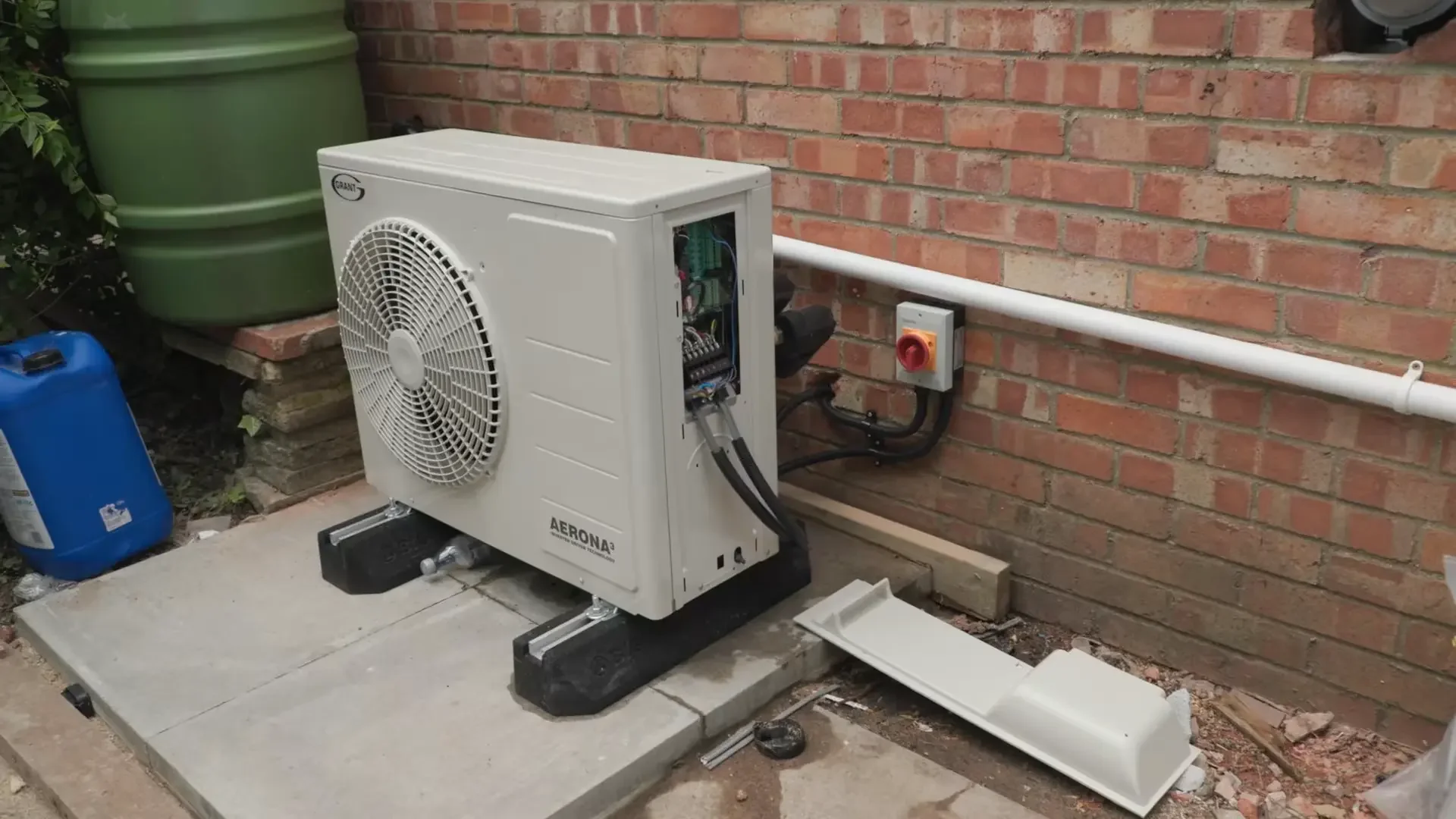
Air source heat pump · smart controls An air source heat pump with smart controls can warm your home in the cheaper hours before the evening peak. If you’re weighing up both, our guide to running a heat pump with solar panels explains how they work together.
Important: a flexible tariff isn’t right for every home. If most of your usage falls in the evening and you can’t shift it, you could pay more than on a flat rate. Our guide to smart tariffs with solar and batteries explains how to compare them.
What does this mean for homes in Devon, Cornwall and Somerset?
There’s a little short-term relief. Under the Ofgem price cap from 1 October to 31 December 2026, the average electricity unit rate for Direct Debit customers is 26.32p per kWh, with a standing charge of 54.83p per day. There’s also no VAT on household electricity from 1 October 2026 to 31 March 2027.
Note: these are Great Britain averages. Rates in the South-West differ slightly, and you can check your region on the Ofgem page.
But the VAT cut is temporary, and the IFS doesn’t expect prices to fall back any time soon. As report co-author Bobbie Upton put it, high electricity prices “look set to be with us for many years to come.”
That’s why the question is shifting from how much electricity you use to when you use it – and where it comes from. A flexible tariff, solar panels and battery storage tackle both. Every unit your solar panels generate is a unit you don’t buy. Every unit your battery supplies at 6pm is a unit you don’t buy at the most expensive time of day.
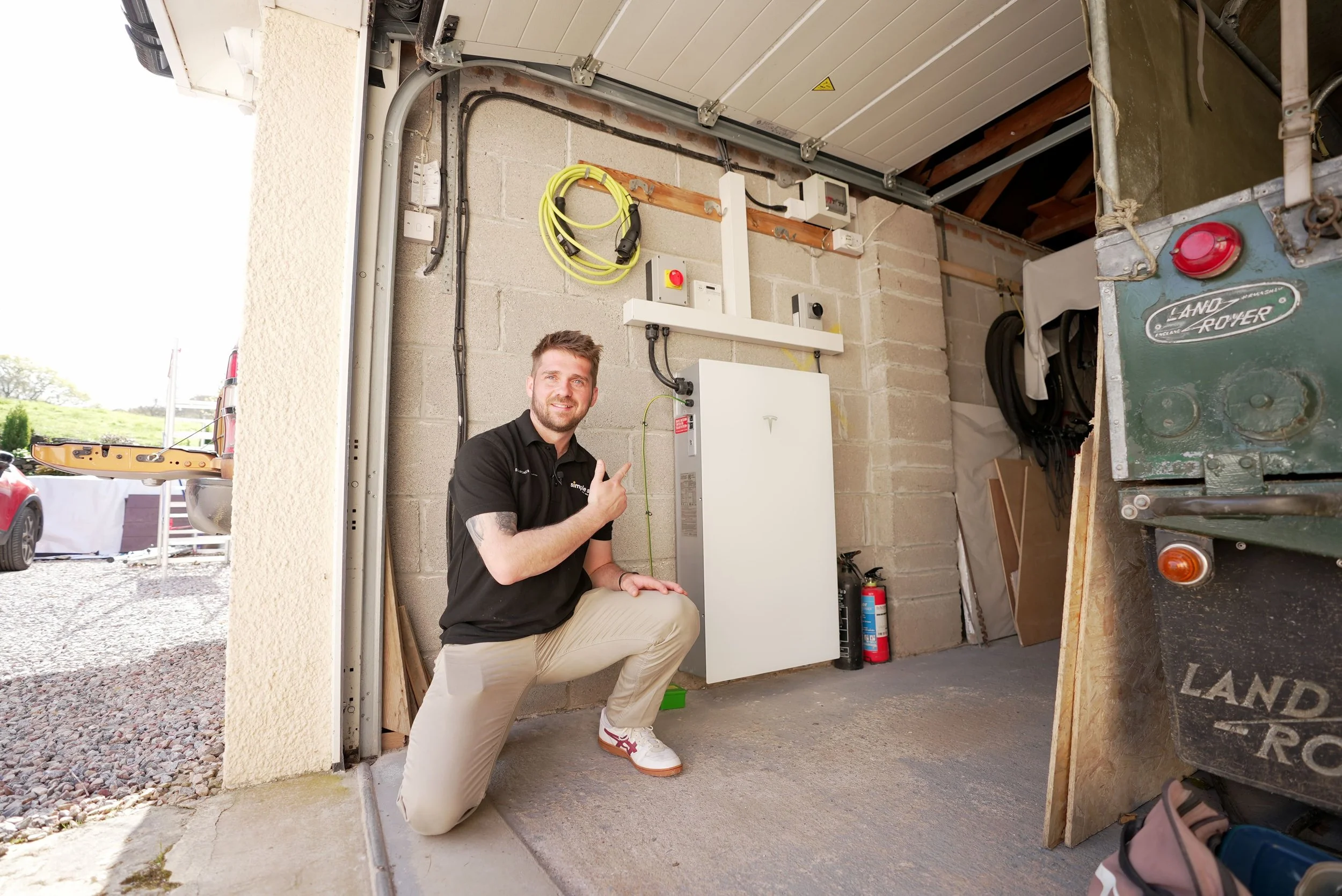
Dan Barnes, Director at Simple Solar, says: “Most of the calls we get start with the bill, not the technology. People are tired of watching the unit rate go up. A battery won’t change the price of electricity, but it does change when you buy it – and for a lot of homes, that’s where the saving is.”
Thinking about solar, a battery, or both?
We design and install solar panels, battery storage, EV chargers and air source heat pumps for homes across Devon, Cornwall and Somerset. We’re MCS certified, and we’ll size your system around how and when your household actually uses electricity.
- →Get a free, no-obligation quote
- £See how to spread the cost with finance through Phoenix Financial Consultants
- ?Find out how the process works