
MARTIN LEWIS’S JANUARY PRICE CAP WARNING – AND WHAT SOUTH-WEST HOMEOWNERS CAN DO ABOUT IT

Energy bills could rise by more than 20% in January, according to predictions aired on the latest Money Show.
Below we explore the implications for South-West homes and recommend measures you can take now to fend off the price rises.
THE KEY POINTS FROM THE SHOW
Martin Lewis opened his energy bills special with the warning nobody wanted to hear:
New predictions suggested the energy price cap would rise by over 20% in January 2027, on top of the 3.6% already confirmed for October.
The figure from two suppliers, EDF and E.ON, was 24%. As Martin put it, for every £1,000 you pay today, you would be paying £1,240 in the new year.
The Energy Secretary, pressed later in the same programme, put the likely rise at 18%. But Martin was pretty blunt: the cap is definitely going to rise in January, and probably substantially.
GAS UP NEARLY 9%.
ELECTRICITY UP LESS THAN 1%.
But we’ve got energy price rises to deal with already next month.
On 1 October the cap rises 3.6%, but the cap isn't a limit on your total bill. It's a limit on unit rates and standing charges. If you use more, you pay more.
If you look at the two fuels separately, they tell very different stories:
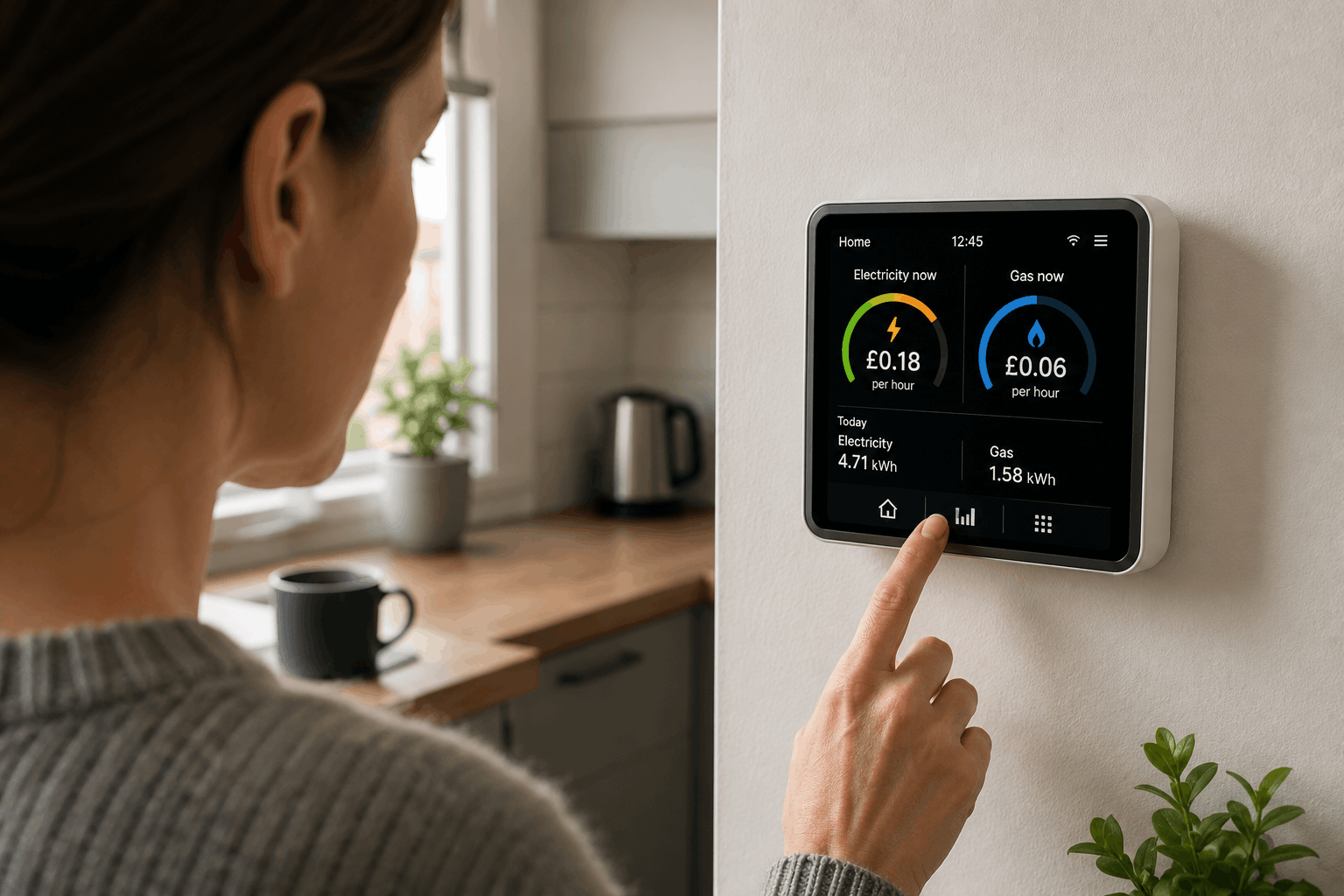
VERY DIFFERENT IMPACT.
SAME CAP. DIFFERENT STORY.
The headline rise is 3.6%, but the change looks very different when gas and electricity are separated.
Gas: unit rate up nearly 9%, standing charge up 2.2%.
Electricity: unit rate up less than 1%, standing charge down.
One reason electricity looks relatively tame is the temporary VAT cut.
From 1 October, domestic electricity in Great Britain is charged at 0% VAT instead of 5% – a temporary cut HMRC has confirmed runs to 31 March 2027, worth roughly £45 a year to a typical household.
Gas didn't get the same VAT treatment, and the show flagged that as a deliberate policy choice rather than an oversight.
WHY ELECTRICITY IS PRICED THE WAY IT IS
Martin’s point was simple: gas is relatively cheap, while electricity is expensive.
And that price gap affects the running-cost comparison between gas boilers and electric heat pumps.
RENEWABLES
POWER
PRICE
Gas-fired power stations often set the wholesale electricity price.
More power now comes from cheaper renewables, but the wholesale price can still be set by gas-fired generation.
HEAT PUMP ECONOMICS
Reducing the gap would improve the economics of heat pumps further and strengthen the case for moving homes away from fossil-fuel heating.
GAS CAN SET THE PRICE
Part of the problem is how the electricity market works. Gas-fired power stations often set the wholesale electricity price, even though more of our power now comes from cheaper renewables.
MANAGING THE GRID
There are also costs associated with managing the grid. When electricity cannot be moved efficiently from where it is generated to where it is needed, the system operator may have to pay some generators to switch off and others to switch on.
THE PART OF THE BILL A HOME CAN ACTUALLY CONTROL
Some costs are fixed by the market. Others give your home room to act.
| 01 What's on your bill | 02 Who sets it | 03 What a South-West home can do |
|---|---|---|
|
Variable
Unit rates
|
Ofgem's cap, then your supplier |
Generate your own electricity with solar panels, store it in a battery, buy the rest in an off-peak window. |
|
Fixed daily cost
Standing charges
|
Ofgem's cap and network costs |
You can’t reduce a standing charge by using less energy – it’s charged daily regardless of consumption. Fixed |
|
Home system
Heating
|
Gas, oil or electricity |
A well-designed air source heat pump can typically deliver around three to four units of heat for each unit of electricity it uses. Air source heat pumps ↗ |
|
Income
Export income via the Smart Export Guarantee (SEG)
|
Your supplier's export tariff |
Shop around for the best deal. The SEG actually creates an energy income for you, rather than a cost. Energy out → income in |

GENERATE MORE.
Standing charges got a segment of their own on Martin’s show, and it’s not surprising why.
One audience member said they were 70% of her bill.
Another called them a moral hazard.
Martin has campaigned on them for three years and expects the picture to look different within a year. Until then, they are the one part of the bill that no amount of solar can shift.
MARTIN'S 10% RULE FOR SOLAR OWNERS, EXPLAINED
If you already have solar panels, Martin’s advice comes down to one simple comparison: how much electricity you buy from the grid and how much you export.

YOU BUY WITH
WHAT YOU EXPORT.
Look at your annual figures. If you buy 3,000 kWh of electricity from the grid and export more than 300 kWh, your exports are above Martin’s 10% threshold.
CHECK WHICH SIDE OF 10% YOU'RE ON.
EXPORT RATE MATTERS MORE
In that case, a tariff offering a higher export rate could leave you better off overall, even if the electricity you buy costs slightly more.
IMPORT PRICE MATTERS MORE
If you export less than 300 kWh, the price you pay for electricity is usually more important. Focus on finding a low-cost supply tariff, then choose the best compatible Smart Export Guarantee (SEG) rate.
DON'T JUDGE A TARIFF ON ONE RATE.
The 10% figure is only a guide. To compare deals properly, estimate what you would pay for electricity over a year, subtract your expected export payments, and choose the deal with the lowest overall cost.
HEAT PUMPS WORK BEST WITH SOLAR AND BATTERY STORAGE
Instead of burning fuel like gas or oil, an air source heat pump moves heat from outside your property to inside, and typically produces around three to four units of heat for each unit of electricity used.
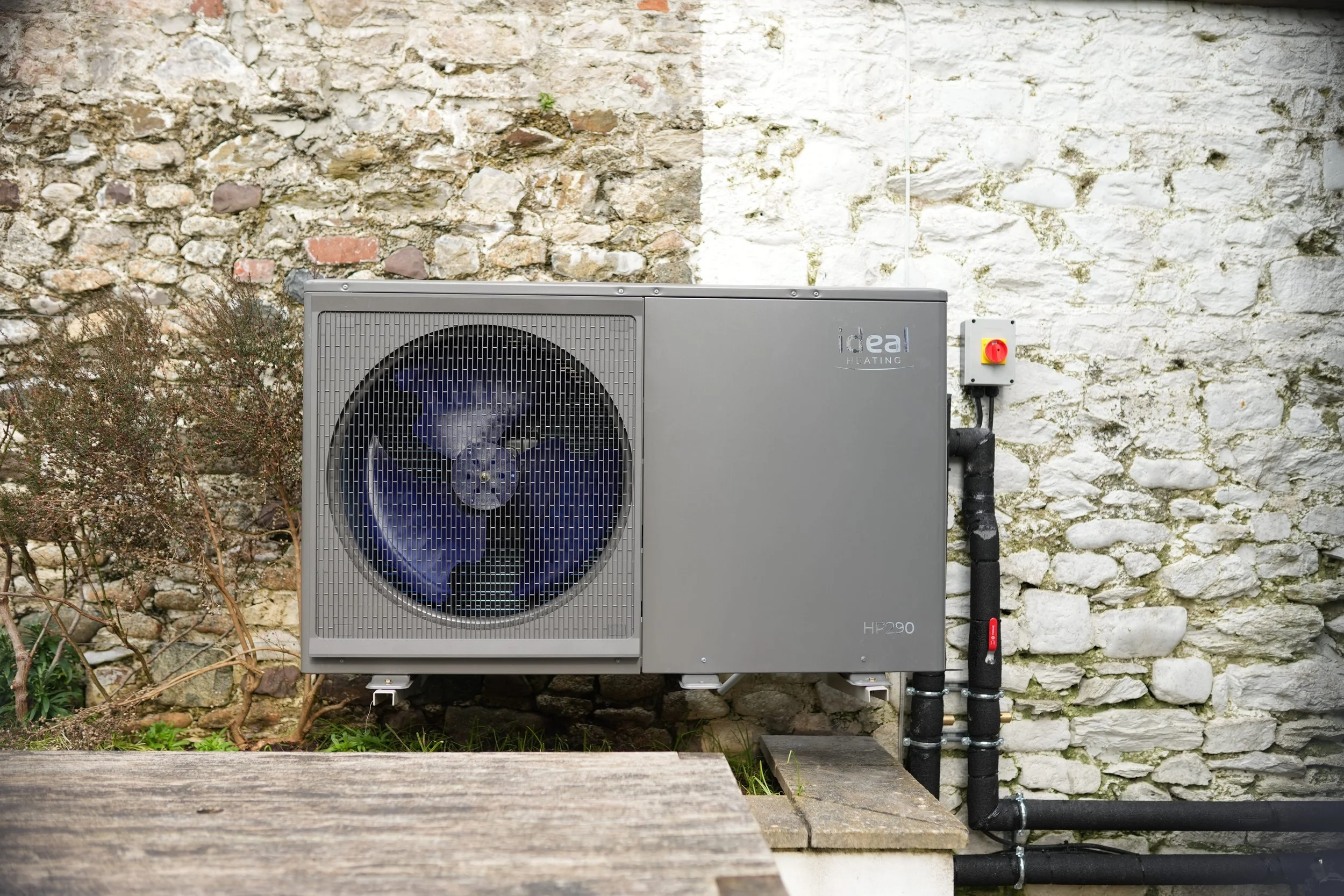
DON'T BURN FUEL.
1 UNIT IN.
3–4 UNITS OF HEAT OUT.
That efficiency is why the running-cost comparison between fossil fuel and electricity can be much closer than the raw electricity prices alone might suggest.
MOVE ENERGY TO CHEAPER HOURS.
How the system is powered can make a significant difference to running costs. A smart heat-pump tariff can run the heat pump and heat the hot-water cylinder during cheaper off-peak hours. The cylinder stores that heat for later, reducing the amount of full-price electricity needed during the day.
HEAT PUMP + SOLAR + BATTERY
Put together, the heat pump, solar panels and battery act as one system: the heat pump uses electricity efficiently, the panels generate part of that electricity, and the battery shifts cheaper energy to the times it is needed.
SOLAR
Solar panels can lower costs even further by supplying some of the heat pump’s electricity directly. In spring and autumn, when heating is still needed and solar generation is useful, the two technologies work particularly well together.
BATTERY
A battery can store spare solar power – or cheaper off-peak electricity – for the evening, when demand is often highest.
HEAT PUMP
The heat pump turns that electricity into useful heat efficiently.
This can reduce reliance on peak-rate electricity and make household energy costs more predictable.
THE SYSTEM HAS TO FIT THE HOME.
Good design is essential. The heat pump must be correctly sized, with suitable radiators, hot-water storage and tariff.
UPFRONT SUPPORT.
The Boiler Upgrade Scheme reduces the upfront cost significantly: most eligible homes can receive £7,500 towards an air-to-water or ground source heat pump, rising to £9,000 until 31 March 2027 for eligible off-gas-grid homes replacing oil or LPG heating.
A proper home survey should show the likely grant, running costs and savings before you commit.
THREE DEADLINES LAND ON 31 MARCH 2027
Three energy changes arrive on the same date. But only two are decisions a homeowner can act on before the deadline.
31.03.27
VAT support and the enhanced off-gas heat pump grant all meet at the end of March.
ELECTRICITY VAT CUT
The electricity VAT cut runs out on that date.
0% INSTALLATION VAT ENDS
So does the 0% VAT rate on installing solar panels, battery storage and heat pumps, which reverts to 5% on 1 April 2027.
£9,000 GRANT WINDOW CLOSES
And the £9,000 off-gas heat pump grant window closes the same day, back to the standard £7,500.
THREE DATES COINCIDE.
ONLY TWO ARE IN YOUR CONTROL.
We've written about the VAT change and what it covers in more detail. All three dates coincide, but only the last two are within a homeowner’s control.
See exactly when the 0% VAT period ends and what solar, battery and heat-pump installations it covers.
WHAT TO DO THIS WEEK
Four practical checks you can make now — from your current export rate and tariff to the numbers for your whole home.
CHECK YOUR SEG EXPORT RATE.
If you own solar panels, find out what you're being paid and when your rate last changed.
What are you being paid?
When did your rate last change?
RING YOUR COUNCIL.
If you heat with oil, ring your council about any heating oil support that might be available before the winter demand hits.
SUPPORT
DON'T FIX YOUR TARIFF BLIND.
Martin's advice on fixes was that the cheapest on the market sit slightly above today's cap but below October's, and that fixing is the risk-averse move if you want certainty. Compare across the whole market, not just your own supplier, and use the "show all tariffs" toggle.
GET THE NUMBERS FOR YOUR OWN HOME.
If you’re weighing up a heat pump, solar or a battery, consider having them priced together as a whole-home system. That lets you see how solar generation, battery storage, heating demand and electricity tariffs could work together.
Solar can generate part of the electricity your home needs instead of buying every unit from the grid.
A free home survey gives you a fixed quote sized to your roof, your usage and your heating. No obligation, no pushy sales.
THE BOTTOM LINE.
You can't control the price of gas on the other side of the world, how a half-hourly market clears, or a standing charge you pay whether you use anything or not.
What you can control, on the other hand, is how many units of electricity your home buys over the next 20 years, and when it buys them, by upgrading your home with smart energy technologies.

CONTROL MORE.
That's the difference between watching the price cap and energy rises with a feeling of helplessness, and taking control of your energy destiny.
ARRANGE YOUR FREE HOME SURVEY NOW.
Arrange your free home survey now. It takes 60 seconds.
